

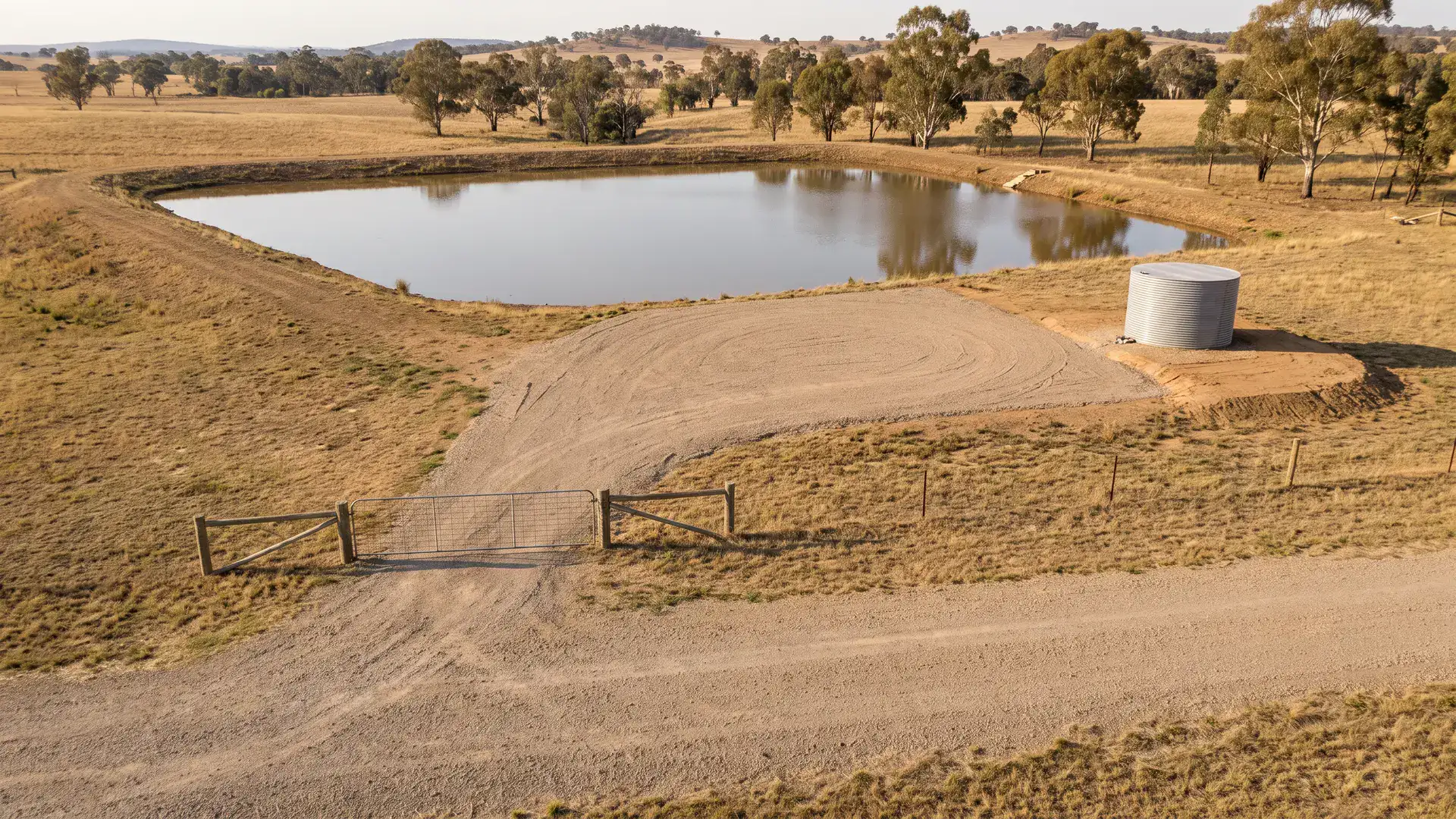
Farm dam bushfire water supply needs reliable summer water, safe access and suitable connections. Plan a practical site assessment with Big Ditch.
Author Archives: Lindsey Angus Hughson
Dam Building
A Beginner’s Guide To Building Your First Earth Dam
Short answer: Building your first earth dam involves selecting a suitable site with impermeable soil, ...
Continue reading
Dam Building
Roy Hill Project: Delivering A Major Dam In Mining Country
Short answer: The Roy Hill project involved constructing a major water storage dam in the ...
Continue reading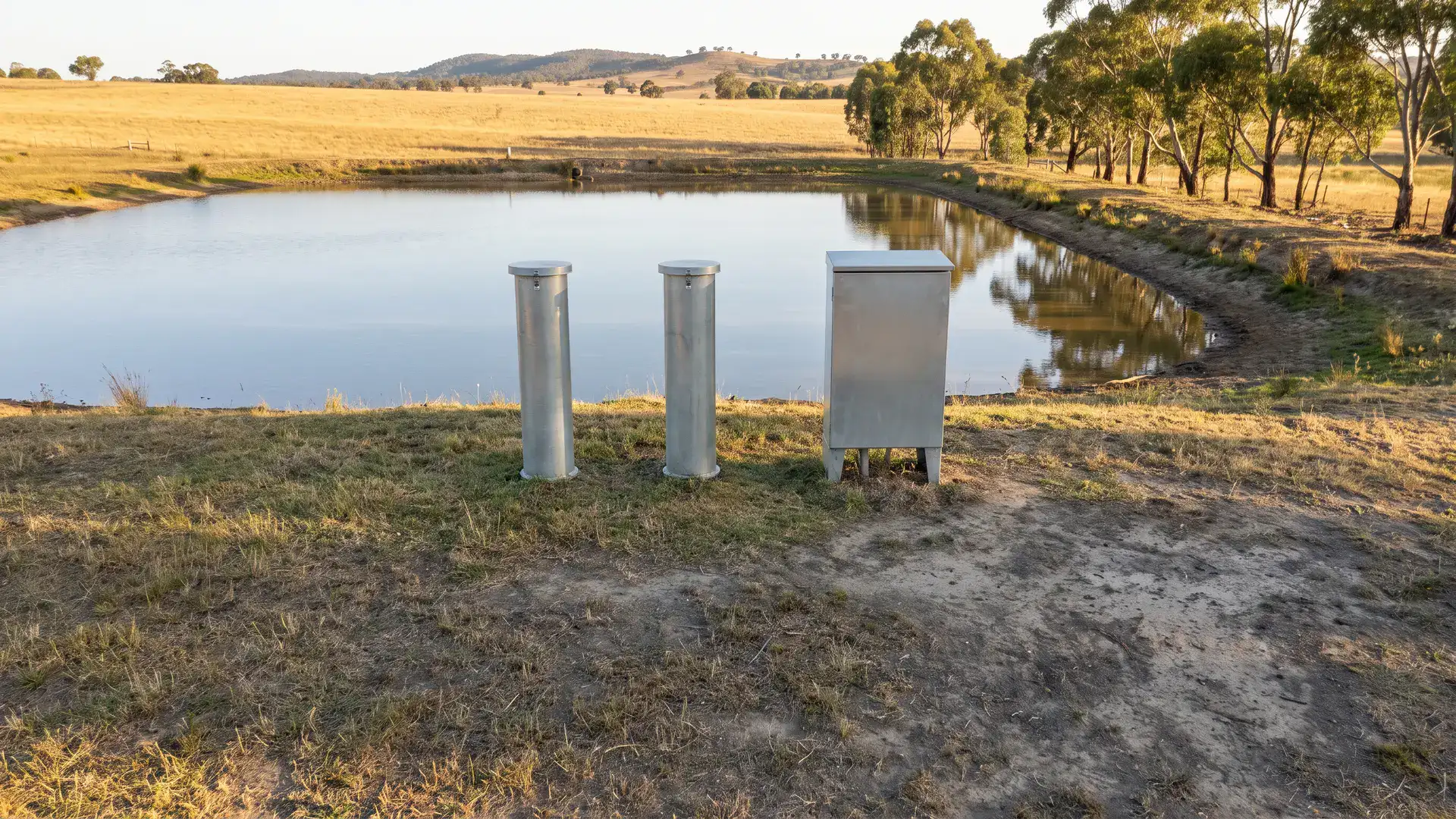
Dam wall monitoring instruments reveal pressure and movement trends. Compare piezometers and plan a site-specific assessment with Big Ditch.
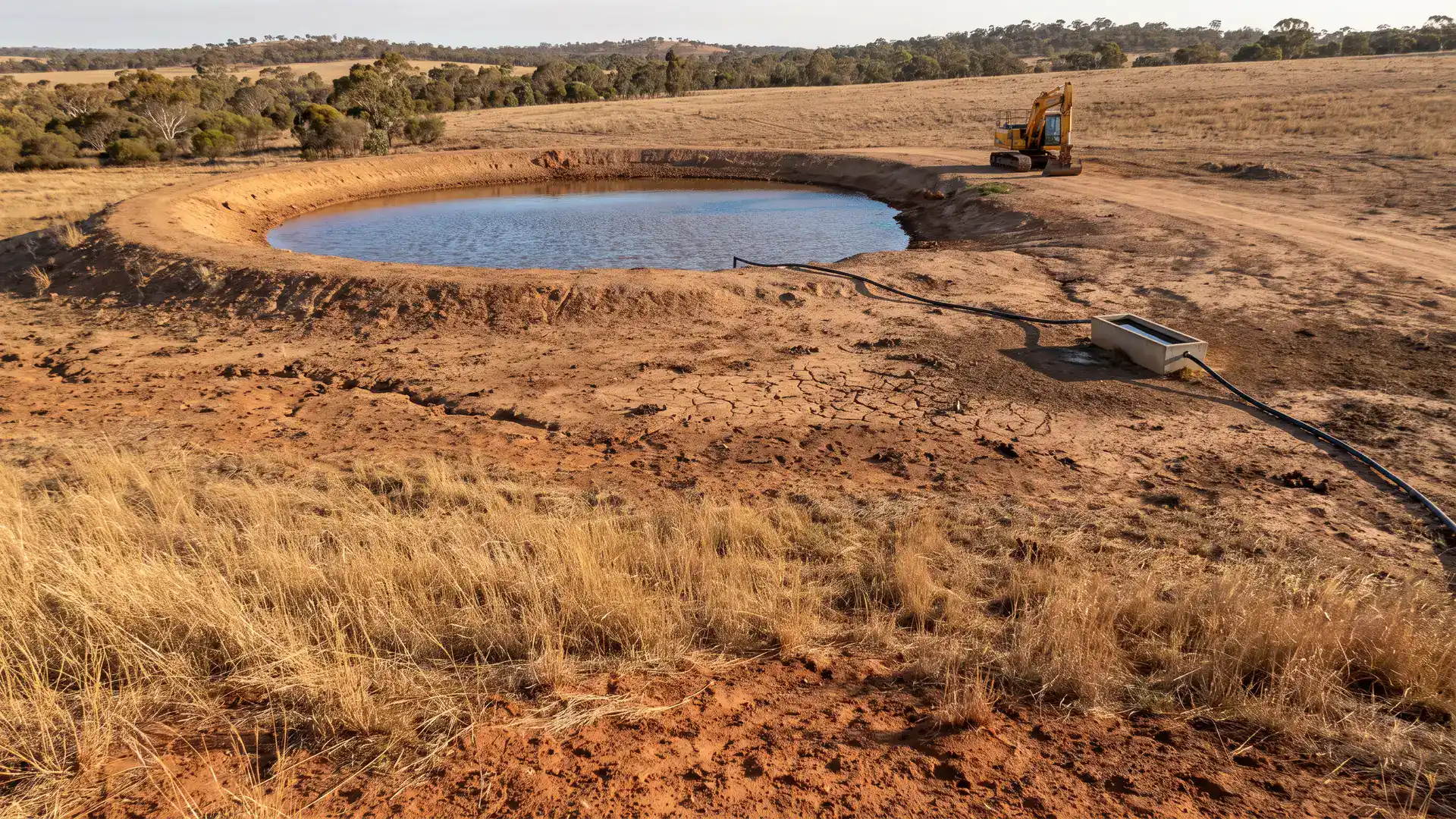
Farm dam grants finance eligible works, not every bill. Compare Queensland grants and NSW loans, then plan your dam scope with Big Ditch.
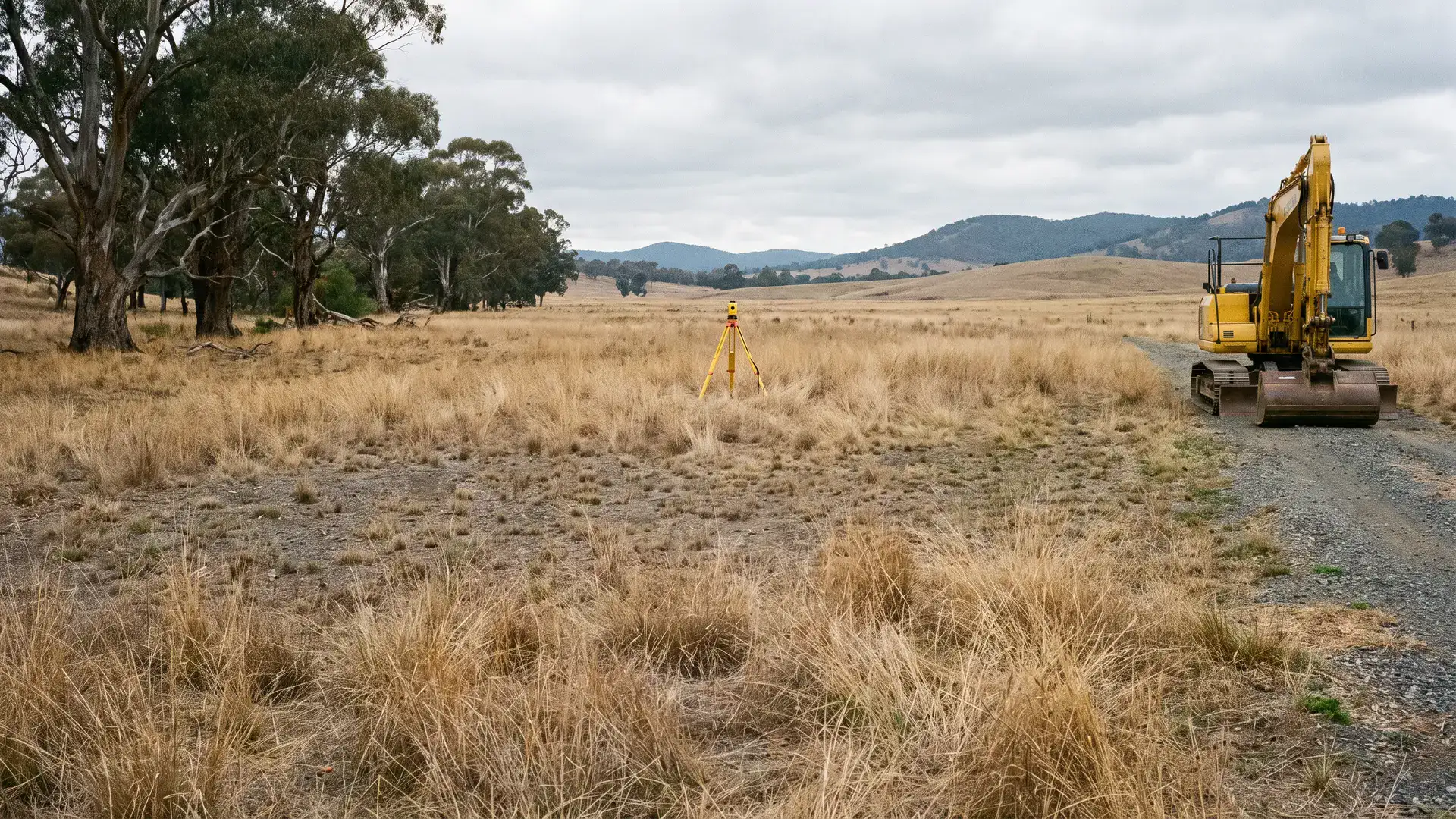
Aboriginal heritage assessment dam owners need before digging: check NSW and Queensland duties, records and work areas. Plan your site visit with Big Ditch.
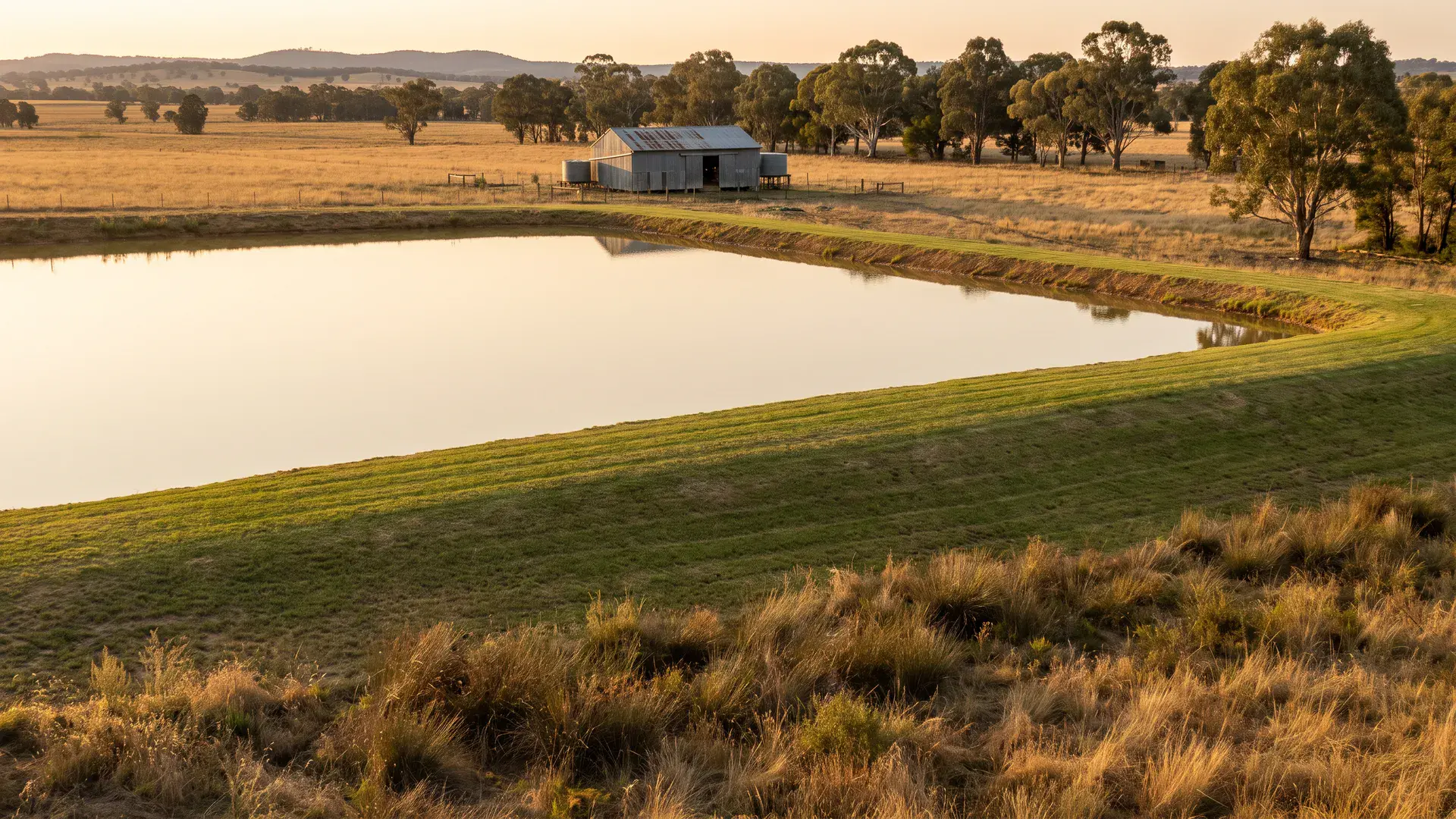
Does a dam add value to property? Check water reliability, condition and sale evidence before investing. Plan a site inspection with Big Ditch.
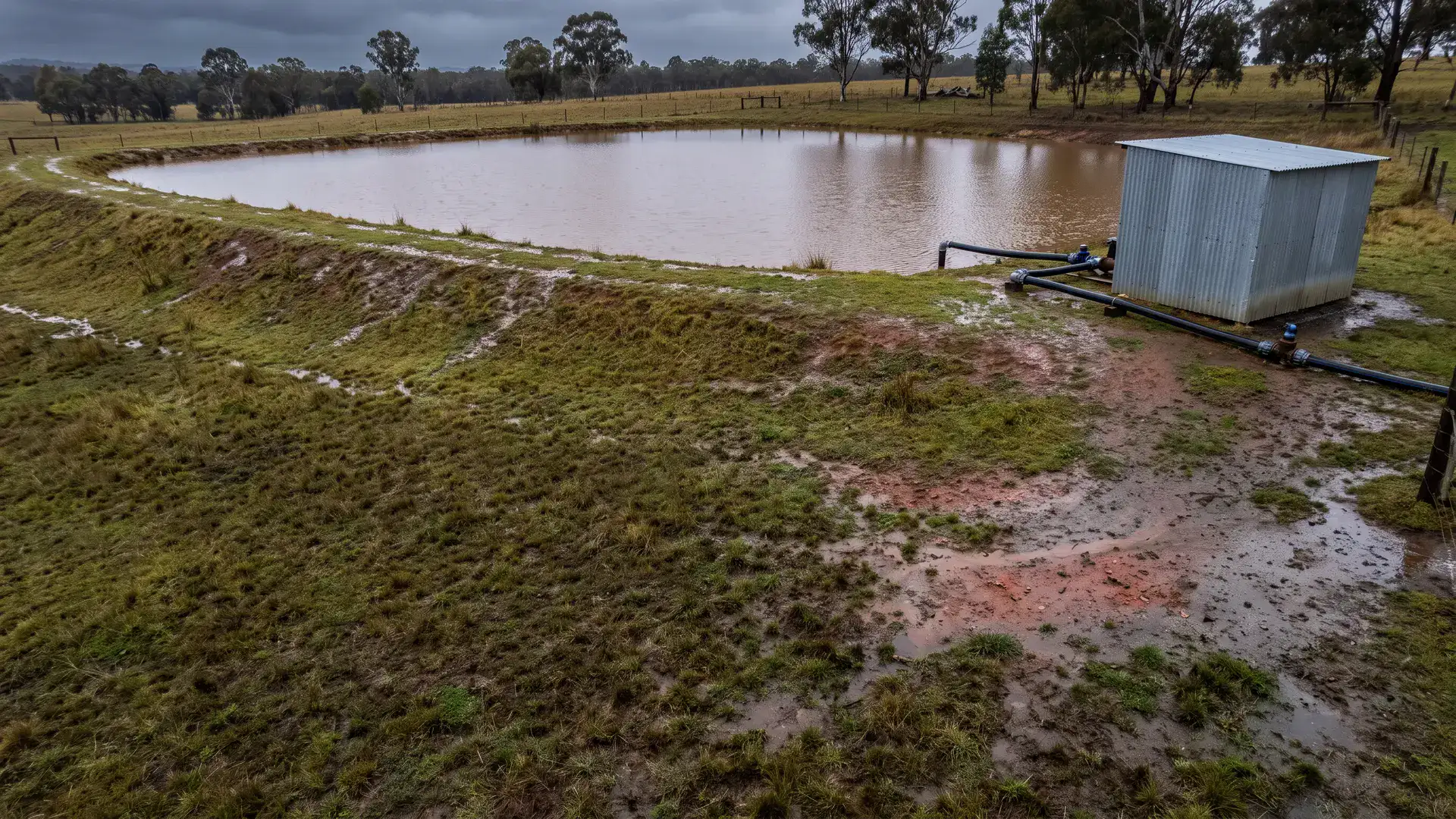
Farm dam insurance may exclude the wall, water or flood damage. Check policy wording, document the site and plan a dam inspection with Big Ditch.
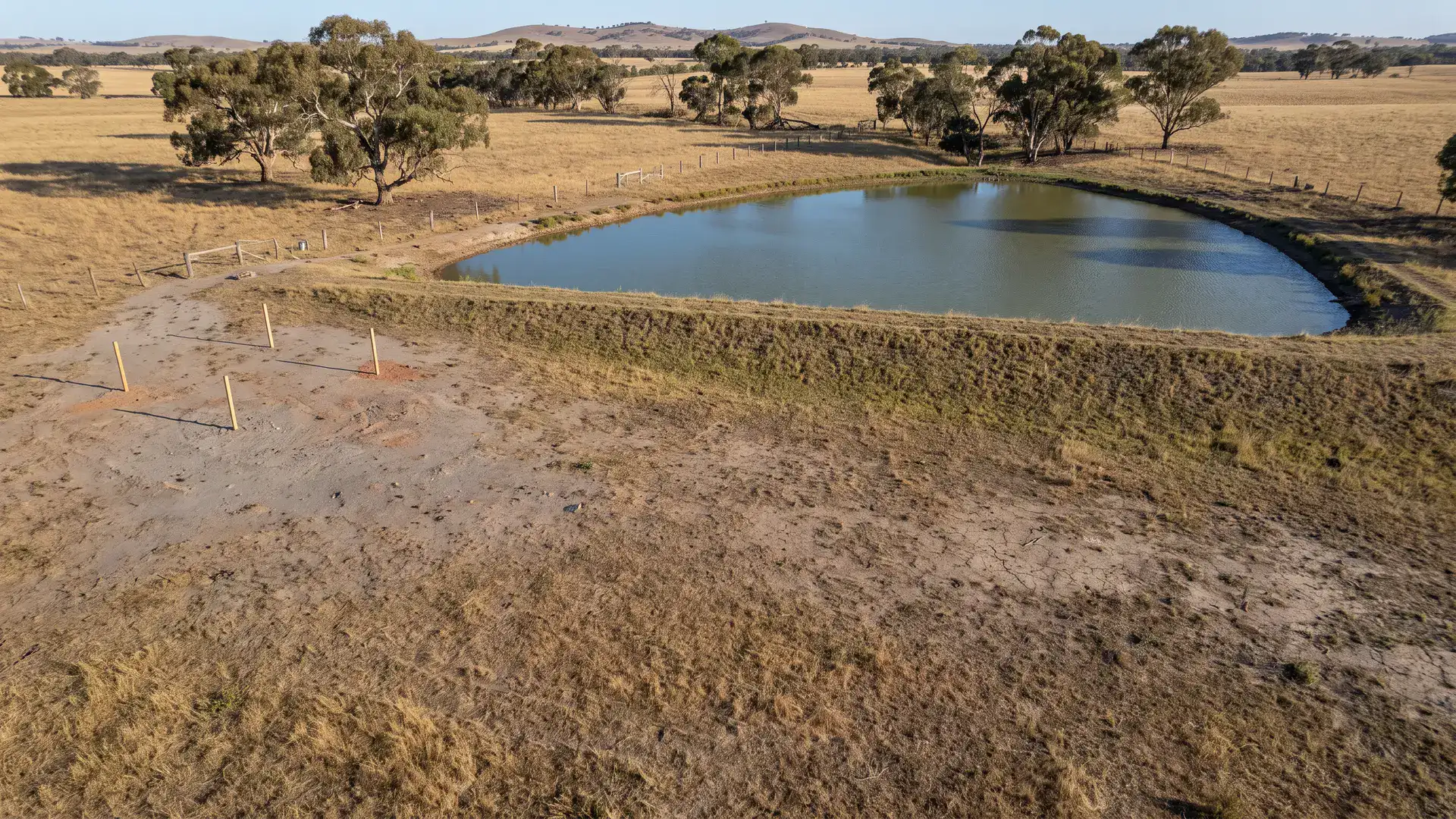
Farm dam permit South Australia rules vary by region, dam size and water use. Check approvals and plan your site assessment with Big Ditch.
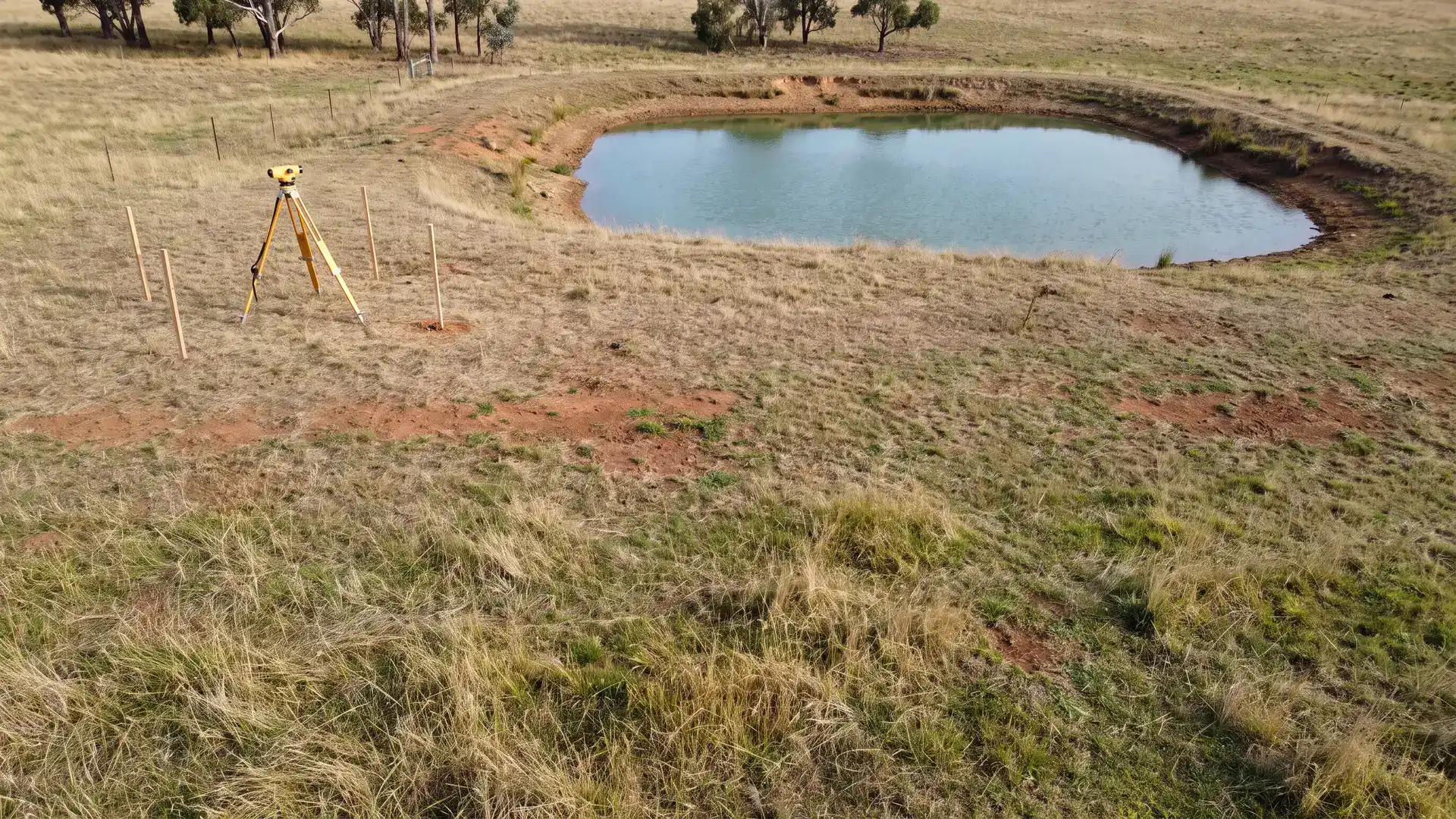
Farm dam permit Victoria checks cover water use, dam works and planning exemptions. Confirm your requirements before booking a Big Ditch site inspection.
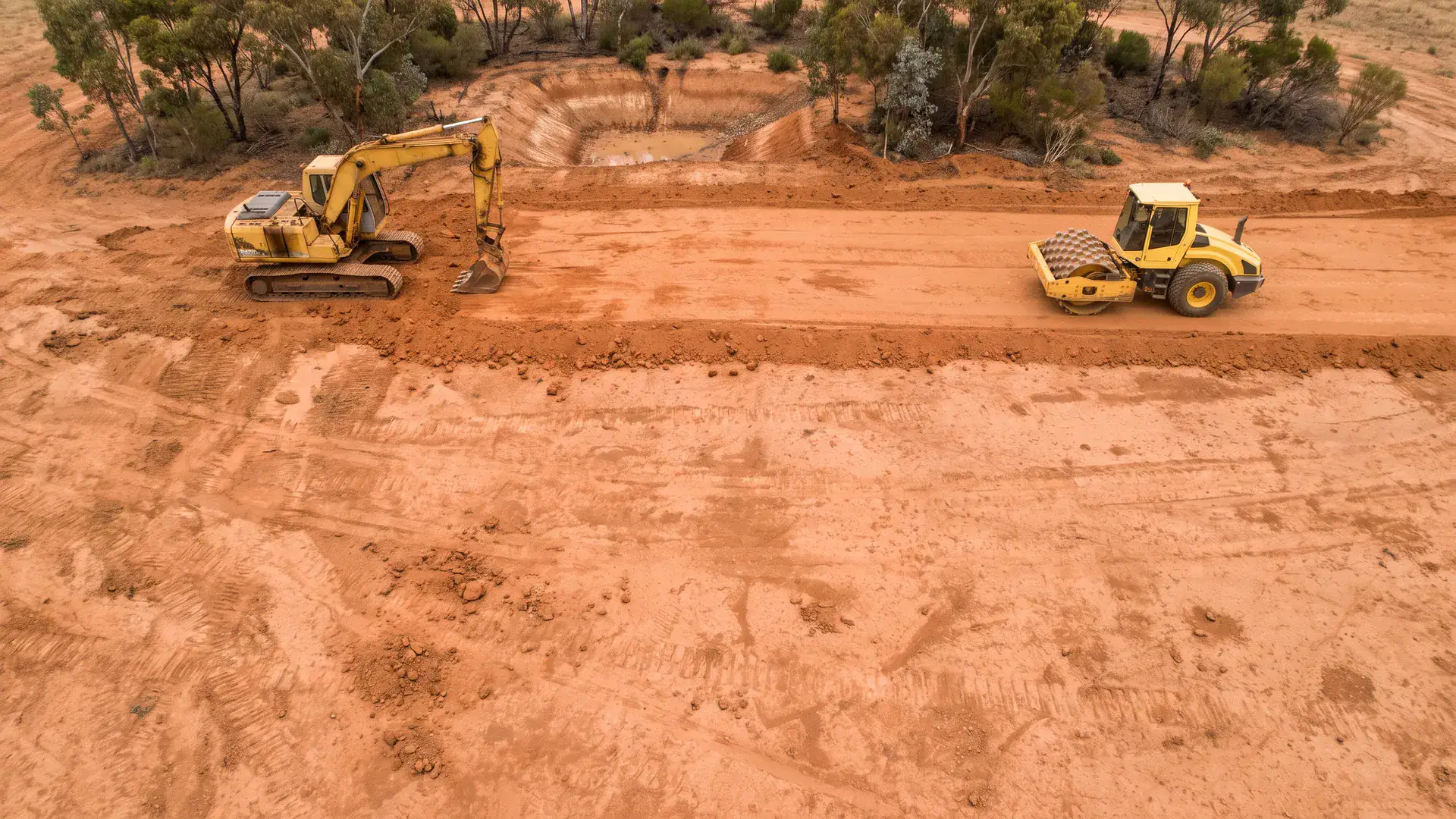
Farm dam building equipment must dig, move, spread and compact suitable soil. Compare machine roles and plan your construction with a Big Ditch site inspection.
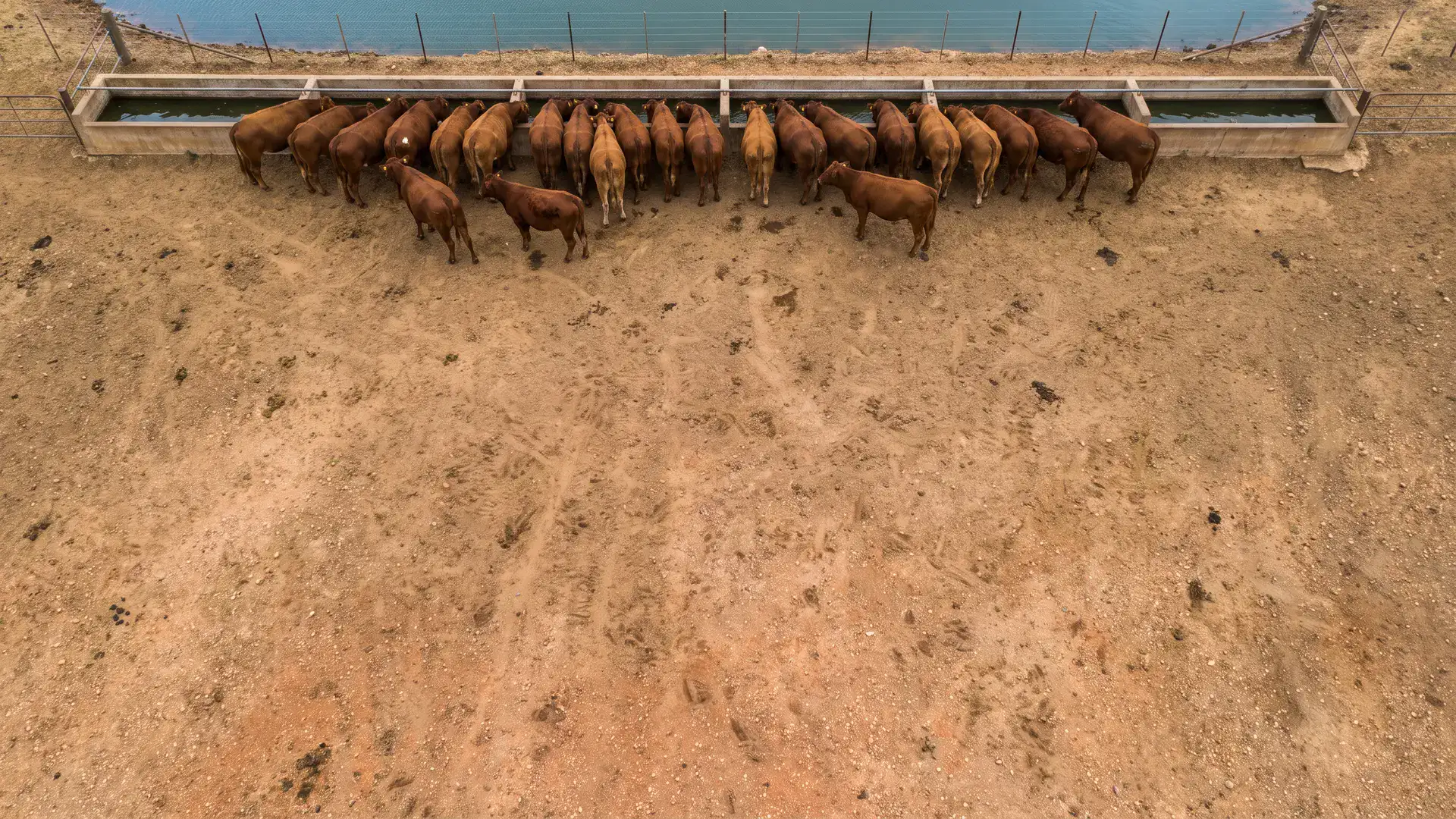
Livestock access to dams needs reliable troughs or controlled drinking points. Protect the wall and plan your water supply with a Big Ditch site inspection.
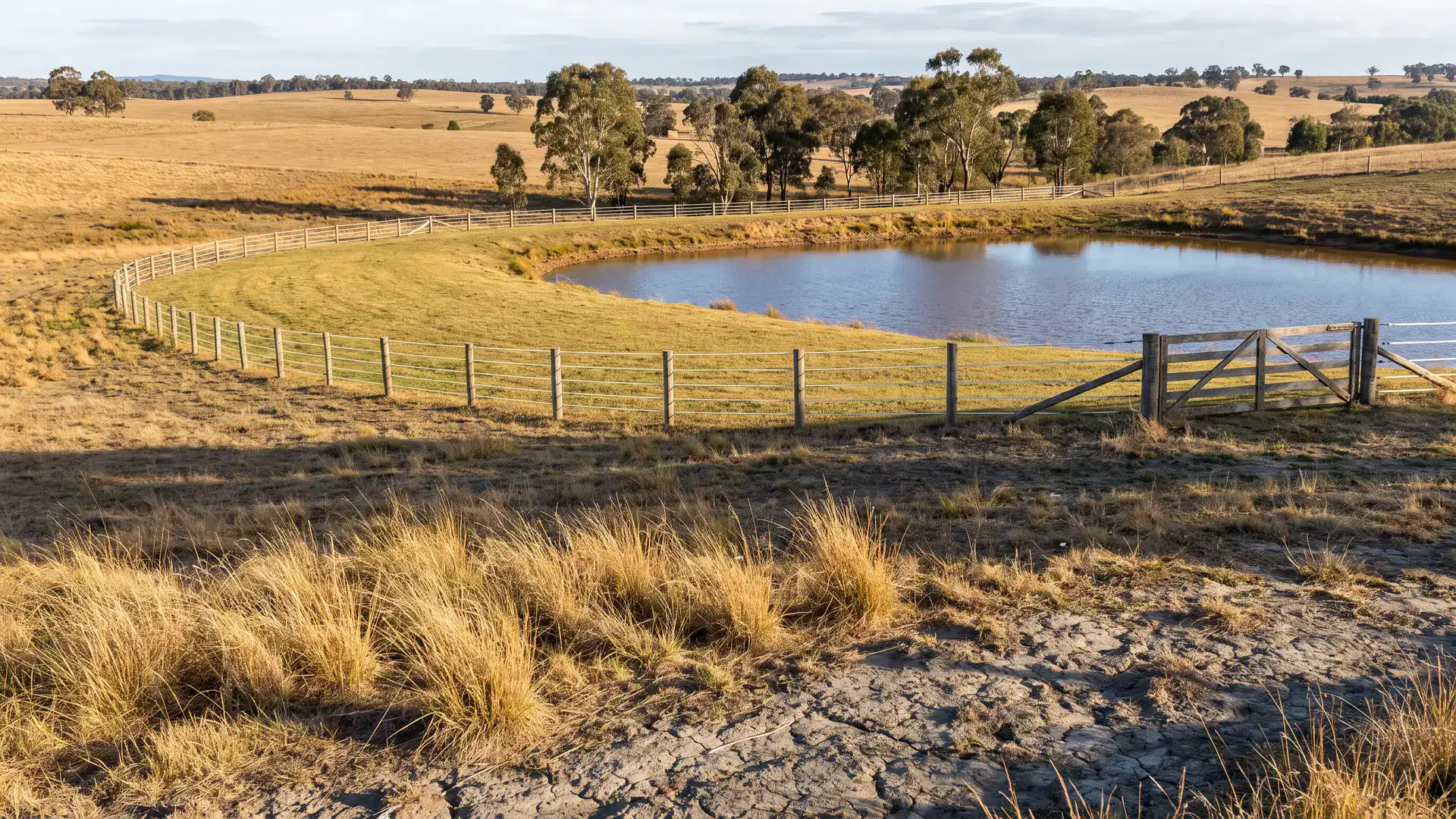
Farm dam fencing needs more than stock wire. Understand safety barriers, access and NSW legal checks, then plan your site inspection with Big Ditch.
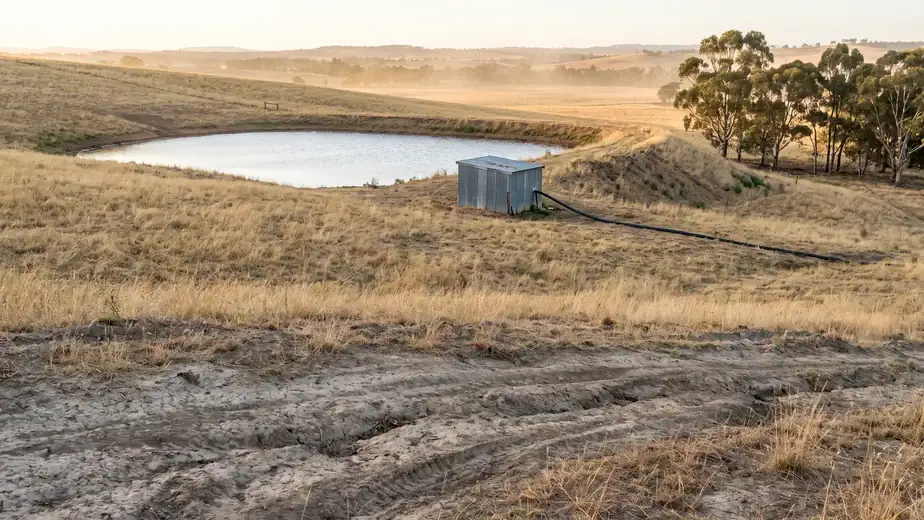
Farm dam hydro power needs dependable flow and usable head. Check output, water demand and dam safety before investing. Book a Big Ditch site inspection.
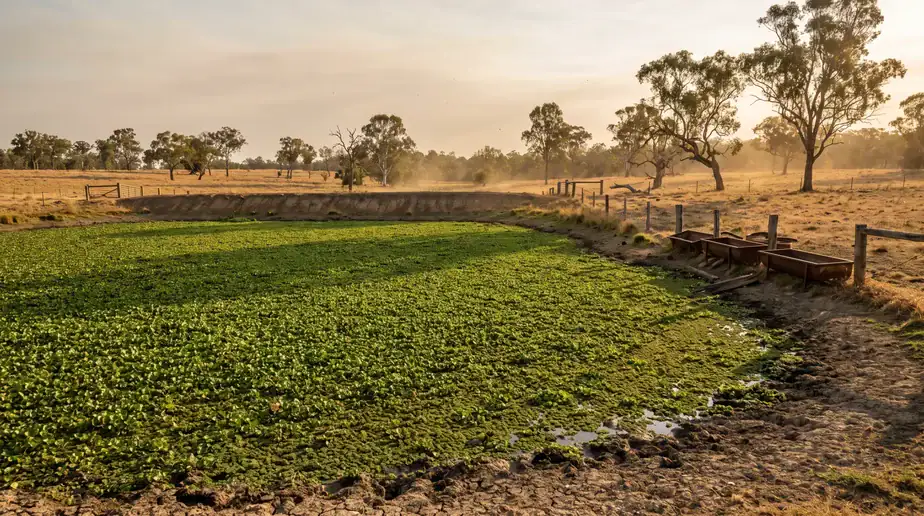
Dam weed removal starts with identifying the species. Cumbungi, hyacinth, salvinia or azolla all need different treatments. Practical methods, costs and prevention from Big Ditch.
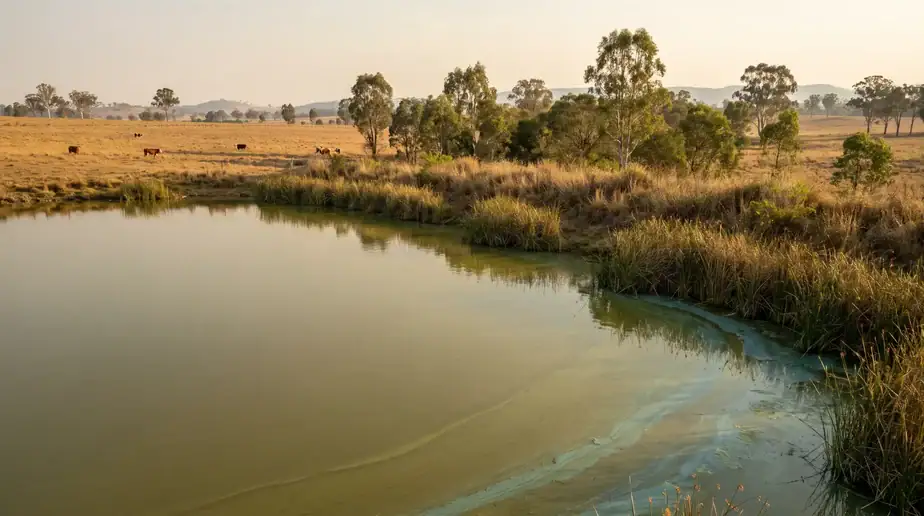
Blue-green algae in farm dams can threaten stock. Learn the causes, warning signs, testing steps and practical prevention for Australian properties.
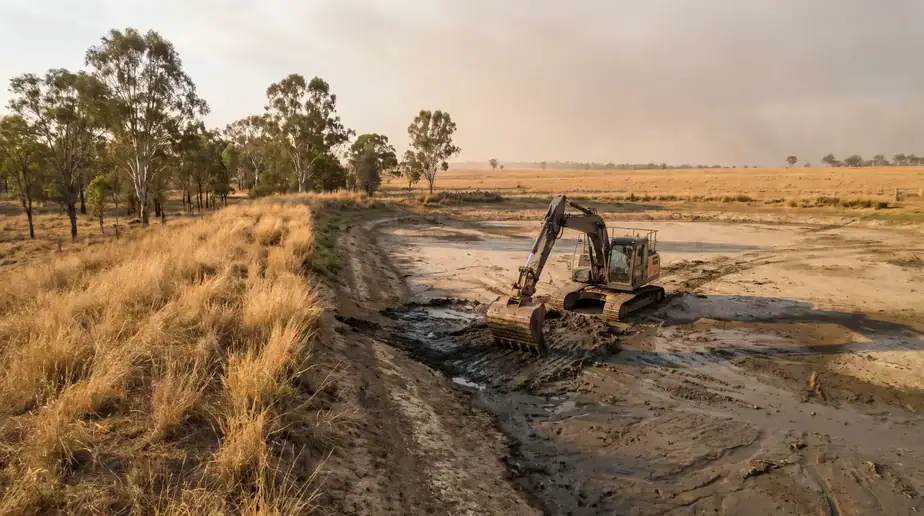
Learn how to clean out a silted-up farm dam, compare desilting options and costs, and stop sediment returning after the next storm.
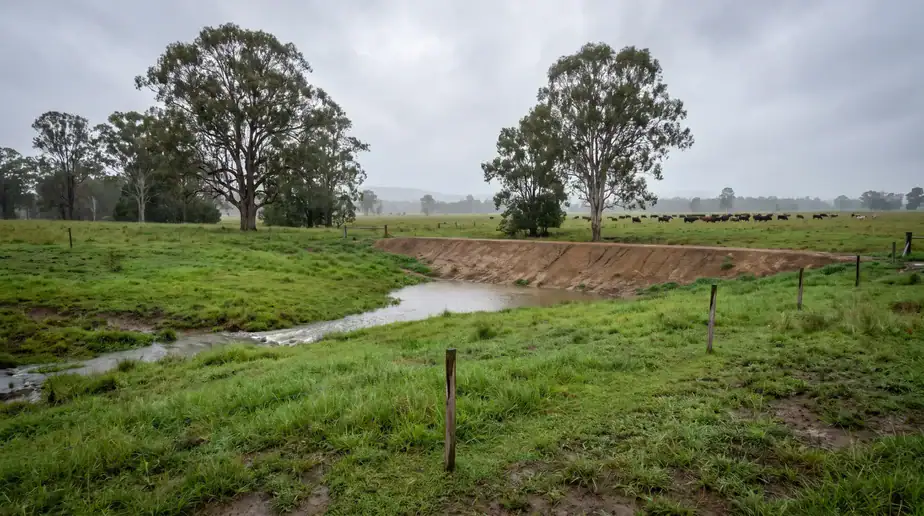
Farm dam water licence Queensland rules explained, including water sources, approvals and safety checks to complete before digging.
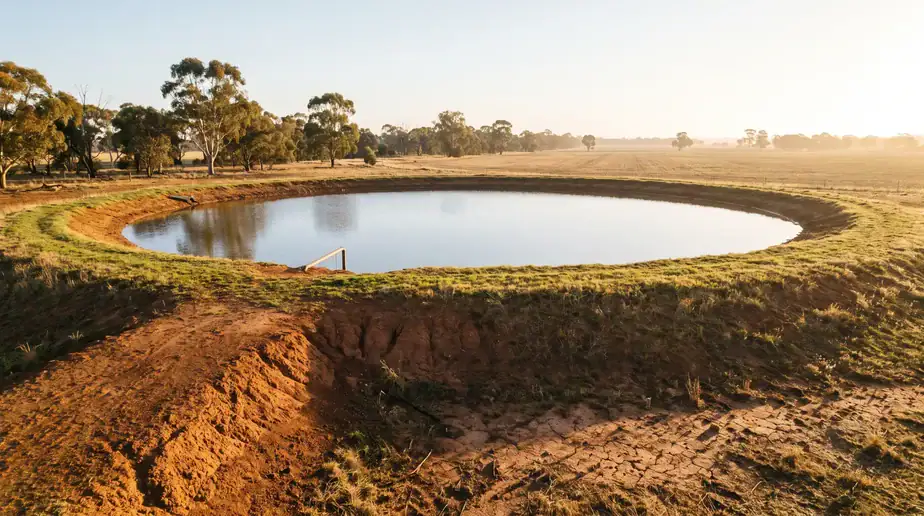
Turkeys nest dam vs ringtank: compare sites, soils, safety, costs and water uses before you build raised farm storage.
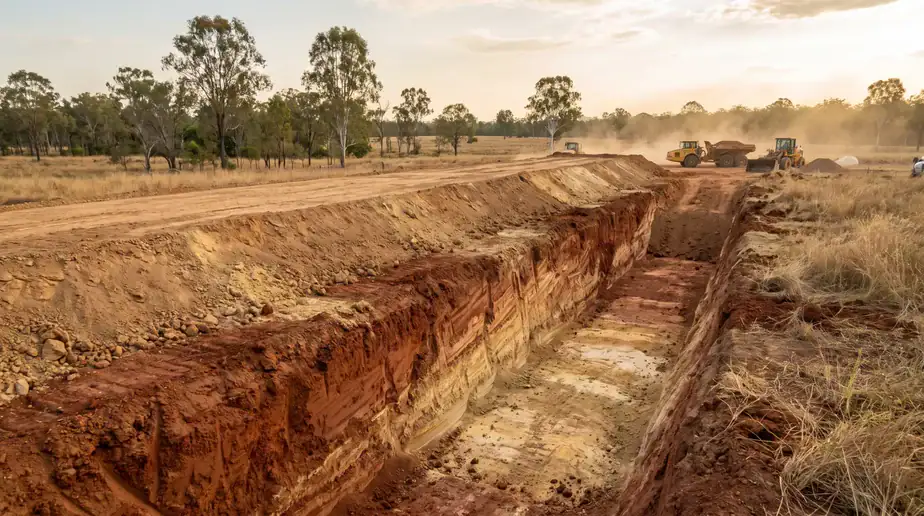
What is a keyway in dam construction? Learn how this compacted cut-off trench controls seepage, strengthens earth walls and protects farm dam projects.

Stocking a farm dam with fish? Australian guide covering dam size, species by state, permits, acclimation and 70% survival maths from NSW DPI.

How long to build a farm dam? Real Australian timelines, what causes delays, and how to speed it up without cutting corners.

Farm dam water quality is measured by turbidity, algae, pH, DO and salinity. Diagnose, fix and monitor Australian farm dam water — Big Ditch’s field playbook.

Building a dam on rocky ground? Here’s when it works, when it leaks, and the practical fixes we use on QLD & NSW properties.

Dam repair Australia guide covering every failure mode, repair method, cost range and regulatory requirement. Expert insight from Big Ditch.

Bentonite dam sealing uses swelling clay to permanently stop leaks in farm dams. Application rates, methods, costs, and soil compatibility explained by Big Ditch.

Dam batter slopes like 3:1 and 2.5:1 explained in plain English, with practical rules of thumb and when to go flatter.

Muddy dam water won’t clear because fine clay colloids electrostatically repel. Gypsum at 100–200 g/m² flocculates them. Diagnostic guide + 5 fixes.

Farm dam construction in Australia: six stages, real costs from $5,000 to $12,000 per megalitre + GST, timelines, soil specs, and how to avoid the wall failures that cost five-figure rebuilds.

Uncategorized
How Deep Should a Farm Dam Be?
How deep should a farm dam be in Australia? Most stock dams need 3–5 m. Learn why depth cuts evaporation, improves water quality, and keeps cattle safe.

Dam freeboard is the critical safety buffer on your farm dam — here is what it means, how much you need, and what happens when it runs out. Get the real numbers.

Short answer: To fix a leaking dam, first work out whether the loss is evaporation or seepage, then match the repair to your soil. The four proven methods are compacting a clay blanket, laying a bentonite blanket, applying gypsum to dispersive clay, and installing an HDPE or polypropylene liner. Cost rises in that order, and …

Short answer: The best location for a farm dam is a natural low point or gully in your landscape that collects runoff from a large catchment area, built on soil with a high clay content. You want the site to hold water, fill reliably from rain, and be accessible for livestock and maintenance — all …
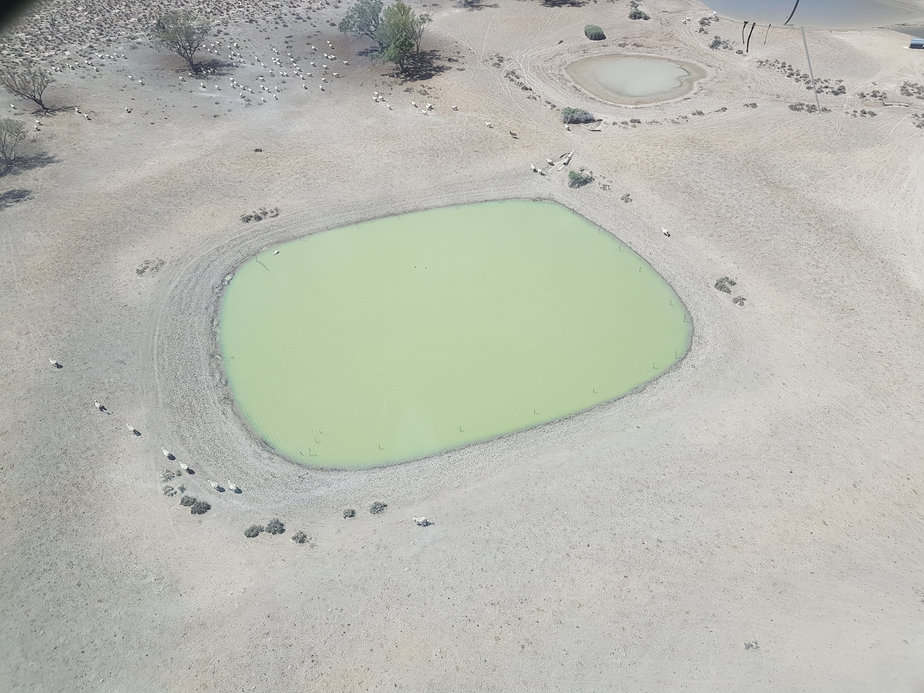
Short answer: A failing dam wall gives you warning signs before it gives way. Watch for seepage, cracks, slumping, or animal burrows in the wall. If you spot any of these, get someone on-site before the next rain event. I’ve spent years building and repairing earthen dams across Queensland and New South Wales, and the …

Waterproof a dam naturally using good clay, proper compaction, and bentonite where needed. Here’s how to stop leaks without plastic liners.

Wondering if you need council approval to build a farm dam in NSW? This beginner’s guide explains the rules, exemptions, and when you need formal approval — in plain English.

Short answer: A leaking dam loses water through a specific failure point in the wall or base — a crack, burrow, or pipe joint. A seeping dam allows water to slowly permeate through the embankment material itself, which is often normal at low levels but becomes a problem when the flow rate increases. Knowing which …

Earth dam compaction: avoid thick lifts, wrong moisture and the wrong roller. My practical lift, moisture and pass targets for tight dam walls.

Short answer: Big Ditch Aquatecture has received legal threats from Polymer Innovations regarding our honest assessment of their dam sealing products, and we are responding with full transparency about our position. We stand behind the accuracy and integrity of our content, which is based on real-world dam building experience and genuine customer outcomes. Our commitment …

A straight, practical guide to when you need council or water approvals to build a farm dam in NSW or Queensland, based on 30 years of dam building experience.

Short answer: The right dam builder has hands-on earthworks experience (not just consulting), can provide a fixed-price contract, will visit your site before quoting, and has verifiable completed projects you can inspect. Cheapest is rarely best — a poorly built dam costs far more to repair than the saving made upfront. For technical guidelines on …

Quick Answer: Several repair methods work on a dam that still has water in it. Broadcasting bentonite clay powder into the water can seal diffuse seepage through sandy soil. Sodium bentonite slurry injection works on larger leaks. For structural failures like wall cracks or pipe leaks, the dam generally needs to be drawn down before …

Short answer: heavy clay with a plasticity index above 15 is the best soil for building a farm dam. It compacts tight, holds water without treatment, and seals well under load. Sandy loam, gravelly subsoil, and anything with high organic content will cause you problems — the wall leaks or it will not compact properly …

Short answer: A typical farm dam in Australia can lose 1,000–2,000 millimetres of water depth per year to evaporation — more in hot, dry, and windy conditions. That equates to millions of litres for a medium-sized dam. Evaporation is often mistaken for a leak, so measuring it accurately before assuming structural problems is an important …

Learn how to size a farm dam for livestock: daily water needs, evaporation losses, storage volume, and a simple step-by-step sizing method.
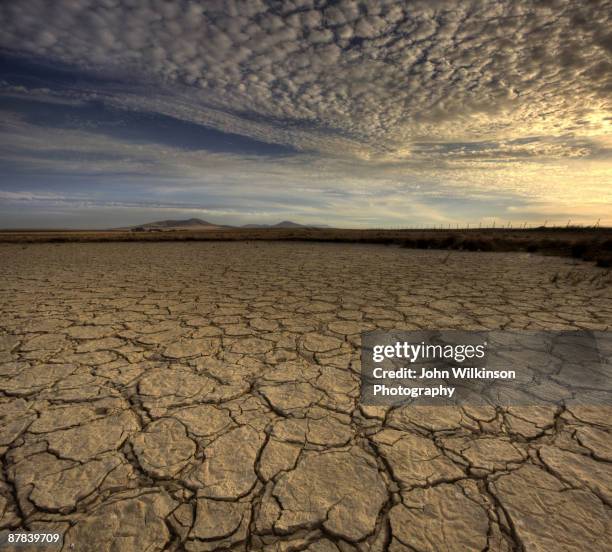
Short answer: A well-designed and properly constructed earth dam should last 50 to 100 years or more with basic maintenance. The biggest threats to longevity are poor initial compaction, animal burrow damage, erosion of the spillway, and neglected repairs. Dams that are inspected regularly and maintained promptly outlast those that are ignored. Farm dam lifespan …

China’s Medog Hydropower Station will be 3× the Three Gorges Dam and cost up to US$170 billion. Here’s what the scale actually means — and why it matters beyond Tibet.

Dam spillway design is one of the most important parts of any dam build. After 30 years and 341 dams, Angus explains why spillways fail and how to get the design right from the start.

New to owning a farm dam? This beginner’s maintenance checklist tells you exactly what to inspect, how often, and what warning signs to watch for — season by season.

Why do dams leak? In my 30 years building and repairing farm dams, I see the same 6 causes: poor compaction, bad clay, pipes, trees, burrows, and spills.

Is your farm dam losing water? This beginner’s guide explains why farm dams leak, how to find the source, and what you can do to fix it — from bentonite to full repairs.

Short answer: Calcium bentonite can be used for dam sealing, but it is generally less effective than sodium bentonite due to its lower swelling capacity and reduced ability to form a tight, self-healing seal. While calcium bentonite is more commonly found in Australian soils, sodium bentonite is the preferred choice for dam sealing applications where …
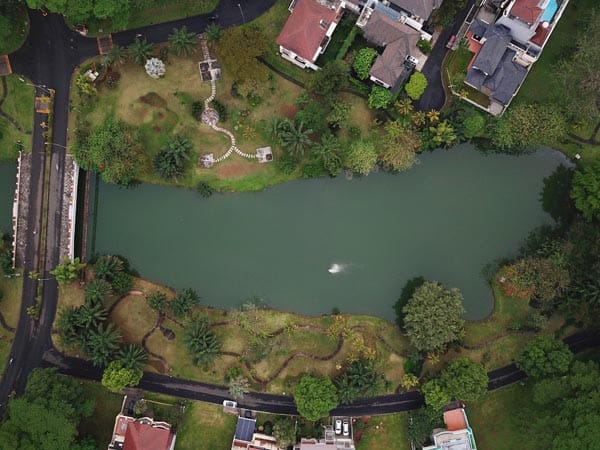
Short answer: Odour in farm dams is almost always caused by decomposing organic matter, algae blooms, or low dissolved oxygen levels. Stagnant water with high nutrient loads from stock waste, fertiliser runoff, or decaying vegetation creates the ideal conditions. Most odour problems can be resolved by improving water circulation, reducing nutrient inputs, and managing vegetation …

What type of soil is best for building a farm dam? A simple guide to clay, loam and sand, plus quick DIY tests to avoid leaks.

Cost to build a farm dam in NSW: $5,000 to $12,000 per megalitre plus GST, excluding mobilisation and fuel surcharge, for a standard earth dam, with worked examples for 2 ML stock dams to 10 ML irrigation storages.

Building Farm Dams: An Expert’s Perspective on Design, Construction, and Sustainability

As a dam builder with over 30 years in the industry, I have seen first-hand how vegetation can make or break the long-term safety, functionality, and environmental value of a dam.
Whether you’re managing a farm dam in New South Wales or a larger water storage elsewhere, the right approach to vegetation is essential for water quality, dam stability, biodiversity, and operational safety.
In this comprehensive guide, I’ll outline the principles of vegetation management for dams, detail what to plant and what to remove, and share practical advice for dam owners seeking to optimise both ecological and engineering outcomes.

Water is the most important thing for any farm, and a well-placed farm dam can keep your water safe for decades. I’ve been building and designing dams for more than 30 years, and I can tell you that choosing the right site is the most important thing you can do when building a new dam. If you pick the wrong site, it could cost you a lot of money, cause problems with upkeep, and even hurt the environment. On the other hand, a well-chosen site will give you reliable, high-quality water with little work on your part.

Water is very important for farming. Farm dams are crucial for irrigation, cattle, and keeping rural communities alive in Australia and around the world.
But every year, millions of litres of valuable water are lost to evaporation, especially in hot, dry places like much of inland Australia.

Earth dams are vital for water storage, flood control, irrigation, and environmental management. However, their safety and longevity are continually threatened by cracks and seepage—issues that, if neglected, can escalate into catastrophic failure.
Drawing on over 30 years of award-winning dam engineering experience, this in-depth guide provides a comprehensive overview of diagnosing, repairing, and preventing cracks and seepage in earth dams, integrating proven field practices, modern materials, and the latest diagnostic technologies.

As an expert dam builder with over 30 years of experience, I’ve seen firsthand the challenges and opportunities that come with managing dams through extreme weather events.
Whether you’re a landholder with a farm dam or responsible for a larger water storage, preparing your dam for drought or heavy rainfall is essential for protecting your assets, ensuring water security, and safeguarding downstream communities. In this guide, we will help you learn how to prepare your dam effectively.
To effectively prepare your dam, understanding the specific risks associated with your location is key. Regularly assessing your dam’s condition will help you prepare your dam for changing weather patterns.
This comprehensive guide will walk you through the best practices, strategies, and maintenance routines to help your dam weather the extremes of drought and deluge.

Calculating the right dam size and capacity for a farm dam requires balancing water demand, evaporation losses, catchment hydrology, and site-specific engineering factors. Here’s a systematic approach refined over decades of agricultural water management.

Farm dams are critical infrastructure for agricultural operations in NSW, providing essential water security for livestock, irrigation, and firefighting. Proper design requires balancing hydrological needs, structural integrity, environmental protection, and regulatory compliance. From site selection to spillway engineering, every decision impacts long-term functionality. Implementing effective farm dams nsw is crucial for sustainable practices.

Australia’s rural landscape is dotted with farm dams—vital water reservoirs that underpin agricultural productivity and drought resilience.
But before you embark on the journey of building or upgrading a dam, a careful assessment is crucial.
This guide will walk you through the key considerations, calculations, and questions to determine whether a farm dam is the right investment for your property.

Expanding an existing farm dam is a major investment that can transform your property’s water security, productivity, and resilience.

Maintaining the integrity of an earth dam is a critical responsibility for any dam owner or operator. Early detection of cracks or leaks can prevent catastrophic failures, safeguard downstream communities, and protect valuable water resources. Drawing on over 30 years of experience in earth dam construction and maintenance, this comprehensive guide will walk you through the essential steps, signs, and best practices for identifying early warning signs of structural distress during routine inspections.

structured approach to maintenance. Drawing on three decades of hands-on experience and the latest best practices, this comprehensive guide breaks down what you should look for and do on a weekly, monthly, and yearly basis to ensure your dam remains a reliable asset and a visual highlight on your property.

Evaporation can cause significant water loss from lakes, reservoirs, and farm dams, particularly during hot and windy conditions.
Traditional water management methods are no longer sufficient. This has led to the adoption of innovative solutions like windbreaks and floating covers. These approaches not only reduce evaporation but also improve water quality and promote sustainable water use.

Without regular checks and proper maintenance, even a well-built dam can fail—risking property damage, environmental harm, and public safety. A dam inspection helps owners spot early warning signs before they develop into serious hazards.

If you own or run a dam—whether it’s for irrigation, livestock, or just a big water feature in your yard—you need to know how much water you’re losing to evaporation. To figure this out, you first need to know the area of your dam’s surface. This guide offers simple, practical ways to get the most accurate measurement possible.

Faced with extended dry periods, many Australian farmers are considering repairing failing or leaking dams to boost their water supply for when the rain returns. However, dam repairs are typically complex and costly projects that should only begin when the root causes of failure and suitable restoration plans are clearly understood.

Evaporation loss from farm dams in Australia is a great challenge to water security, ranging from 9% to 36% loss of total volume of water in summer. Reliable quantification and prediction of losses are complicated by numerous factors that include meteorology, dam shape, and inaccuracies in measurement. This paper explores the complexities of evaporation estimation, the limitations of current practice, and the potential for improvement through advanced modeling and abatement technologies like floating covers and windbreaks. Understanding these dynamics is essential to effectively manage water in Australia’s agricultural regions.

Short answer: Compliance with dam construction regulations is not just a legal requirement — it is a critical safeguard for public safety, downstream landholders, and the environment. Australian states and territories have specific licensing, design, and construction standards for farm dams that must be followed to avoid fines, forced removal, or liability in the event …
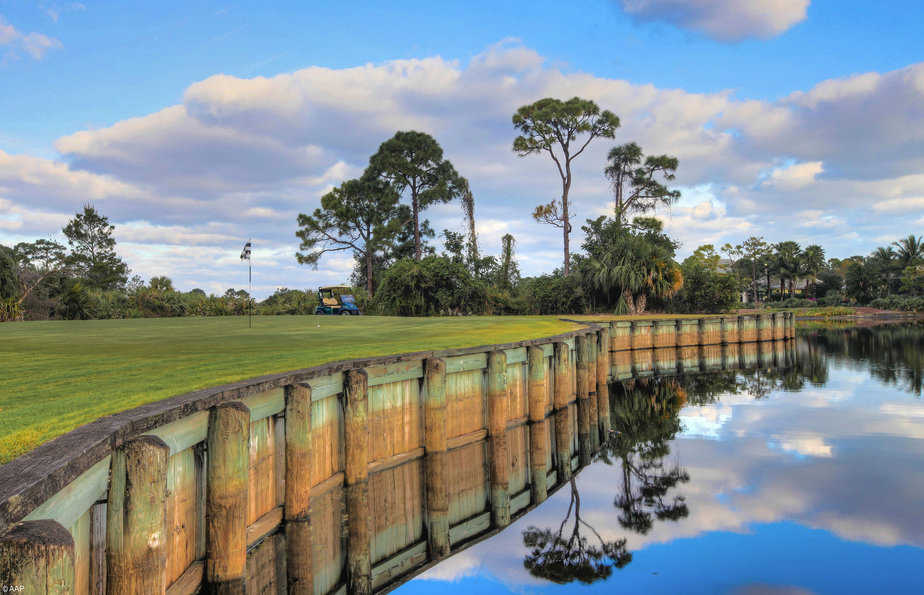
Short answer: Commercial dam projects involve significantly larger storage volumes, higher construction standards, and greater downstream risk than typical farm dams, making professional engineering and construction expertise essential. A qualified contractor brings the technical knowledge required for structural design, spillway calculations, compaction testing, and regulatory compliance for larger-scale projects. Cutting corners on professional services for …
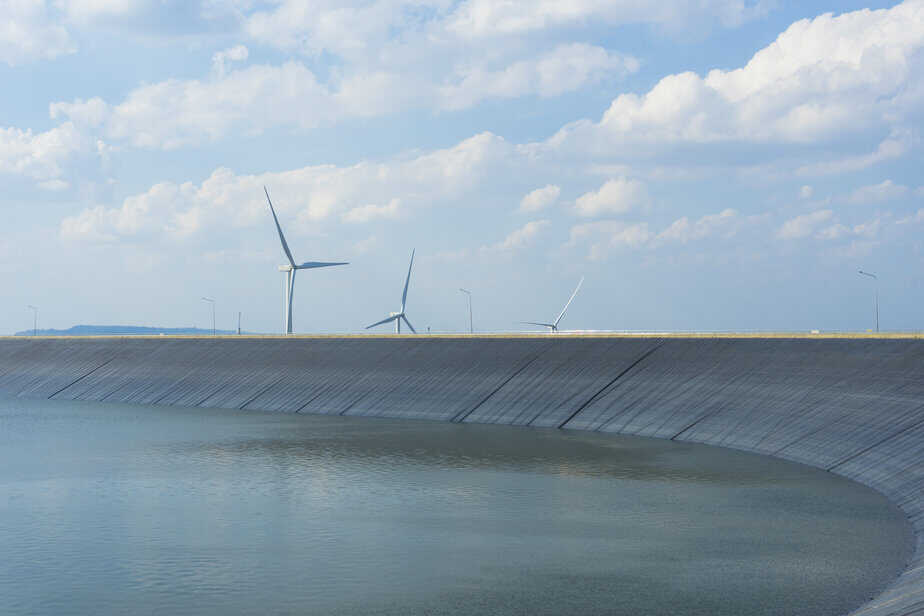
Short answer: Farm dams show clear warning signs when they need refurbishment, including declining water levels not explained by drought, visible embankment cracking, erosion on the batters, overgrown or woody vegetation on the dam wall, and deteriorated spillway condition. Addressing these issues early through professional refurbishment can restore your dam’s full storage capacity and structural …

Natural swimming pools, praised for their eco-friendliness and aesthetic appeal, face challenges like maintenance complexity, higher initial costs, design and space limitations, water quality issues, climate dependency, and wildlife attraction. These factors demand careful consideration by homeowners weighing environmental benefits against practical implications.

Natural swimming pool problems explained: build cost, regeneration-zone footprint, algae, water clarity, wildlife, climate limits and resale.
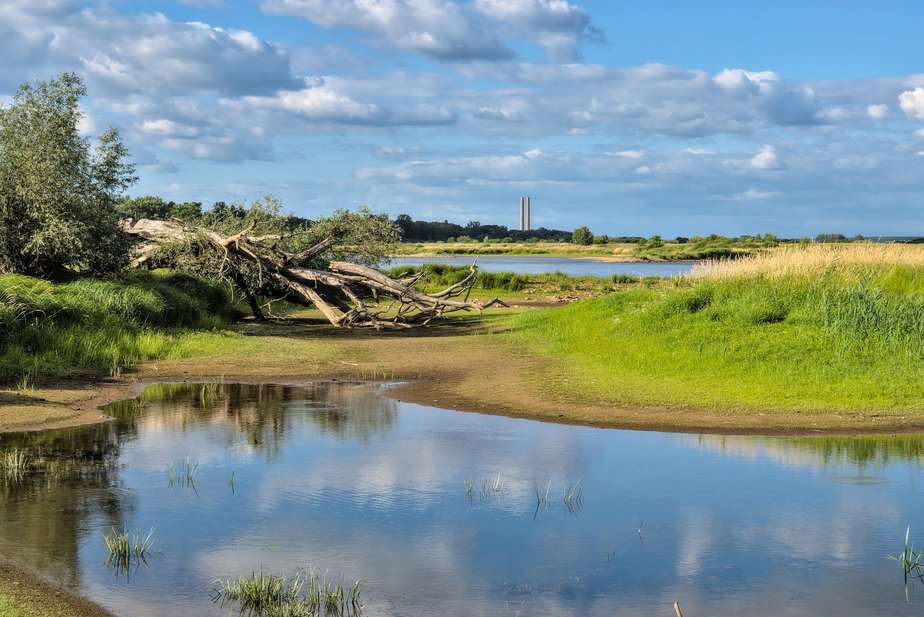
Australia grapples with recurrent droughts, impacting states differently due to factors like climate patterns, rainfall, temperature, and agricultural methods. Despite its diverse landscapes and wildlife, the nation faces significant drought challenges, with its arid climate heightening susceptibility. Key contributors include climate patterns, rainfall shortages, rising temperatures, soil quality, water storage, farming practices, population density, and climate change. States like Queensland, New South Wales, South Australia, Victoria, Western Australia, Tasmania, Northern Territory, and the Australian Capital Territory experience varying degrees of vulnerability. Sustainable water management, infrastructure investments, and climate change mitigation are vital for resilience.

The article discusses how climate change exacerbates heatwaves, droughts, wildfires, and floods. Rising temperatures, altered jet streams, feedback loops, and urban heat islands intensify heatwaves. Changes in precipitation patterns, evaporation rates, and weakened wet seasons worsen droughts. Climate change prolongs wildfire seasons, increases fuel dryness, and leads to more lightning strikes. Additionally, warmer air, sea-level rise, river flooding, and flash flooding contribute to more severe floods. The article emphasizes the need to reduce greenhouse gas emissions, promote sustainable land use, invest in climate resilience, advance climate science, and advocate for policy changes to address these challenges.
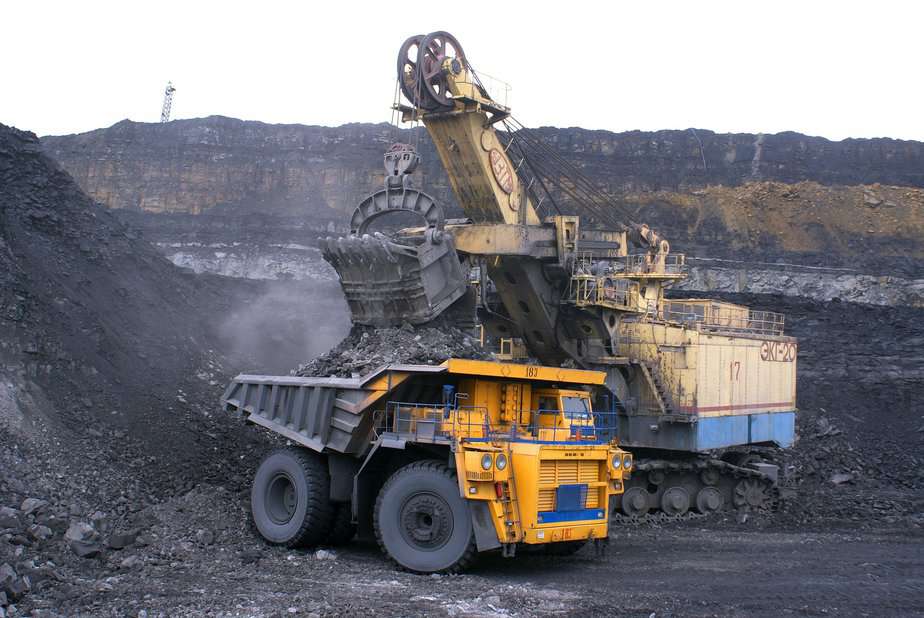
New research from the University of Queensland reveals that a significant portion of the world’s mine tailings, about one-third, poses environmental threats to protected areas. Led by Bora Aska, the study emphasizes the risks these waste facilities pose to biodiversity. It highlights dam failures and stresses the urgent need for mitigating actions amid rising global tailings production.

Dams, the silent giants of engineering, stand tall, serving specific purposes across the globe. These crucial structures, designed for water resource management, flood control, and power generation, come in various forms. Here, we present an insightful glimpse into the world of dams, showcasing 15 distinct types tailored for diverse functions and environmental contexts.
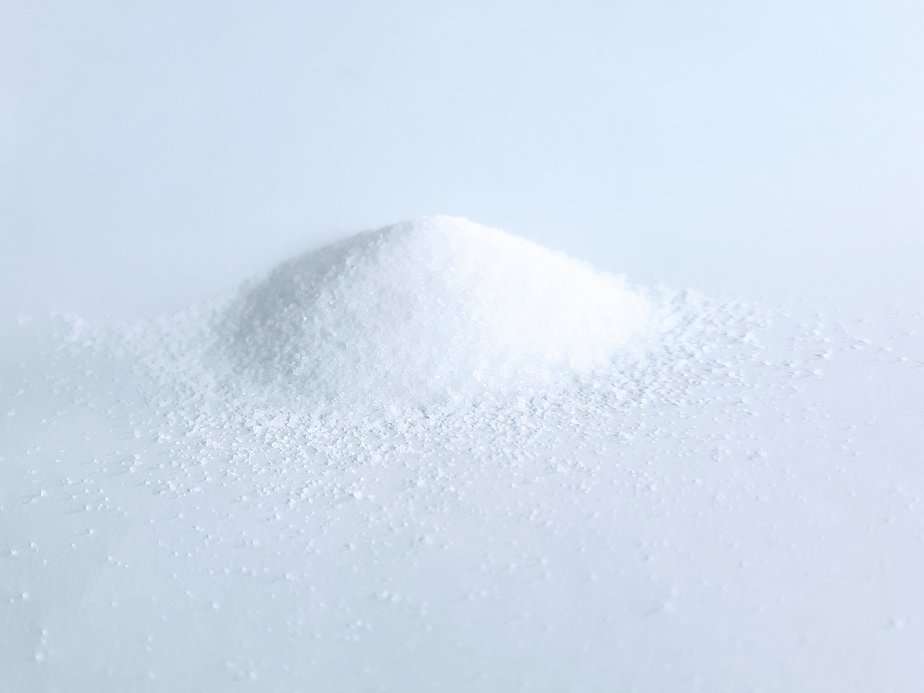
In the world of dam repairs, superabsorbent polymers have their place but are far from being a universal solution. Dams play a crucial role in water security management, providing water storage, flood control, and hydropower generation. However, over time, these critical infrastructure elements can develop leaks, posing significant risks to downstream communities and ecosystems. Recently, there has been considerable PR surrounding the use of superabsorbent polymers as a solution for sealing dam leaks. These polymers are marketed by companies such as Polymer Innovations, Prozyme, Shalex and Triox as a revolutionary way to address the problem swiftly and cost-effectively. But is this hype justified?

Farmers in New South Wales (NSW) experiencing drought have finally experienced a respite in the form of drought-breaking rainfall, in a much-anticipated turn of events. This week’s storms that pounded the state provided an excess of desperately needed moisture; in certain places, over 100 mm of rain fell. More than 70% of NSW has been experiencing extreme drought conditions, according to the Department of Primary Industries, so this rainfall is a much-needed lifeline for farmers.
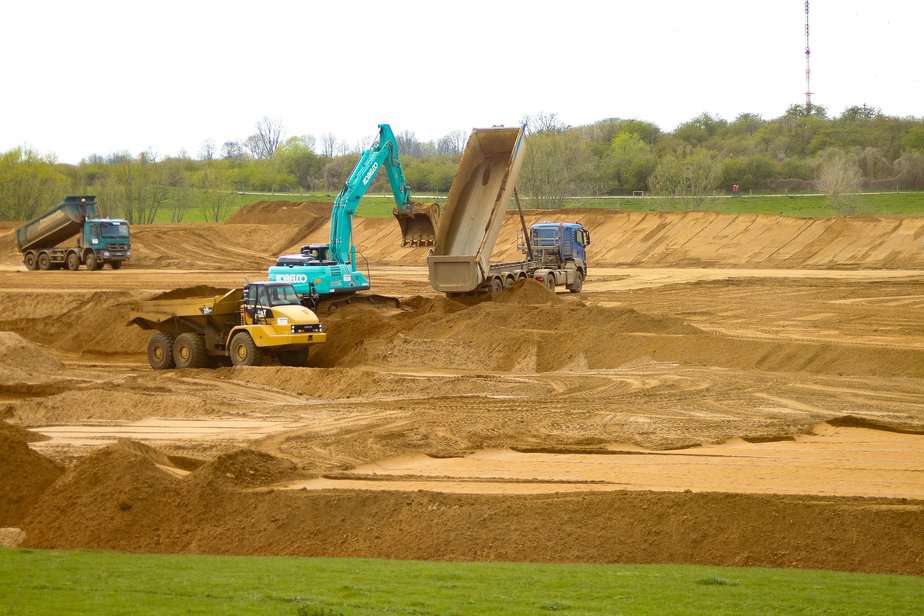
Earth dams are versatile structures that serve a multifaceted role in flood control and disaster management. Floods are one of the most devastating natural disasters that can wreak havoc on communities, causing immense damage to property, infrastructure, and, most tragically, human lives. The frequency and intensity of flooding occurrences have risen due to climate change and urbanisation, making it imperative for us to explore and employ effective flood control and disaster management strategies. Among the various flood control measures, earth dams have emerged as vital structures that play a crucial role in mitigating the impact of floods and managing disaster situations. In this thesis, we will dive deep into the significance of earth dams in flood control and disaster management, exploring their functions, benefits, and their role in safeguarding communities.

Innovations in spillway design for dams have significantly improved the safety and efficiency of these critical infrastructure projects. Dams play a vital role in managing water resources, providing hydroelectric power, and ensuring water supply for various purposes such as irrigation and municipal use. However, as essential as they are, dams can pose significant risks to downstream communities and the environment if not designed, maintained, and operated correctly. One crucial component of dam design is the spillway, which helps control water levels and discharge excess water during periods of heavy rainfall or flooding.

The New South Wales (NSW) Government is setting its sights on doubling the water supply from Sydney’s $2 billion desalination plant to counteract the anticipated rise in temperatures. According to the World Meteorological Organisation (WMO), Australia is on the verge of experiencing its hottest summer on record in 2024, which is expected to heighten the risk of drought.

Australia is in for a turbulent weekend with extreme weather on both coasts. The west battles a scorching heatwave, while the east faces heavy rains and flash flooding threats. Temperatures in Western Australia’s south-west may reach 39°C, but relief is expected next week. Meanwhile, the east anticipates widespread showers and thunderstorms. South Australia also faces thunderstorms, while Brisbane and the Gold Coast brace for heavy rain. Stay informed and safe amidst this weekend’s meteorological challenges
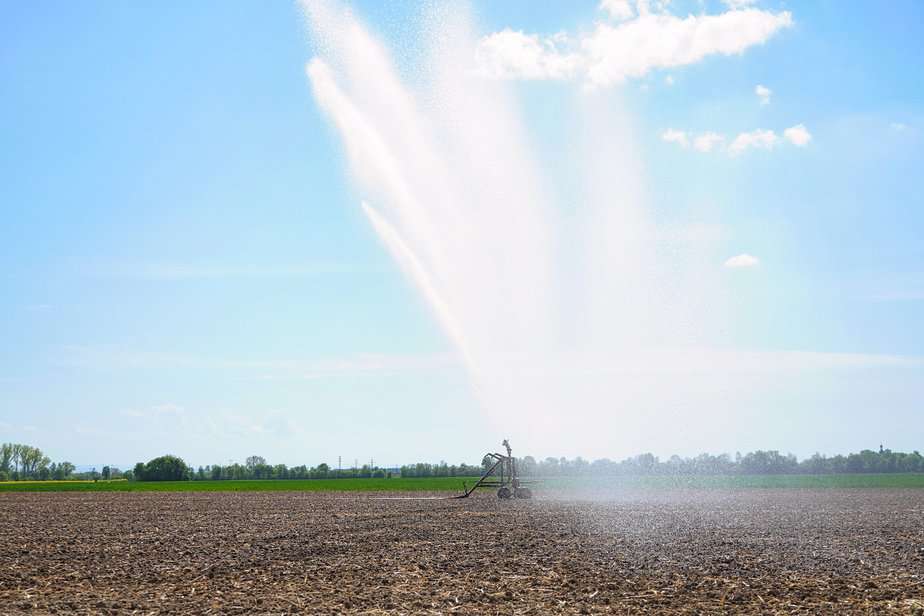
The factors contributing to a lack of rainfall are multifaceted and interconnected. Rainfall is a vital component of Earth’s natural water cycle and plays a crucial role in supporting life, agriculture, and ecosystems. However, in various parts of the world, there are periods when rainfall becomes scarce, leading to droughts and water shortages. In this article, we look at the complex factors that can cause a lack of rainfall, shedding light on the meteorological, geographical, and environmental aspects of this phenomenon.

Polymer Innovations’ advertising of Water$ave may present an appealing solution to the pressing issue of dam leakage. But, before purchasing the product, it’s imperative to investigate it thoroughly and treat these claims with scepticism.
Water$ave by Polymer Innovations claims to be a revolutionary dam sealing product, promising to solve water leakage issues in dams and reservoirs. The company’s advertisements showcase lush, green landscapes contrasting with barren, cracked earth to emphasize the dramatic transformation their product can achieve. While the promise of a quick and cost-effective solution to dam leakage may seem appealing, it’s crucial to scrutinize how Polymer Innovations advertises Water$ave and maintain a healthy dose of skepticism.

Australia’s population growth, combined with the shortage of dams and other water infrastructure, has left the country vulnerable to the devastating impacts of droughts.
Australia, known for its vast landscapes, unique wildlife, and thriving cities, faces a recurring challenge: drought. The continent has a long history of droughts, which can have devastating effects on its environment, economy, and people. While droughts are natural occurrences, Australia’s increasing population and a lack of sufficient dams have left many Australians feeling vulnerable in the face of these dry spells.

Removing weeds from your farm dam is essential for the overall health and productivity of your agricultural operation.
Farm dams are vital resources for agricultural purposes, providing water for livestock, irrigation, and other crucial farming tasks.
However, over time, these water bodies can become infested with weeds, which not only diminish their functionality but also harm the ecosystem. Weeds in farm dams can compete for nutrients, block water flow, and reduce water quality.
In this comprehensive blog post, I will explore various methods and strategies to effectively remove weeds from a farm dam, ensuring the continued productivity of your agricultural endeavors.
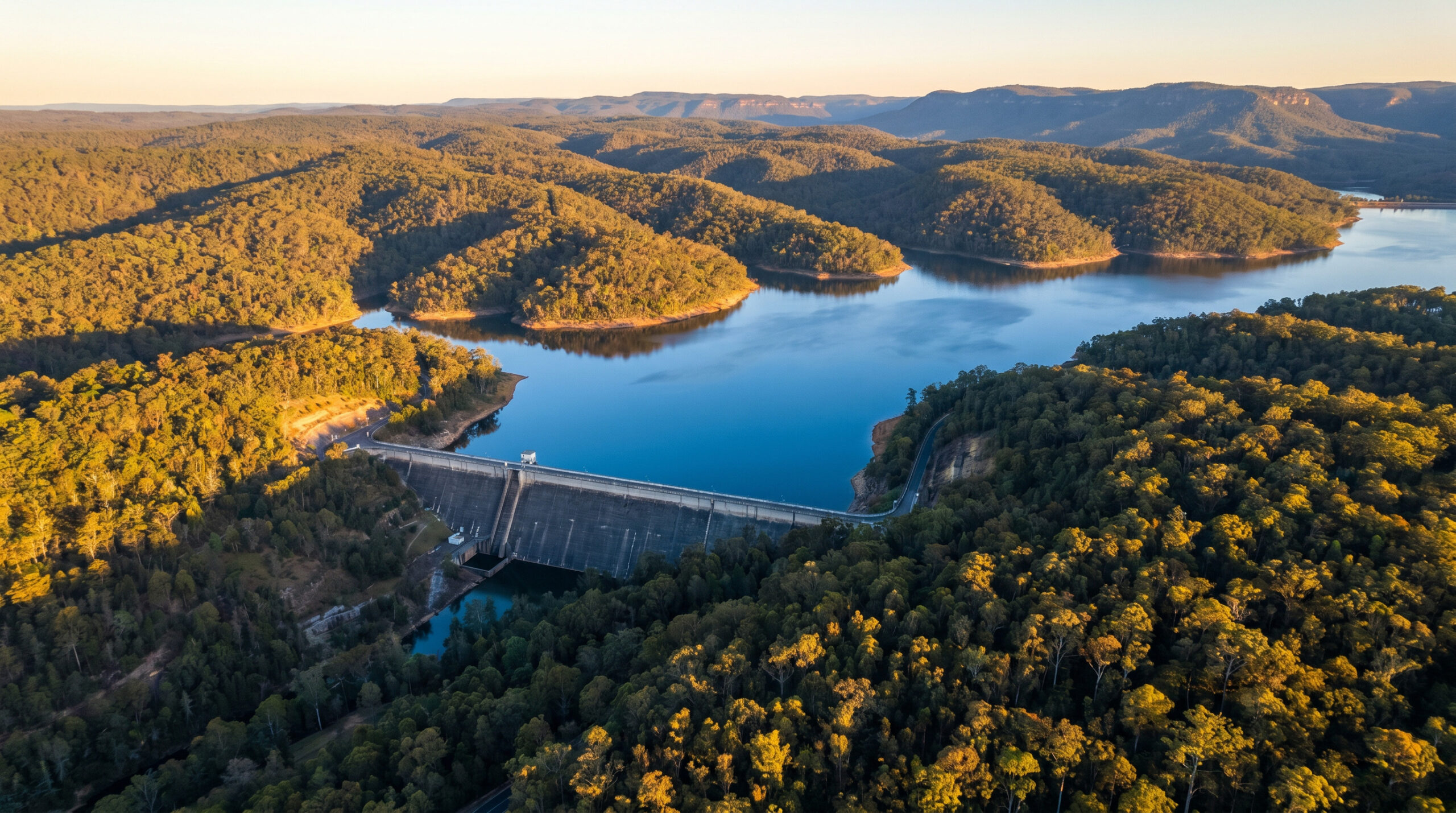
In September, The SMH raised an alarming issue – Sydney should prepare for future water shortages – as Sydney’s water supply is dwindling rapidly, and the situation is expected to worsen with the increasing impacts of climate change and the city’s booming population.
The main problem lies in Sydney’s heavy reliance on rainwater to fill its dams, which then becomes the primary source of drinking water. However, as rainfall patterns become less predictable and droughts more frequent, this crucial water source is diminishing.

Superabsorbent polymers (SAPs) such as Polymer Innovations Watersave product are unsuitable for dam sealing due to their to provide a durable, reliable seal, their potential incompatibility with dam materials, and their challenges in achieving uniform coverage over large and irregular dam surfaces.
When it comes to the essential task of dam sealing, ensuring the structural integrity and water-tightness of these vital infrastructure components is of paramount importance. Various methods and materials have been employed to achieve this, but one that has piqued interest in recent years is superabsorbent polymers (SAPs). In this blog post, we’ll delve into what superabsorbent polymers are, how they work, and why they often prove inadequate for dam sealing projects.

The foundation of successful agriculture lies beneath our feet: the soil. To maximize crop yields, improve soil health, and make sustainable farming decisions, it is essential to understand the composition and condition of your soil. This is where soil testing tools and techniques come into play.
Let’s explore various soil testing tools and techniques that can empower farmers to make informed decisions, enhance soil fertility, and promote better farming practices.

Low rainfall or drought is a pressing concern in many regions across the world, leading to water scarcity, crop failures, and environmental challenges. Climate change and natural variability have exacerbated this issue, making it essential for communities to implement proactive strategies to address low rainfall and its consequences.
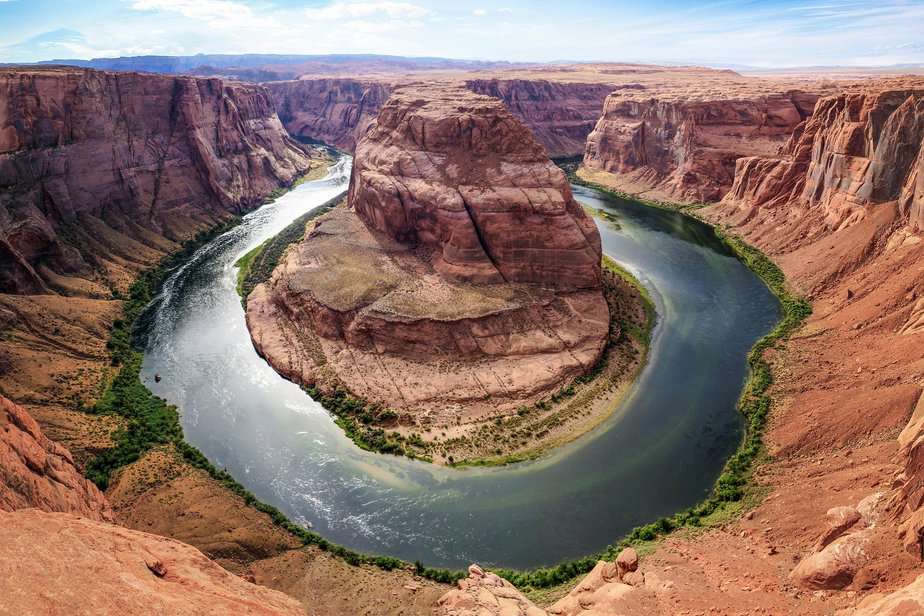
Earth dam geology is a critical factor in the successful construction and performance of these essential structures.
Earth dams, also known as earthen embankments or levees, are important for water resource management, flood control, and agricultural irrigation. Building a safe and reliable earth dam requires careful consideration of various factors, and one of the most critical aspects is geology. Understanding the geological characteristics of the site is crucial for selecting an appropriate location, assessing the site’s suitability, and ensuring the dam’s long-term stability.
In this article, I’ll dive into the significance of earth dam geology, the key factors to consider in site selection and assessment, and the importance of geological investigations in the dam construction process.

Preventing and mitigating dam siltation is essential to ensure the long-term effectiveness of these vital infrastructure projects.
Dams are critical infrastructure that provides a range of benefits, from water supply and hydroelectric power generation to flood control and irrigation. However, over time, they face a common challenge known as “siltation” or “silting up.” Siltation occurs when sediment, primarily sand, silt, and clay, accumulates in the reservoir behind the dam, reducing its storage capacity and effectiveness. In this article, I’ll look at the causes of dam siltation and discuss effective strategies and solutions to prevent and mitigate this problem.

Surviving with less water is a skill that can be valuable in various situations, from dealing with water scarcity in everyday life to emergency scenarios in the wild.
Water is essential for life. It’s not just vital for staying hydrated, but also for cooking, cleaning, agriculture, and countless other daily activities. However, in certain situations, such as during droughts, emergencies, or while exploring remote regions, access to ample water may be limited.
In this article, I explore essential strategies and give you tips on how to survive with less water, ensuring that you can adapt and thrive even when faced with water scarcity.
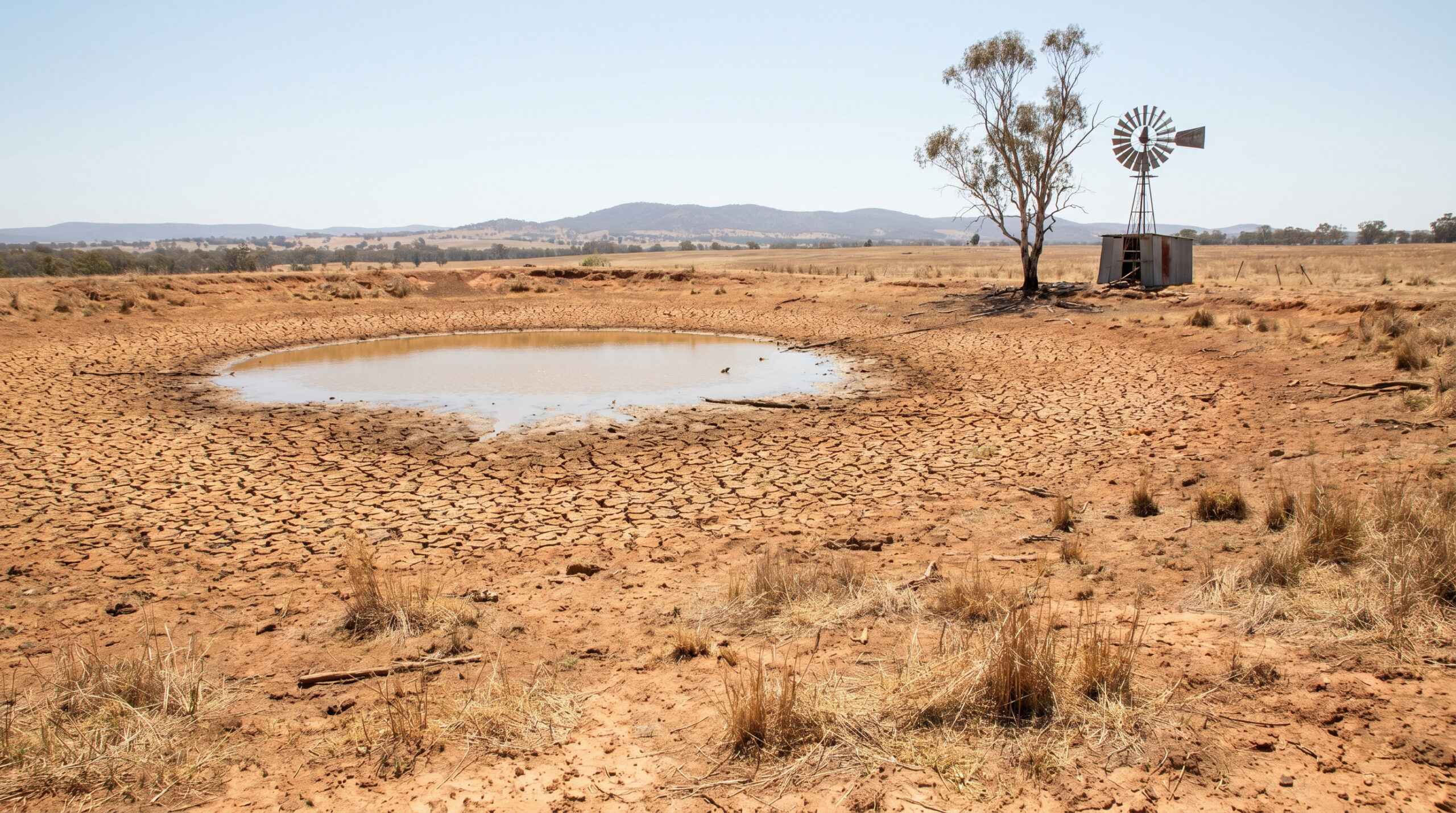
The unpredictability of the drought wreaking havoc in NSW is a stark reminder of the tenacity and will of the Australian people.
Australia, a country renowned for its stark environmental issues and contrasted beauty, is once again facing the terrible power of nature. Currently, towns and farmers in the state of New South Wales (NSW) are struggling due to an unpredictable drought, which poses a severe threat. We go deep into this dilemma in this blog article, telling the moving story of a farmer struggling against the wrath of nature.

Dams are essential components of our infrastructure that play a pivotal role in reducing the impact of floods and wildfires.
Natural disasters such as floods and wildfires can wreak havoc on communities, causing significant damage to property and posing serious threats to human lives. Climate change has caused an increase in the frequency and severity of catastrophic disasters in recent years. To mitigate the impact of these catastrophes, various strategies have been employed, and one of the most effective methods is the use of dams. Dams play a crucial role in reducing the impact of floods and fires by managing water resources, providing a source of firefighting water, and offering flood control. In this blog post, we will explore how dams serve as vital tools in mitigating the devastation caused by floods and wildfires.

Australia is currently grappling with unprecedented dry conditions, with the past three months marking the driest quarter in the nation’s recorded history. According to the latest findings from the Bureau of Meteorology, the country is enduring a significant rainfall deficit, with the situation particularly dire in Western Australia, Queensland, and South Australia.

QLD wanted to drain over a year’s worth of water from Wivenhoe dam
Releasing up to 413 days’ worth of water supply from a key south-east Queensland dam last summer was actively considered by the state following devastating floods, internal documents reveal.
Follow-up advice from Wivenhoe Dam’s operator on the ultimate call to only forgo about 139 days’ supply, reducing levels from 90 to 80 per cent of full drinking supply capacity, was only sought three days before that decision.