

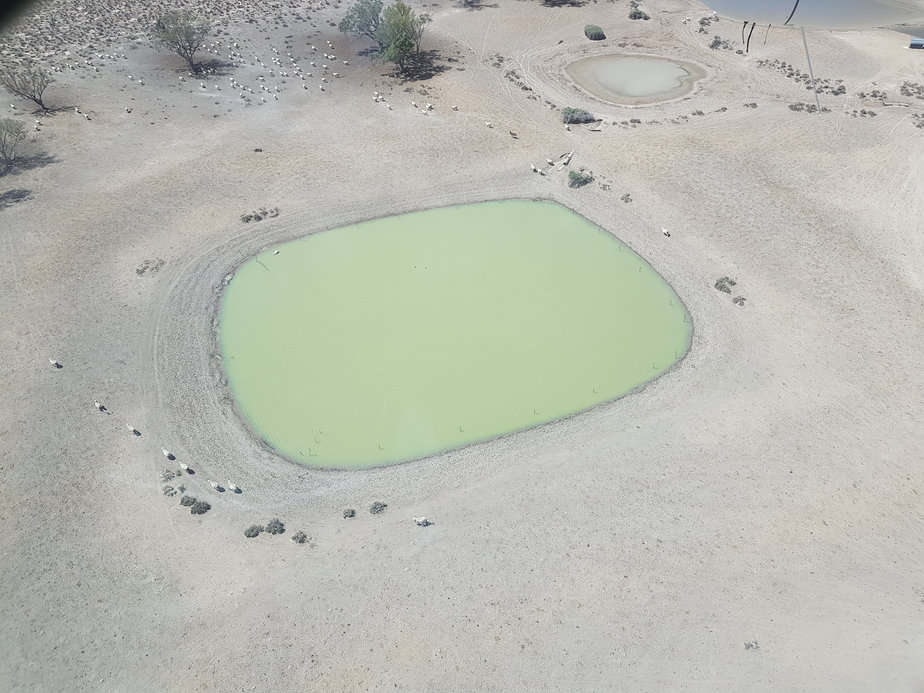
Short answer: A failing dam wall gives you warning signs before it gives way. Watch for seepage, cracks, slumping, or animal burrows in the wall. If you spot any of these, get someone on-site before the next rain event. I’ve spent years building and repairing earthen dams across Queensland and New South Wales, and the …
Category Archives: Dam quality

Dam Building
A Beginner’s Guide To Building Your First Earth Dam
Short answer: Building your first earth dam involves selecting a suitable site with impermeable soil, ...
Continue reading
Dam Building
Roy Hill Project: Delivering A Major Dam In Mining Country
Short answer: The Roy Hill project involved constructing a major water storage dam in the ...
Continue reading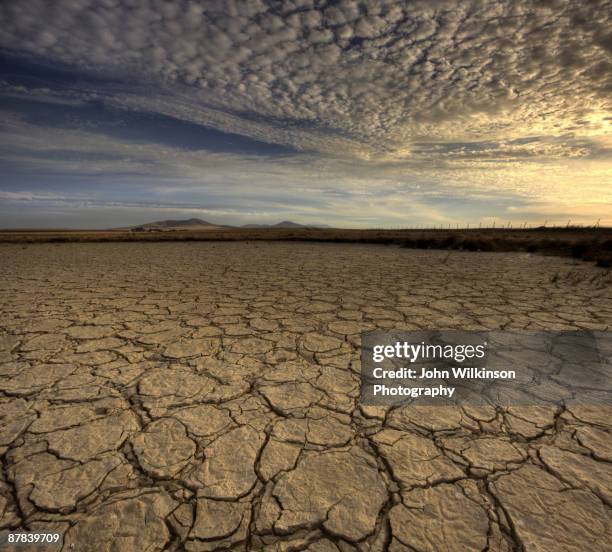
Short answer: A well-designed and properly constructed earth dam should last 50 to 100 years or more with basic maintenance. The biggest threats to longevity are poor initial compaction, animal burrow damage, erosion of the spillway, and neglected repairs. Dams that are inspected regularly and maintained promptly outlast those that are ignored. Farm dam lifespan …
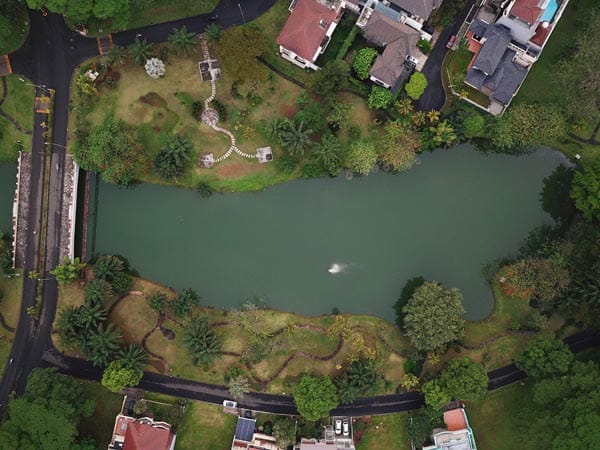
Short answer: Odour in farm dams is almost always caused by decomposing organic matter, algae blooms, or low dissolved oxygen levels. Stagnant water with high nutrient loads from stock waste, fertiliser runoff, or decaying vegetation creates the ideal conditions. Most odour problems can be resolved by improving water circulation, reducing nutrient inputs, and managing vegetation …

As a dam builder with over 30 years in the industry, I have seen first-hand how vegetation can make or break the long-term safety, functionality, and environmental value of a dam.
Whether you’re managing a farm dam in New South Wales or a larger water storage elsewhere, the right approach to vegetation is essential for water quality, dam stability, biodiversity, and operational safety.
In this comprehensive guide, I’ll outline the principles of vegetation management for dams, detail what to plant and what to remove, and share practical advice for dam owners seeking to optimise both ecological and engineering outcomes.

Farm dams are critical infrastructure for agricultural operations in NSW, providing essential water security for livestock, irrigation, and firefighting. Proper design requires balancing hydrological needs, structural integrity, environmental protection, and regulatory compliance. From site selection to spillway engineering, every decision impacts long-term functionality. Implementing effective farm dams nsw is crucial for sustainable practices.

Maintaining the integrity of an earth dam is a critical responsibility for any dam owner or operator. Early detection of cracks or leaks can prevent catastrophic failures, safeguard downstream communities, and protect valuable water resources. Drawing on over 30 years of experience in earth dam construction and maintenance, this comprehensive guide will walk you through the essential steps, signs, and best practices for identifying early warning signs of structural distress during routine inspections.

Evaporation loss from farm dams in Australia is a great challenge to water security, ranging from 9% to 36% loss of total volume of water in summer. Reliable quantification and prediction of losses are complicated by numerous factors that include meteorology, dam shape, and inaccuracies in measurement. This paper explores the complexities of evaporation estimation, the limitations of current practice, and the potential for improvement through advanced modeling and abatement technologies like floating covers and windbreaks. Understanding these dynamics is essential to effectively manage water in Australia’s agricultural regions.