


Building Farm Dams: An Expert’s Perspective on Design, Construction, and Sustainability
Tag Archives: Water Supply
Dam Building
A Beginner’s Guide To Building Your First Earth Dam
Short answer: Building your first earth dam involves selecting a suitable site with impermeable soil, ...
Continue reading
Dam Building
Roy Hill Project: Delivering A Major Dam In Mining Country
Short answer: The Roy Hill project involved constructing a major water storage dam in the ...
Continue reading
Earth dams are vital for water storage, flood control, irrigation, and environmental management. However, their safety and longevity are continually threatened by cracks and seepage—issues that, if neglected, can escalate into catastrophic failure.
Drawing on over 30 years of award-winning dam engineering experience, this in-depth guide provides a comprehensive overview of diagnosing, repairing, and preventing cracks and seepage in earth dams, integrating proven field practices, modern materials, and the latest diagnostic technologies.

As an expert dam builder with over 30 years of experience, I’ve seen firsthand the challenges and opportunities that come with managing dams through extreme weather events.
Whether you’re a landholder with a farm dam or responsible for a larger water storage, preparing your dam for drought or heavy rainfall is essential for protecting your assets, ensuring water security, and safeguarding downstream communities. In this guide, we will help you learn how to prepare your dam effectively.
To effectively prepare your dam, understanding the specific risks associated with your location is key. Regularly assessing your dam’s condition will help you prepare your dam for changing weather patterns.
This comprehensive guide will walk you through the best practices, strategies, and maintenance routines to help your dam weather the extremes of drought and deluge.

Calculating the right dam size and capacity for a farm dam requires balancing water demand, evaporation losses, catchment hydrology, and site-specific engineering factors. Here’s a systematic approach refined over decades of agricultural water management.

The New South Wales (NSW) Government is setting its sights on doubling the water supply from Sydney’s $2 billion desalination plant to counteract the anticipated rise in temperatures. According to the World Meteorological Organisation (WMO), Australia is on the verge of experiencing its hottest summer on record in 2024, which is expected to heighten the risk of drought.
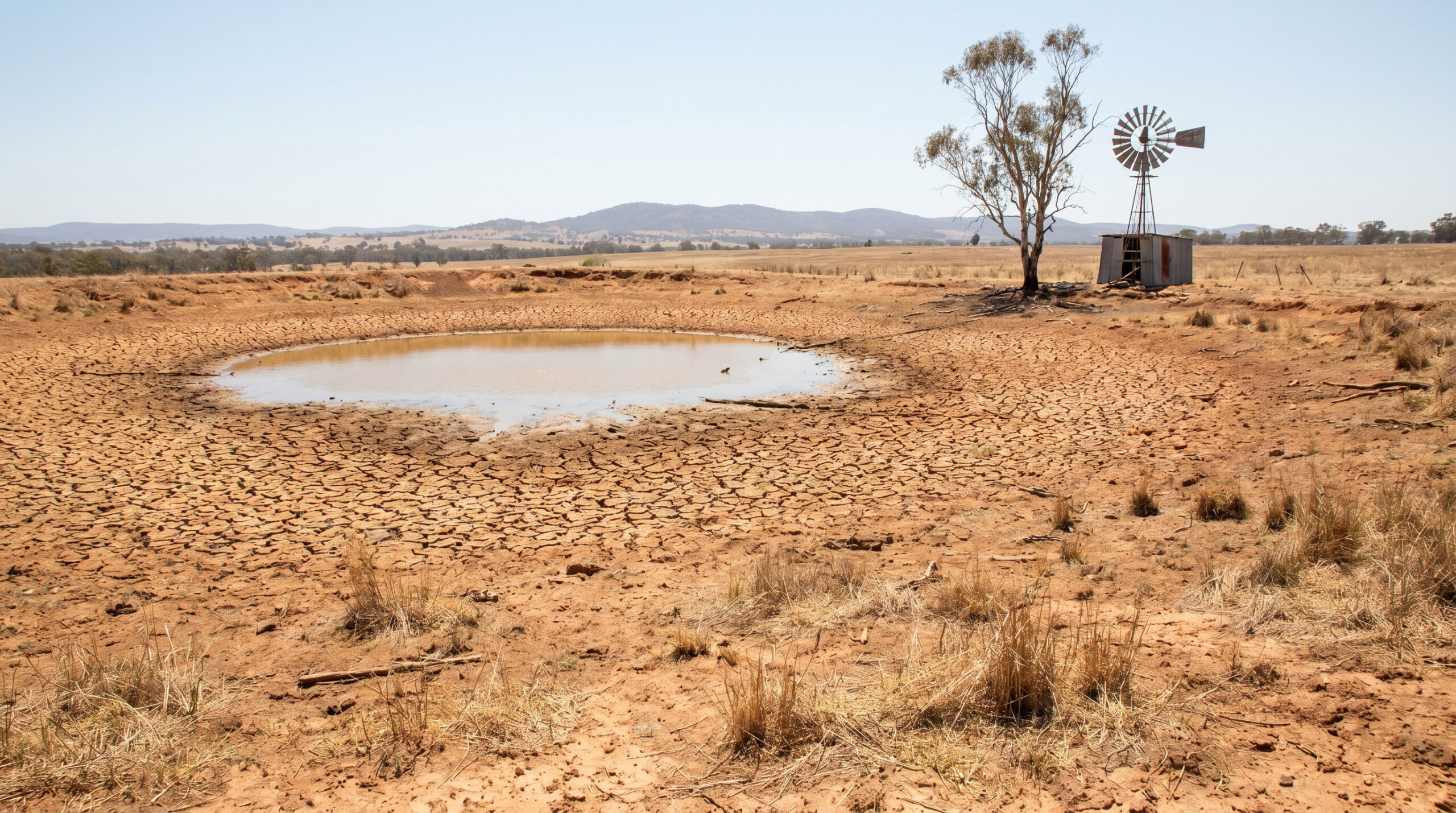
The unpredictability of the drought wreaking havoc in NSW is a stark reminder of the tenacity and will of the Australian people.
Australia, a country renowned for its stark environmental issues and contrasted beauty, is once again facing the terrible power of nature. Currently, towns and farmers in the state of New South Wales (NSW) are struggling due to an unpredictable drought, which poses a severe threat. We go deep into this dilemma in this blog article, telling the moving story of a farmer struggling against the wrath of nature.

Water is the most essential resource we need to survive. With increasing global challenges, such as changing weather patterns, growing populations, and depleting resources, water security has become a critical issue for many.
As responsible individuals, ensuring a consistent, clean, and adequate water supply for our families should be a top priority. Here’s a comprehensive guide on eight steps you can take to achieve water security for your family:
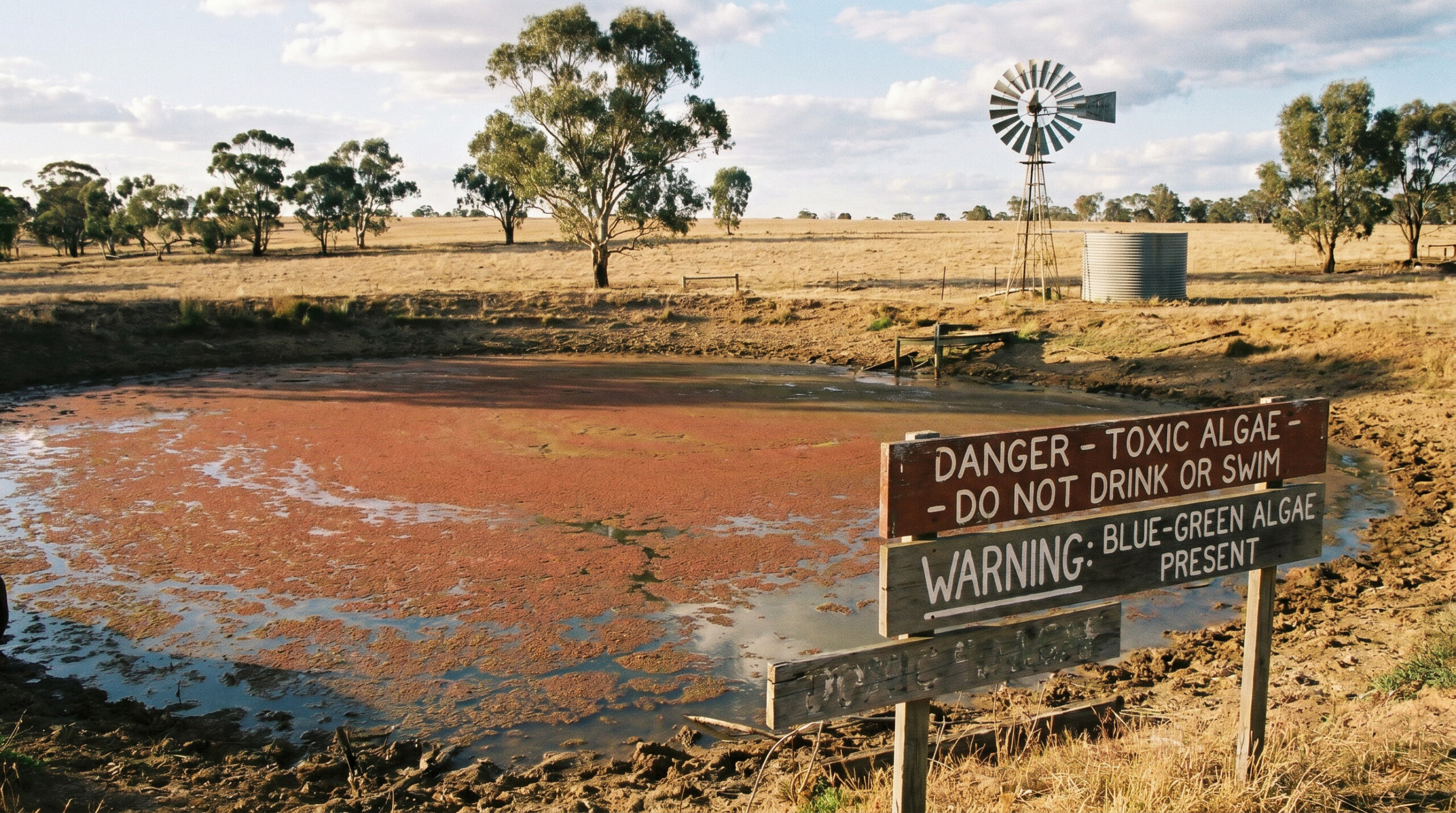
Rhodophyta, or red algae, can develop for a number of reasons, such as nutrient availability and environmental circumstances. A few of the major causes of red algae include the following

Short answer: Sydney’s water catchment dams face an underappreciated contamination risk from metal sludge and industrial pollutants, threatening the quality of water supplies for millions of residents. Legacy mining activities and industrial runoff can introduce heavy metals into reservoir systems, requiring costly treatment to make water safe for consumption. Protecting catchment health is essential for …
Short answer: The federal government signalled its intent to push for new dam construction across Australia as part of a long-term strategy to boost national water security. Proposed new dams would support agricultural productivity, regional water supply, and drought resilience for farming communities across multiple states. The initiative reignited debate about the environmental, economic, and …
Short answer: Dam storages across NSW slipped a further 0.3 percent in the latest weekly update, continuing the steady decline driven by ongoing drought and minimal catchment inflows. The incremental but persistent falls highlighted the severity of the long-term dry spell affecting the state’s water resources. Water authorities urged both urban and rural users to …
Short answer: Water authorities cracked down on illegal cannabis growers by cutting off access to dam water used for irrigating marijuana crops on rural properties. The action followed investigations that identified unlicensed water extraction from farm dams being used to support large-scale illegal cultivation operations. The crackdown reinforced that water licences and farm dam usage …
Short answer: One outback town demonstrated remarkable community spirit by offering free water to drought-affected farmers and travellers during the water crisis. The generous response highlighted the solidarity of rural communities in the face of severe water shortages and reinforced the importance of strong local water storage infrastructure. Initiatives like this underscore why investing in …
Short answer: Kempsey and its surrounding communities faced growing concerns over the reliability of dam water supplies as prolonged drought reduced storage levels in local catchments. Water authorities warned that continued dry conditions could threaten the town’s water security, prompting calls for urgent investment in alternative supplies and storage augmentation. The situation underscored the need …
Short answer: Long-range weather forecasts for the 2019-20 summer offered a cautious glimmer of hope, with some models suggesting above-average rainfall was possible for parts of drought-affected Australia. However, forecasters cautioned that even above-average rain would need to be significant and widespread to meaningfully replenish depleted dams and dry catchments. Landowners were advised to maximise …
Short answer: A government-backed water program provided funding support to 30 landholders, enabling them to construct private dams and water storage infrastructure using public funds. The initiative aimed to boost on-farm water resilience in drought-affected regions by co-investing in critical rural water infrastructure. The program highlights the growing role of public-private partnerships in addressing Australia’s …
Short answer: The NSW government moved to fast-track approvals for new dam construction as the drought emergency deepened across the state. Streamlined planning pathways aim to reduce red tape and enable landowners to build new water storage infrastructure more quickly. The initiative reflects growing recognition that on-farm water security is critical for agricultural resilience during …
Short answer: NSW dam levels in October 2019 continued to decline, with total storage across major catchments falling to some of the lowest levels recorded in decades. The ongoing drought left many rural towns and farming communities facing severe water shortages as summer approached. Water authorities and the NSW government urged urgent conservation measures and …
Short answer: Australian landowners may be eligible to claim a refund on farm dam construction costs through government water infrastructure rebate programs. The process typically involves submitting invoices and evidence of completed works to the relevant state authority within a set timeframe. Engaging a reputable dam builder and keeping thorough records are essential steps to …
Short answer: NSW dam levels continued to fall through September 2019, with the latest update showing storages declining further across the state’s major catchments. Persistent dry conditions and below-average inflows pushed many dams to critically low levels, raising concerns for water security heading into summer. Farmers and water authorities were urged to conserve supplies and …
Short answer: The NSW government announced $50 million in funding for drought projects aimed at supporting farmers and rural communities through the ongoing water crisis. Funding targets water infrastructure upgrades, including new dams, pipelines, and storage improvements across drought-affected regions. Eligible landholders can apply through relevant state government programs to access financial assistance. NSW Drought …
Short answer: Summer rainfall harvesting allows landowners to capture and store large volumes of water during heavy rain events, maximising every drop that falls on their property. Properly designed farm dams with adequate spillways and catchment areas can significantly boost on-farm water storage. Strategic earthworks and dam placement are key to making the most of …
Short answer: While Hoover Dam is one of the most engineered and monitored structures in the world, no dam is entirely immune to failure. Potential risks include extreme flooding beyond design capacity, seismic activity, concrete degradation, and operational failures. Regular inspections and modern safety upgrades have kept Hoover Dam in good condition, but experts continue …

Short answer: Big Ditch Aquatecture successfully completed a large-scale dam construction project for avocado grower Josh McMillan at Comboyne, NSW. The finished dam wall measures 50m wide by 150m long by 5m deep, providing reliable water storage for the McMillan family’s avocado operation. The project used two Caterpillar D7 bulldozers and a 20-tonne excavator, delivering …