Tag Archives: Climate change

Big Ditch Aquatecture Floating Covers And Windbreaks

How Floating Covers and Windbreaks Stop Evaporation In Your Dam

Evaporation can cause significant water loss from lakes, reservoirs, and farm dams, particularly during hot and windy conditions.

Traditional water management methods are no longer sufficient. This has led to the adoption of innovative solutions like windbreaks and floating covers. These approaches not only reduce evaporation but also improve water quality and promote sustainable water use.

Big-Ditch-Aquatecture-Which-States-of-Australia-are-Most-Likely-to-be-Affected-by-Drought

Which States of Australia are Most Likely to be Affected by Drought?

Australia grapples with recurrent droughts, impacting states differently due to factors like climate patterns, rainfall, temperature, and agricultural methods. Despite its diverse landscapes and wildlife, the nation faces significant drought challenges, with its arid climate heightening susceptibility. Key contributors include climate patterns, rainfall shortages, rising temperatures, soil quality, water storage, farming practices, population density, and climate change. States like Queensland, New South Wales, South Australia, Victoria, Western Australia, Tasmania, Northern Territory, and the Australian Capital Territory experience varying degrees of vulnerability. Sustainable water management, infrastructure investments, and climate change mitigation are vital for resilience.


How-Heatwaves-Droughts-Wildfires-and-Floods-Are-Made-Worse-by-Climate-Change

How Heatwaves, Droughts, Wildfires, and Floods Are Made Worse by Climate Change

The article discusses how climate change exacerbates heatwaves, droughts, wildfires, and floods. Rising temperatures, altered jet streams, feedback loops, and urban heat islands intensify heatwaves. Changes in precipitation patterns, evaporation rates, and weakened wet seasons worsen droughts. Climate change prolongs wildfire seasons, increases fuel dryness, and leads to more lightning strikes. Additionally, warmer air, sea-level rise, river flooding, and flash flooding contribute to more severe floods. The article emphasizes the need to reduce greenhouse gas emissions, promote sustainable land use, invest in climate resilience, advance climate science, and advocate for policy changes to address these challenges.

The-Role-of-Earth-Dams-in-Flood-Control-and-Disaster-Management

The Role of Earth Dams in Flood Control and Disaster Management

Earth dams are versatile structures that serve a multifaceted role in flood control and disaster management. Floods are one of the most devastating natural disasters that can wreak havoc on communities, causing immense damage to property, infrastructure, and, most tragically, human lives. The frequency and intensity of flooding occurrences have risen due to climate change and urbanisation, making it imperative for us to explore and employ effective flood control and disaster management strategies. Among the various flood control measures, earth dams have emerged as vital structures that play a crucial role in mitigating the impact of floods and managing disaster situations. In this thesis, we will dive deep into the significance of earth dams in flood control and disaster management, exploring their functions, benefits, and their role in safeguarding communities.

Sydneys-Ambitious-Plan-to-Double-Water-Supply-through-Desalination

Sydney’s Ambitious Plan to Double Water Supply through Desalination

The New South Wales (NSW) Government is setting its sights on doubling the water supply from Sydney’s $2 billion desalination plant to counteract the anticipated rise in temperatures. According to the World Meteorological Organisation (WMO), Australia is on the verge of experiencing its hottest summer on record in 2024, which is expected to heighten the risk of drought.

What-Causes-a-Lack-of-Rainfall-Understanding-the-Factors-Behind-Dry-Spells

What Causes a Lack of Rainfall? Understanding the Factors Behind Dry Spells

The factors contributing to a lack of rainfall are multifaceted and interconnected. Rainfall is a vital component of Earth’s natural water cycle and plays a crucial role in supporting life, agriculture, and ecosystems. However, in various parts of the world, there are periods when rainfall becomes scarce, leading to droughts and water shortages. In this article, we look at the complex factors that can cause a lack of rainfall, shedding light on the meteorological, geographical, and environmental aspects of this phenomenon.

bigditch hero 201540 scaled

Sydney Should Prepare for Future Water Shortages

In September, The SMH raised an alarming issue – Sydney should prepare for future water shortages – as Sydney’s water supply is dwindling rapidly, and the situation is expected to worsen with the increasing impacts of climate change and the city’s booming population.

The main problem lies in Sydney’s heavy reliance on rainwater to fill its dams, which then becomes the primary source of drinking water. However, as rainfall patterns become less predictable and droughts more frequent, this crucial water source is diminishing.

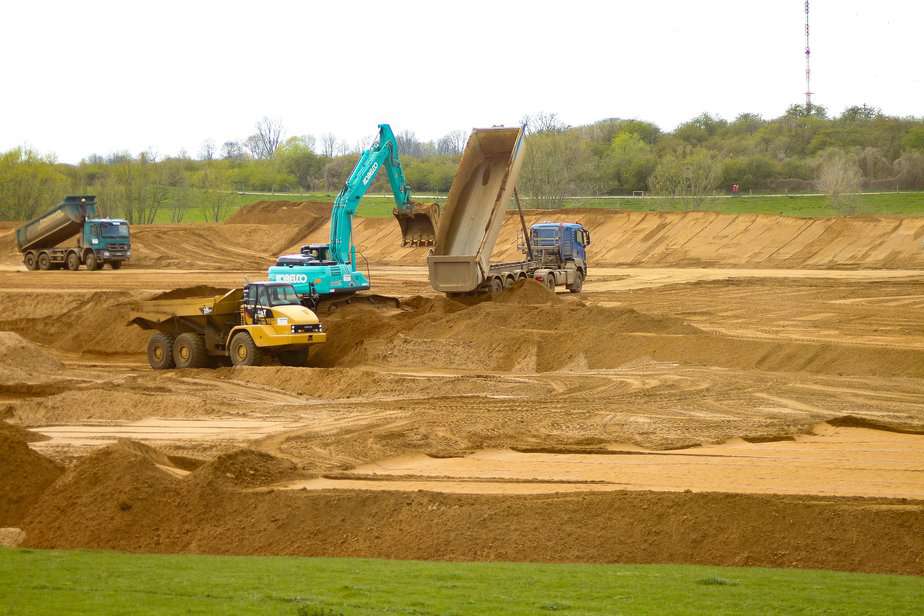
Excavation and dam construction by Big Ditch Aquatecture in progress.

Climate-Proof Your Dam: 10 Adaptation Strategies For A Changing World

As the global climate continues to evolve, the frequency and intensity of extreme weather events are on the rise. This presents a pressing need to reevaluate and adapt critical infrastructure like dams to ensure their resilience in the face of these changes. Dams are essential structures that provide water storage, flood control, and hydropower generation. In this article, we’ll explore the key considerations and strategies for adapting dam design to climate change, ensuring their functionality and safety in an increasingly uncertain future.

Big-Ditch-Aquatecture-Farm-Dam-Construction-and-Water-Storage-for-Emergency-Preparedness

Building Water Resilience: Farm Dams As Emergency Preparedness Infrastructure

In an ever-changing world, where climate uncertainties and unexpected challenges can disrupt the regular flow of resources, being prepared for emergencies is crucial for the sustainability of agricultural operations. One of the fundamental components of emergency preparedness on a farm is the construction of a well-designed farm dam and efficient water storage systems. In this blog post, we will delve into the importance of farm dam construction, the benefits it offers to emergency preparedness, and the key considerations for creating a robust water storage solution.

Big Ditch Dam Builder The Roberts Project @ Herons Creek-10

Modern Dam Design: Balancing Innovation With Reliable Water Security

Short answer: Modern farm dam design combines proven engineering principles with innovative materials and techniques to deliver more reliable, longer-lasting water storage. Advances in sealing technology, spillway design, and catchment optimisation mean today’s dams can hold more water with less maintenance. Balancing innovation with proven reliability is the key to long-term water security on rural …

Still Bone Dry: When The Rain Just Refuses To Fall

Short answer: During drought conditions, rain can be erratically absent for months or even years, leaving farm dams critically low and rural water supplies stretched thin. When rainfall refuses to arrive, farmers must carefully manage existing water reserves, prioritise livestock needs, and consider supplementary water sources. Planning ahead with proper dam infrastructure is the most …

Political Folly: When Leaders Ignore Australia’s Dam Crisis

Short answer: Australia’s dam crisis has been exacerbated by years of political inaction, with successive governments failing to invest adequately in new water storage and harvesting infrastructure. Critics argue that short-term political thinking has left farmers and regional communities dangerously exposed to the impacts of prolonged drought. Decisive leadership and long-term water infrastructure planning are …