


Constructing a dam is no small feat, and one of the most critical steps in ensuring its effectiveness is proper sealing. Dams, especially earthen ones, require an impervious barrier to prevent water seepage, which could weaken the structure and reduce its water storage capacity. Clay, with its fine particles and unique plasticity, has been used as a sealing material for centuries. But not all clays are created equal. In this article, we delve into the right types of clay to use when sealing a new dam.
Tag Archives: Bentonite
Dam Building
A Beginner’s Guide To Building Your First Earth Dam
Short answer: Building your first earth dam involves selecting a suitable site with impermeable soil, ...
Continue reading
Dam Building
Roy Hill Project: Delivering A Major Dam In Mining Country
Short answer: The Roy Hill project involved constructing a major water storage dam in the ...
Continue reading
Short answer: Day 5 at Razorback marked the completion of a challenging dam repair project that required persistent problem-solving across multiple days of difficult conditions. The final stages focused on confirming the seal was holding and completing compaction of the repaired sections. The project demonstrated that even severely leaking dams can be successfully rehabilitated with …

Short answer: Sealing Razorback Dam required identifying the exact pathways through which water was escaping and applying targeted compaction and clay work to permanently stop the leaks. The project involved reworking sections of the dam wall and carefully monitoring the results to ensure a lasting seal. The Razorback Dam Seal works in progress. Day 3. …
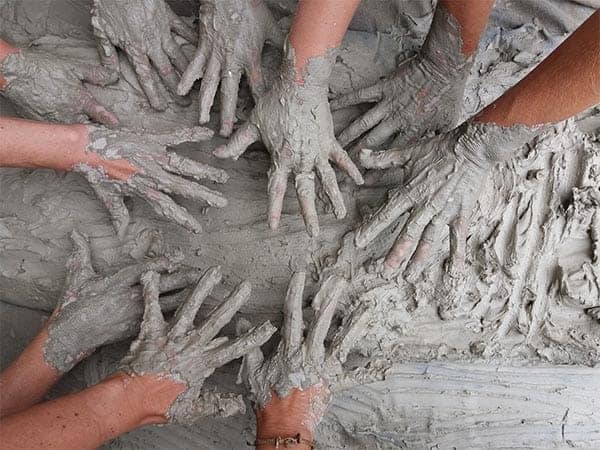
The best clay for sealing a dam is white clay because it will create a permanent seal. Avoid using red clay, because it is dispersive, and it ill let water travel through the wall and exit the dam

Short answer: Big Ditch Aquatecture successfully completed a large-scale dam construction project for avocado grower Josh McMillan at Comboyne, NSW. The finished dam wall measures 50m wide by 150m long by 5m deep, providing reliable water storage for the McMillan family’s avocado operation. The project used two Caterpillar D7 bulldozers and a 20-tonne excavator, delivering …