


In evaluating the effectiveness of dam sealing products, it’s crucial to navigate through a complex array of factors, including product composition, application methods, environmental impact, and long-term performance. The industry is full of various solutions, each with its own set of promises and backed by varying degrees of scientific research and customer testimonials. Let’s delve into these considerations.
Author Archives: Lindsey Angus Hughson

Dam Building
A Beginner’s Guide To Building Your First Earth Dam
Short answer: Building your first earth dam involves selecting a suitable site with impermeable soil, ...
Continue reading
Dam Building
Roy Hill Project: Delivering A Major Dam In Mining Country
Short answer: The Roy Hill project involved constructing a major water storage dam in the ...
Continue reading
BHP, the world’s largest mining group, has said publicly for the first time that it wants to reach a final settlement over a dam disaster in Brazil worth potentially tens of billions of dollars of liabilities.
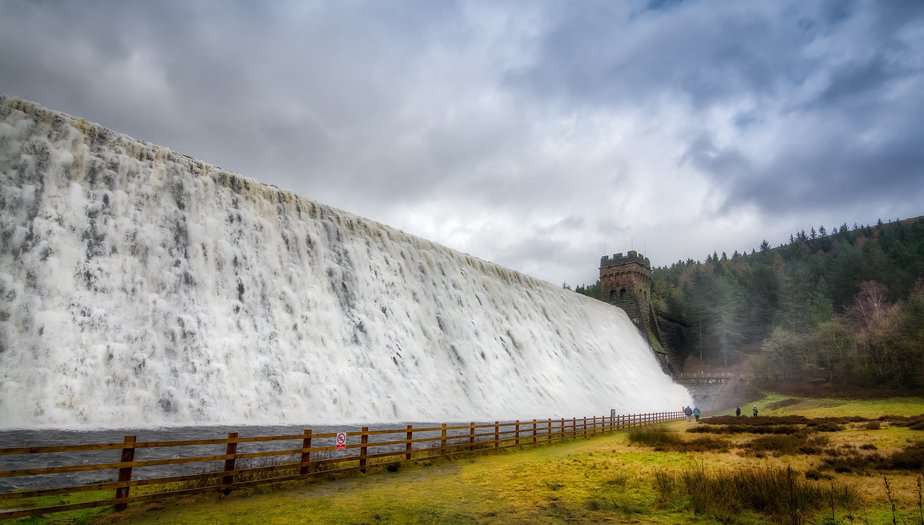
The construction of dams has long been a political chess piece in the development agendas of nations worldwide. The narrative that dams represent progress is deeply embedded in the political dialogue, often serving as a symbol of modernity, control over nature, and economic development. However, the politics of dam development are complex and multifaceted, involving a tangle of environmental, social, and economic considerations.
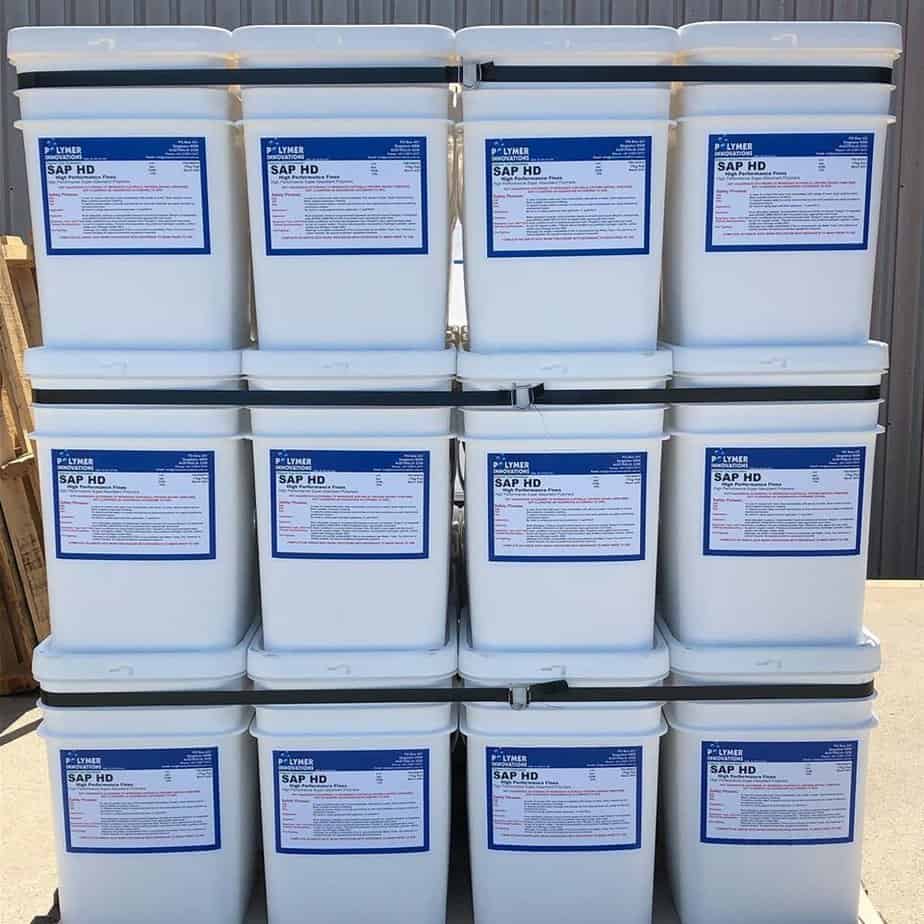
Water is one of our planet’s most valuable resources, and managing it effectively is crucial. Dams play a significant role in water management, storing water for a variety of uses, including hydroelectric power production, drinking water supply, and irrigation.
However, dams are not immune to issues, and leakage is one of the most prevalent problems they face. While there are solutions available to address dam leakage, it’s essential to understand that Watersave, a polymer-based product known for its water retention capabilities, may not be the panacea for this particular challenge.
In this blog post, I’ll look at the complexities of dam leakage and why Watersave may not be the solution you’re looking for.
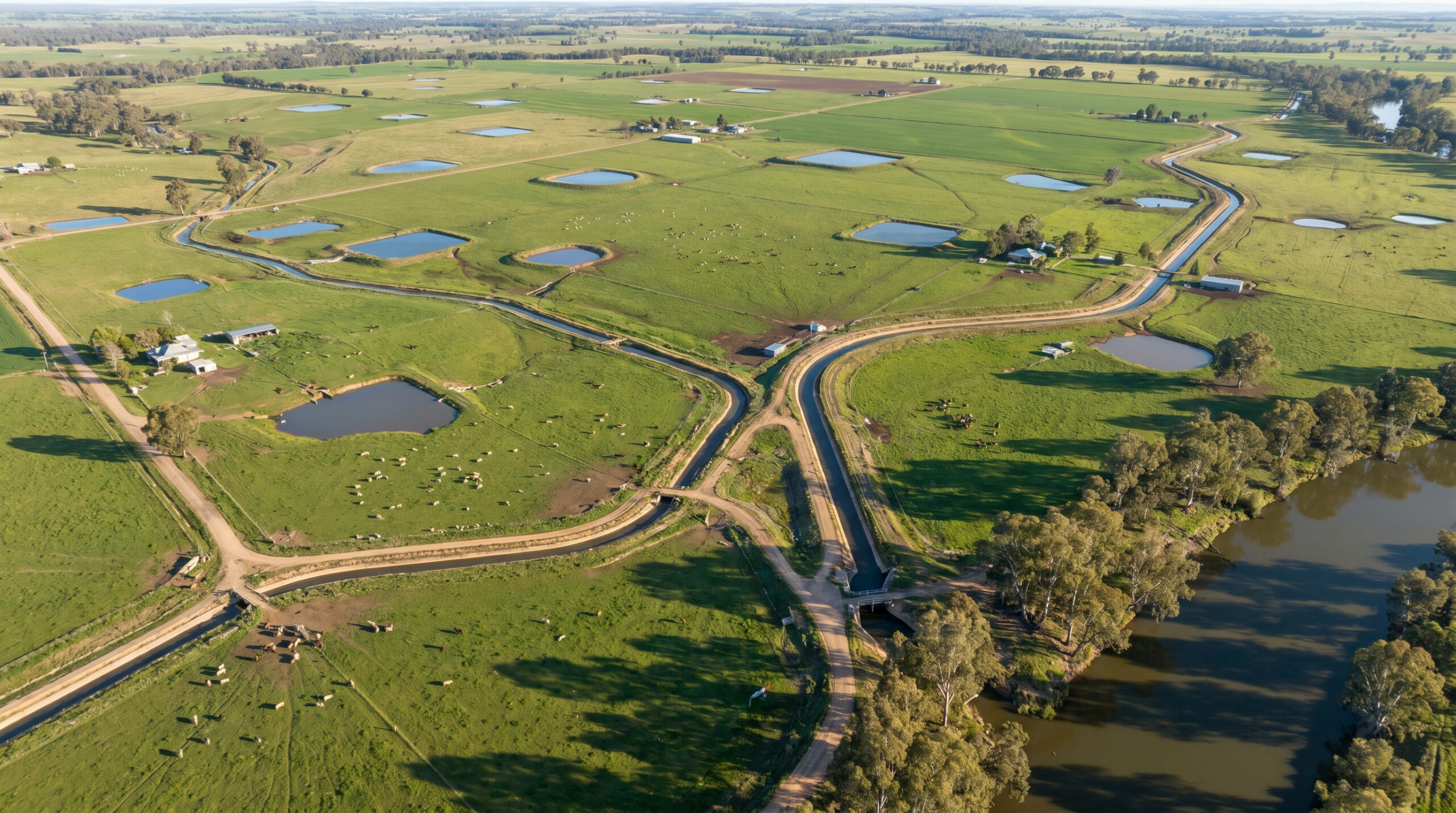
Australia is a country known for its diverse landscapes, unique wildlife, and vast stretches of arid land. Water scarcity has always been a critical issue in the land down under, but in recent years, the Australian government’s water policy has come under scrutiny and criticism from various quarters. This blog post aims to shed light on the reasons why many experts, environmentalists, and concerned citizens believe that the Australian government’s water policy is fundamentally flawed.
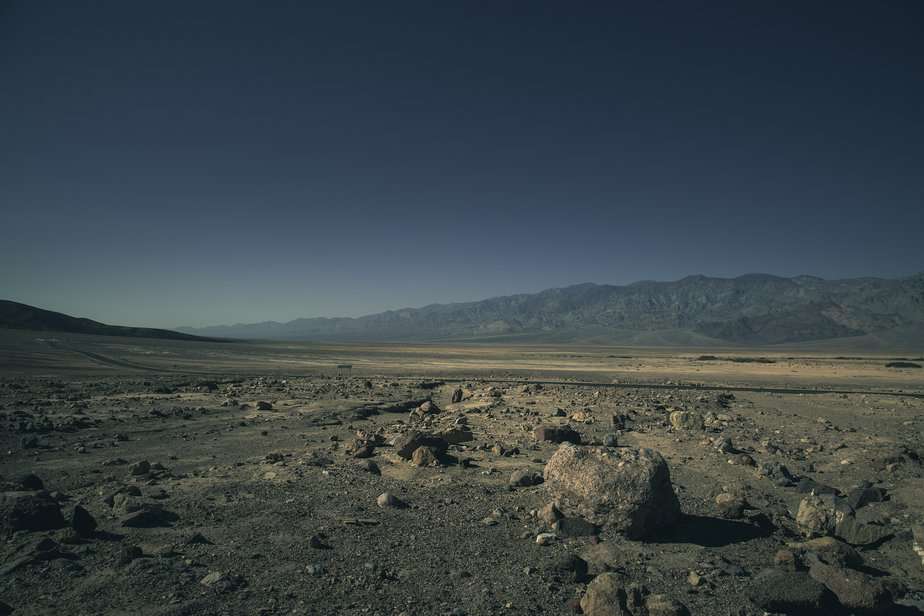
Rural communities in Queensland are grappling with a dire water crisis as dams and groundwater sources continue to dry up, leaving desperate farmers facing a bleak forecast for November.
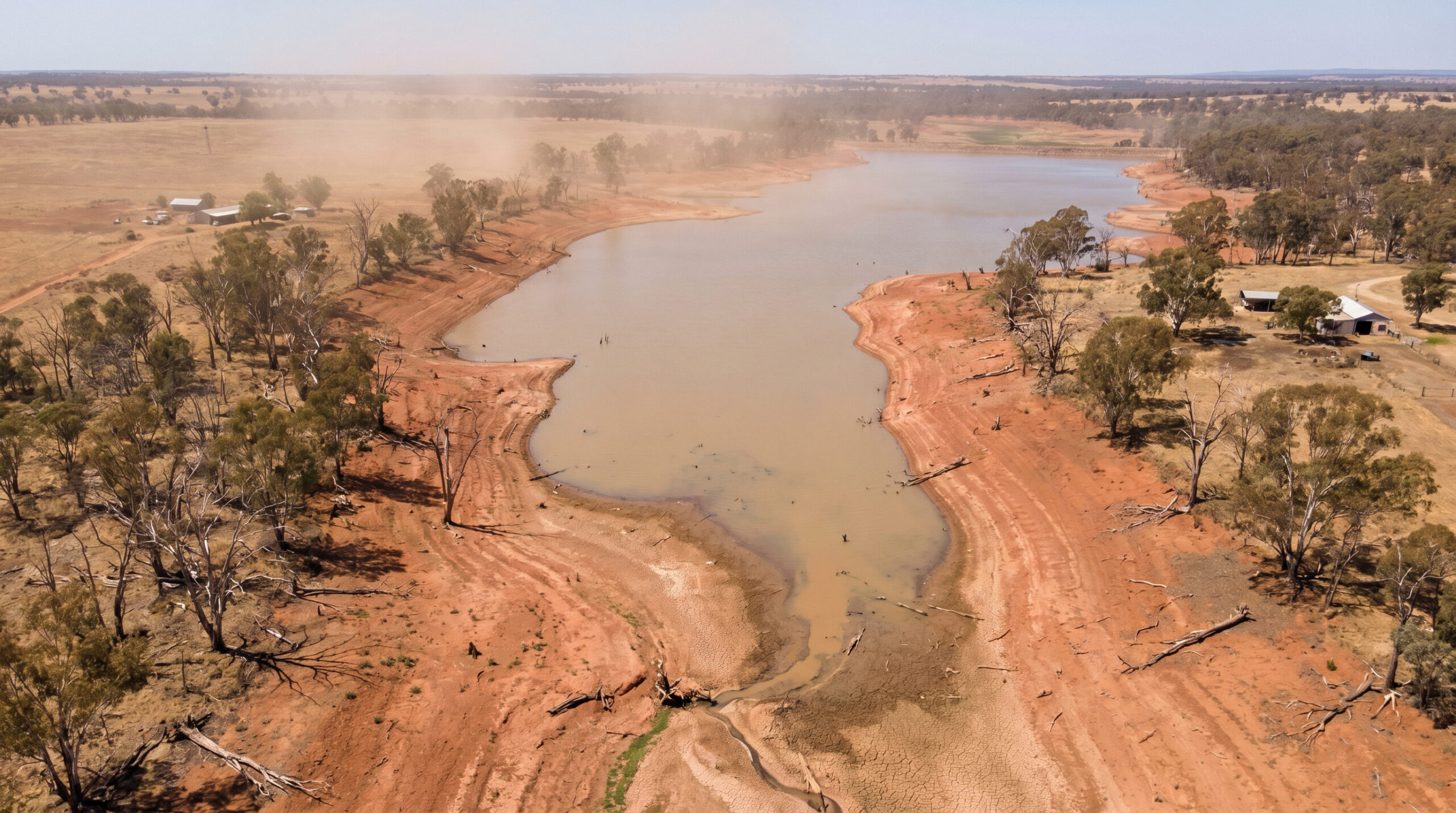
Water is one of our planet’s most precious resources, and its availability plays a crucial role in sustaining life and supporting various activities. Australia, known for its vast and diverse landscapes, is no stranger to water scarcity challenges. In recent years, the country has been facing a concerning trend: declining dam levels accompanied by surging water usage. This blog post delves into the factors contributing to this issue, its implications, and potential solutions to address the water crisis.
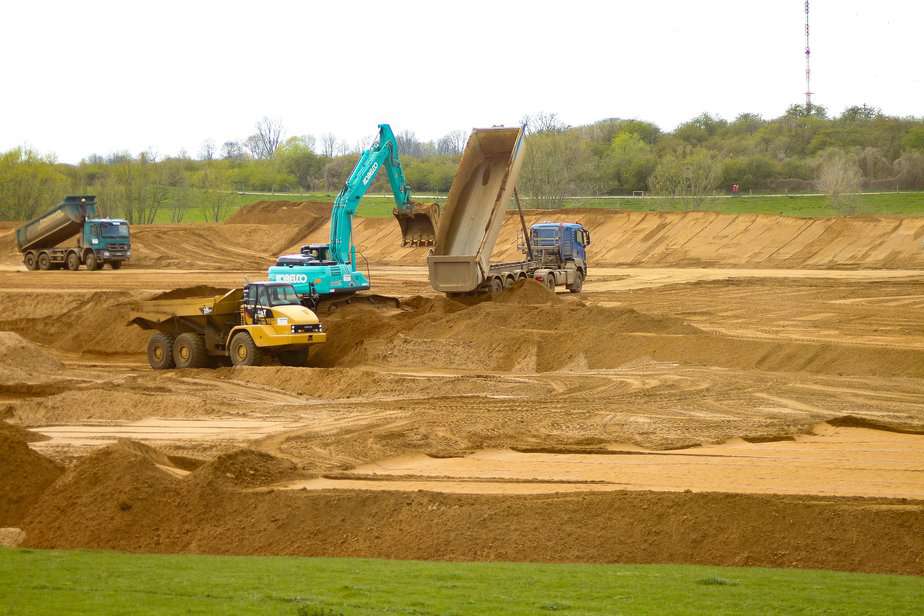
Dams are engineering marvels that have played a significant role in shaping the world we live in today. They provide essential services such as water supply, electricity generation, and flood control. However, their construction and maintenance can sometimes lead to catastrophic failures, resulting in some of the deadliest disasters in history. In this blog post, we will explore the ten worst dam disasters in history, highlighting the devastating consequences of these tragic events.

Dams are vital infrastructure that serve various purposes, from providing water supply and flood control to generating hydroelectric power. Ensuring the stability and safety of dams is of utmost importance to prevent catastrophic failures that can result in loss of life and property. One of the lesser-known but critical factors that can affect dam safety is static liquefaction. In this blog post, we will explore what static liquefaction is, its causes, and the potential consequences it could have on dams.
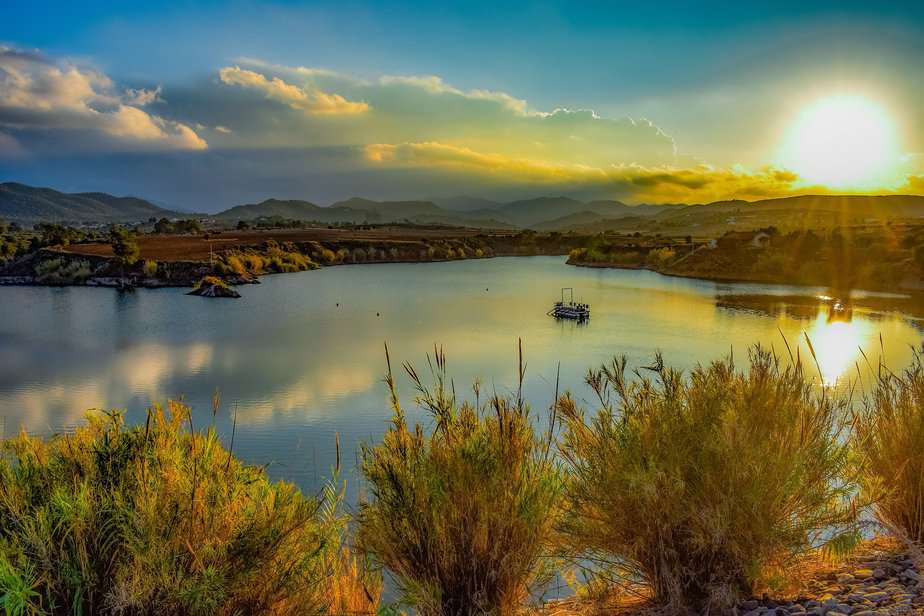
In a significant victory for indigenous custodians and environmental advocates, plans to raise the wall of the Warragamba Dam in New South Wales (NSW), Australia, have been officially scrapped. This decision, which would have aimed to protect approximately 140,000 residents from potential floods, has been met with praise from those who have long fought to preserve the cultural and environmental significance of the area.

Australia is a land of stark beauty, known for its diverse landscapes, unique wildlife, and vibrant cities. However, beneath this captivating exterior lies a pressing issue that threatens the nation’s very survival: its perilous water future. This blog post explores the challenges Australia faces in managing its water resources and the critical steps needed to secure a sustainable water future for generations to come.

Farmers and environmentalists alike have long been concerned about the environmental impact of farm dams, especially regarding their potential to release greenhouse gases into the atmosphere. Recent studies, however, have begun to cast doubt on this presumption. Surprisingly, emerging evidence suggests that farm dams may function as carbon sinks, effectively trapping and storing carbon dioxide (CO2) and other greenhouse gases rather than emitting them. In this blog post, we will delve into this fascinating research and explore what it means for agriculture, the environment, and our understanding of carbon cycles.

Super absorbent polymers (SAPs) are remarkable materials with the ability to absorb and retain large amounts of liquid relative to their own mass. They have found a wide range of applications in various industries, including agriculture, hygiene products, and packaging. While SAPs offer numerous benefits, their production involves the use of specific chemicals and may have potential negative consequences for the environment. In this blog, we will explore how super absorbent polymers are made, the chemicals used in their manufacture, and the possible environmental implications associated with their production and use.
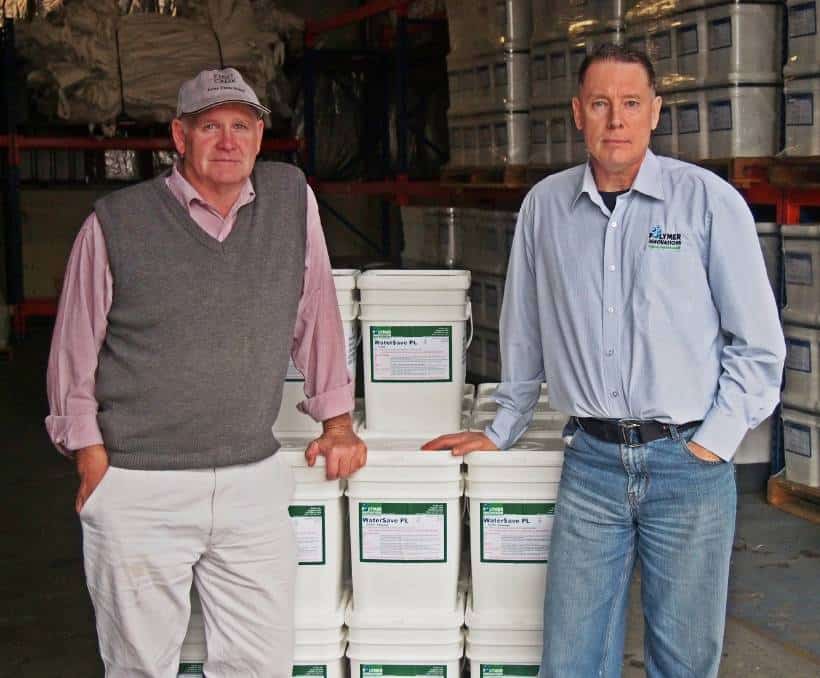
Polymer Innovations, the company behind the product ‘Watersave,’ has gained a reputation in recent years for its questionable business practices and the divisive nature of its flagship product. In this blog post, we’ll delve into the negative aspects of Polymer Innovations and why ‘Watersave’ has sparked controversy and skepticism among consumers and environmentalists alike.
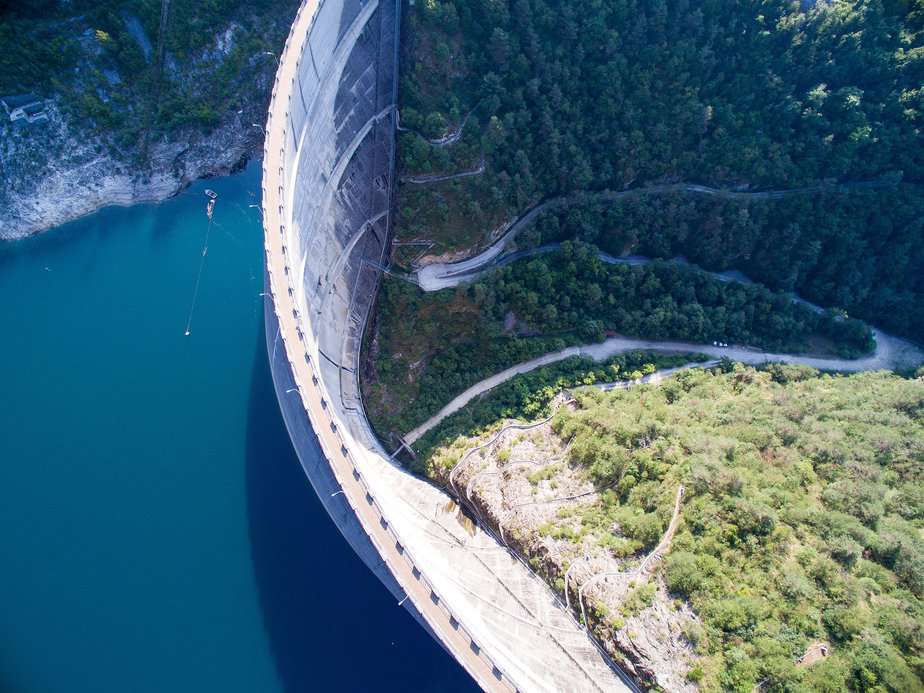
During the last El Niño event in Australia, major cities like Brisbane, Sydney, Canberra, and Melbourne faced significant water supply challenges. Now, with three wet La Niña years behind us, the question arises: are we better prepared for future droughts? The answer is a bit nuanced, and we’ll use Sydney as an example to illustrate the situation.

The decision to expand an existing farm dam is a significant step in the strategic development of agricultural resources. Whether the goal is to increase water capacity for irrigation, improve ecosystem habitats, or simply to enhance the aesthetic value of the property, the project requires careful planning, understanding of environmental regulations, and practical execution strategies. In this guide, we will explore crucial steps and considerations involved in expanding a farm dam effectively and responsibly.
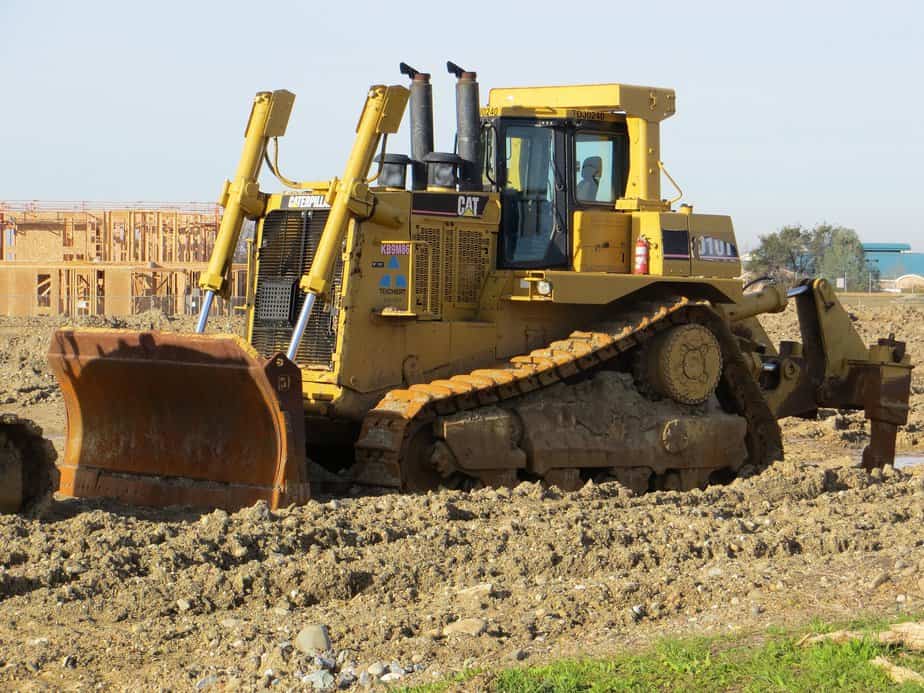
Earth dams are essential structures that play a crucial role in managing water resources, preventing floods, and providing a sustainable source of water for various purposes. Building a robust earth dam requires the expertise of skilled professionals who understand the complexities of earthworks and dam construction. Choosing the right earth dam builder is a critical decision that can impact the dam’s safety, longevity, and functionality. In this blog post, we will explore the key factors to consider when selecting an earth dam builder to ensure a successful and reliable project.

One common issue that has plagued dams over the years is leakage. Dam leakage occurs when water seeps through or around the dam structure, potentially compromising its stability and safety. In this blog post, we’ll delve into the factors that contribute to dam leakage, the risks associated with it, and the measures taken to address this challenging problem.

Trees are often celebrated for their role in promoting environmental health, providing oxygen, and offering habitats for various species. However, when it comes to trees growing on dam walls, the situation can take a different turn. While it may seem counterintuitive, trees on dam walls can have detrimental effects on the environment and the infrastructure itself. In this blog post, we will explore eight reasons why trees on dam walls are bad and why their removal is often necessary.
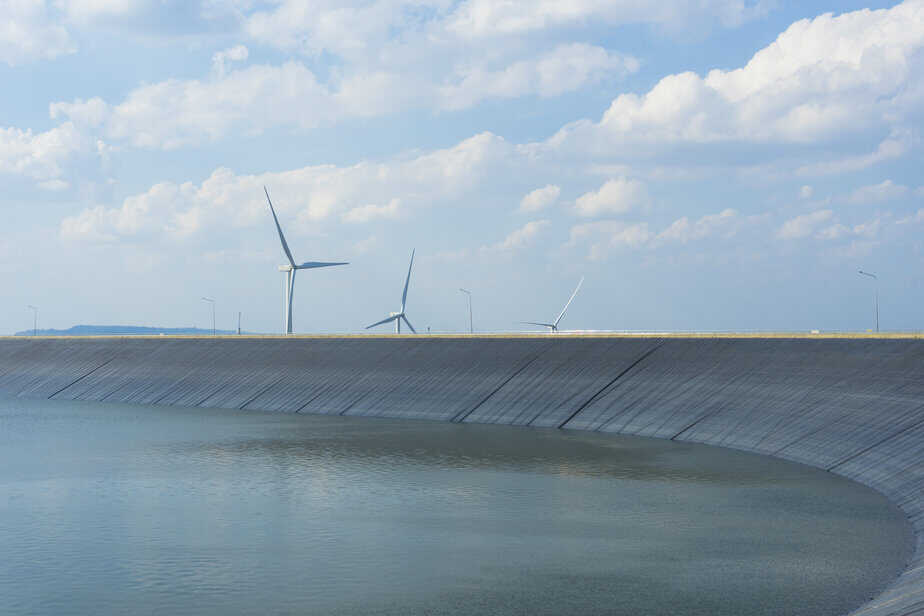
While liners for dams are sometimes viewed as a solution to seepage and environmental concerns, they come with a host of disadvantages and challenges.
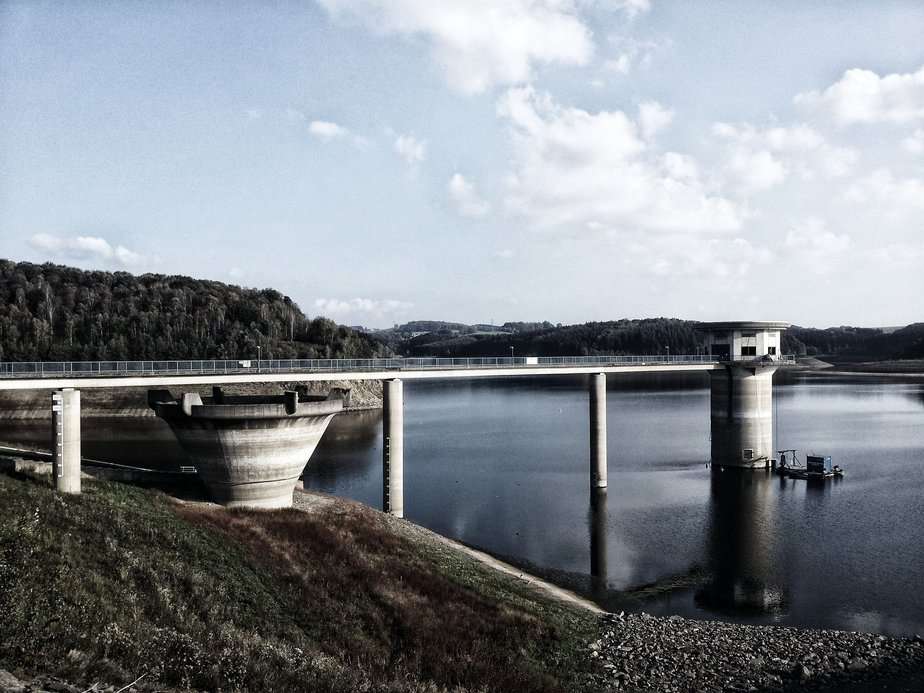
The ten largest dams in the world showcase the remarkable achievements of engineering and the importance of water management in modern society.
Dams are engineering marvels that have been vital to human civilization for centuries. They serve various purposes, from flood control to water supply and hydroelectric power generation. In this blog post, we will embark on a journey to discover the ten largest dams in the world. These massive structures stand as a testament to human ingenuity and our ability to harness the power of water for the benefit of communities and nations.
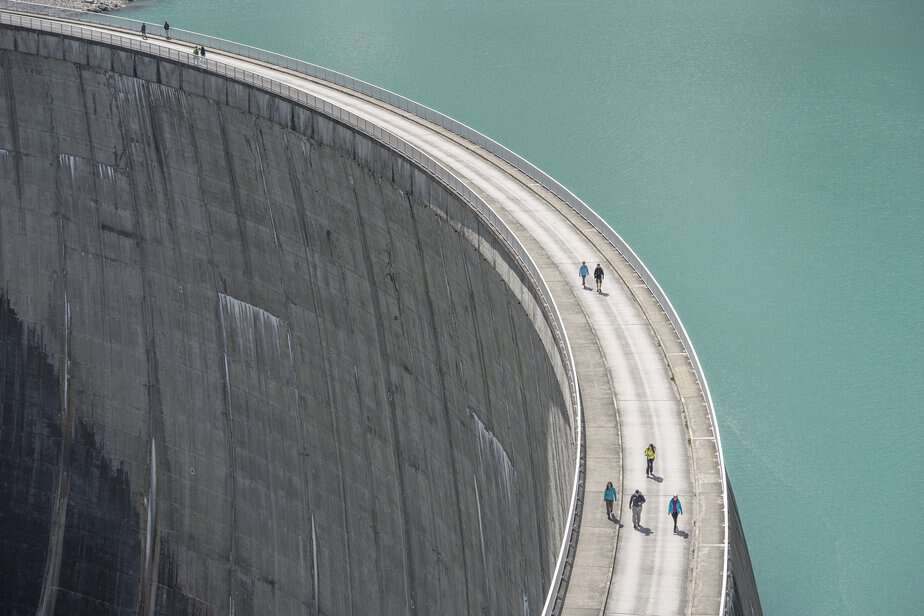
Australia’s vast and diverse landscape is dotted with numerous dams that serve essential functions in water supply, agriculture, hydroelectric power generation, and more.
Australia is a vast and diverse country, known for its stunning natural landscapes. Among its remarkable features are its dams, engineering marvels that serve various purposes, including water storage, irrigation, and hydroelectric power generation. In this blog post, we will take a closer look at the ten largest dams in Australia, highlighting their significance, capacity, and the role they play in the country’s development.
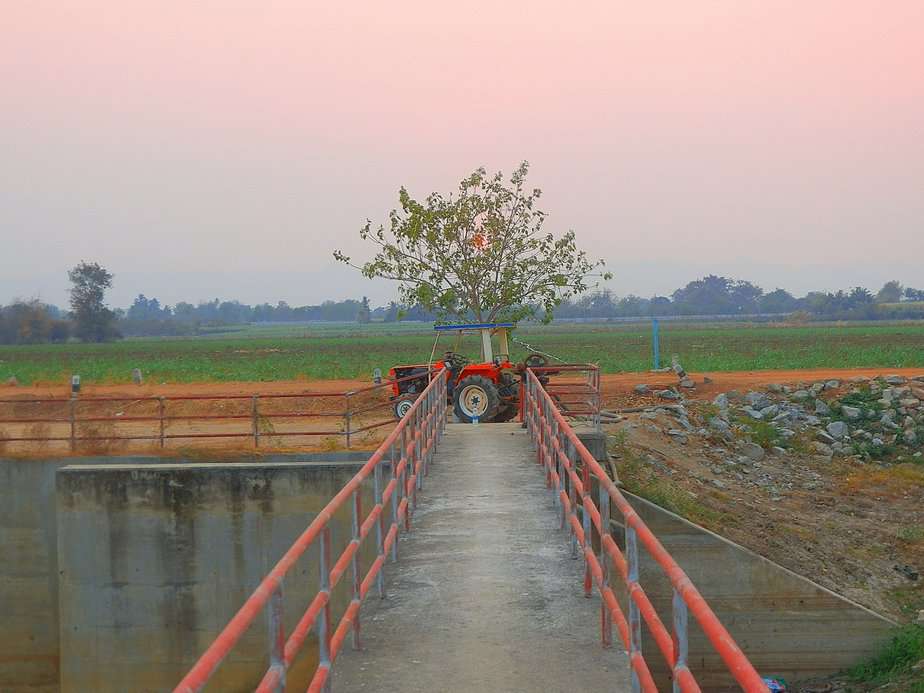
Australia, known for its vast landscapes and unique wildlife, is also a global agricultural powerhouse. Behind the scenes of this agricultural success story lies an essential, often overlooked feature: farm dams. These water reservoirs are the lifeline of Australian agriculture, playing a crucial role in sustaining crops and livestock. In this blog post, we’ll delve into the fascinating world of farm dams in Australia, exploring their numbers, significance, and the challenges they face.
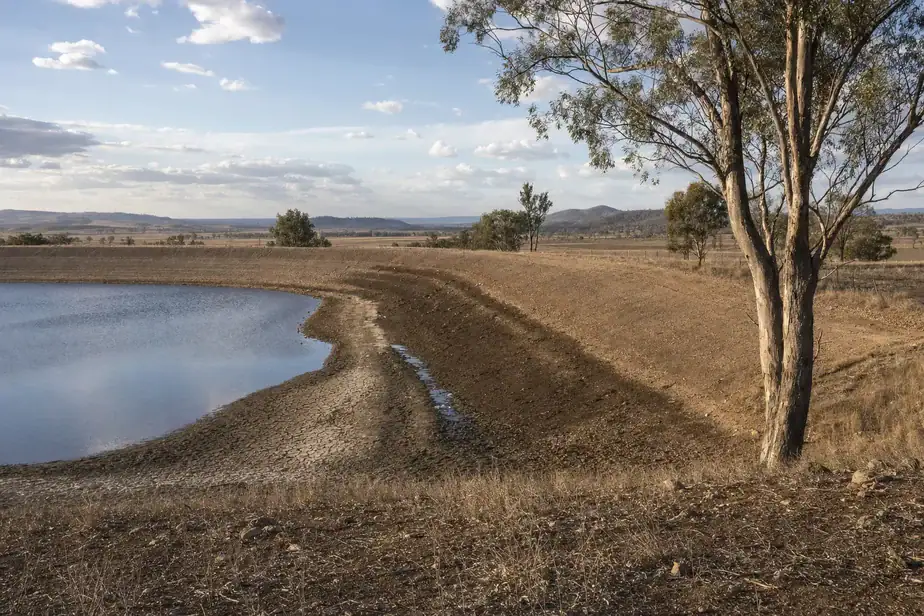
Note: Polymer Innovations have twice threatened to sue me for defamation because I write about my long experience with their disappointed customers and their products. You can read about their threats here
A leaking dam can be a significant cause of concern for landowners. The loss of precious water resources and potential damage to the surrounding ecosystem can lead many to seek quick fixes. Polymer sealers, often marketed as a solution to dam leakage, promise a straightforward remedy. However, the reality is more complex. In this blog post, we’ll explore why polymer sealers may not work as expected when your dam is leaking and offer insights into alternative solutions for dam repair.

Imagine having a pristine, inviting oasis in your own backyard, where crystal-clear waters shimmer under the sun, and native plants thrive harmoniously with aquatic life. You don’t have to dream any longer; you can turn your existing dam into a stunning natural pool. Natural pools, also known as swimming ponds, provide a chemical-free, eco-friendly alternative to conventional swimming pools. In this blog post, we will guide you through the steps to create a natural pool from a dam and bring the beauty of nature right to your doorstep.
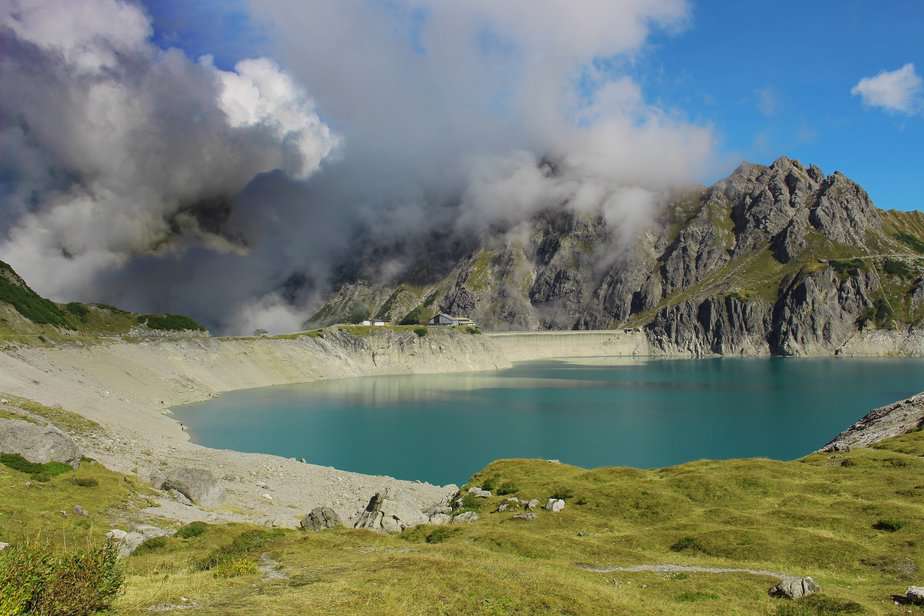
Earth dams play a vital role in water management, agriculture, and environmental conservation. These structures, however, are not immune to breaches, which can lead to devastating consequences. Repairing a breached earth dam wall is a complex task that demands careful planning, technical know-how, and a commitment to safety and environmental responsibility. In this comprehensive guide, we will explore the steps and considerations involved in repairing a breached earth dam wall, ensuring the restoration of this essential structure.
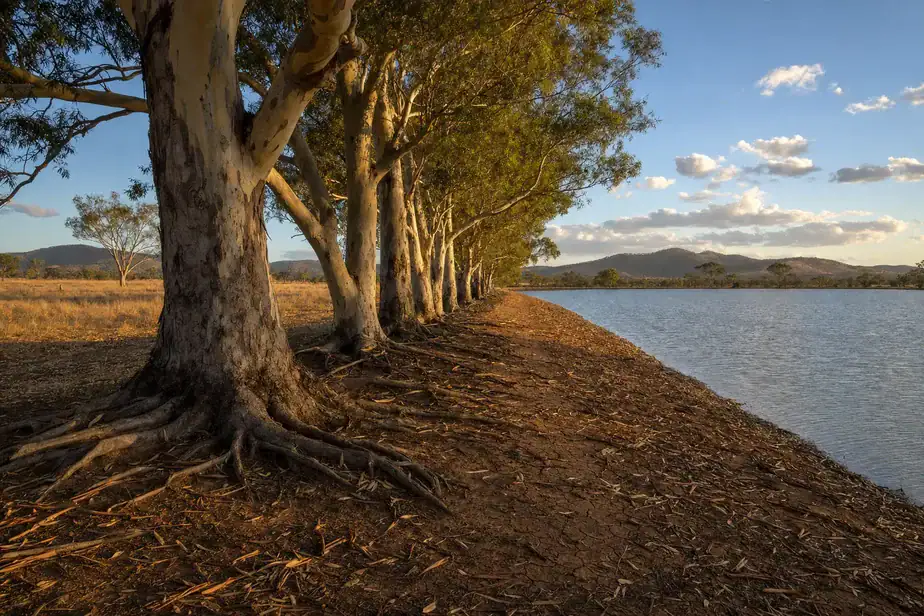
Dams are critical infrastructure that serves various purposes, from flood control to electricity generation and water supply. While dams are engineering marvels designed to withstand nature’s forces, there’s an unlikely adversary that can wreak havoc on these structures: trees. In this blog post, we’ll explore the unexpected challenges posed by trees to dams and understand why they are considered problematic.

In an era marked by climate change and water scarcity, innovative solutions are essential to address the looming challenges. Among the many technological advances geared towards water conservation, one stands out due to its simplicity yet profound impact: evaporation balls, commonly referred to as “shade balls.”
But what exactly are evaporation balls? And how do they function? In this post, we’ll dive deep into the concept, mechanism, and the potential impact of these ingenious spheres.
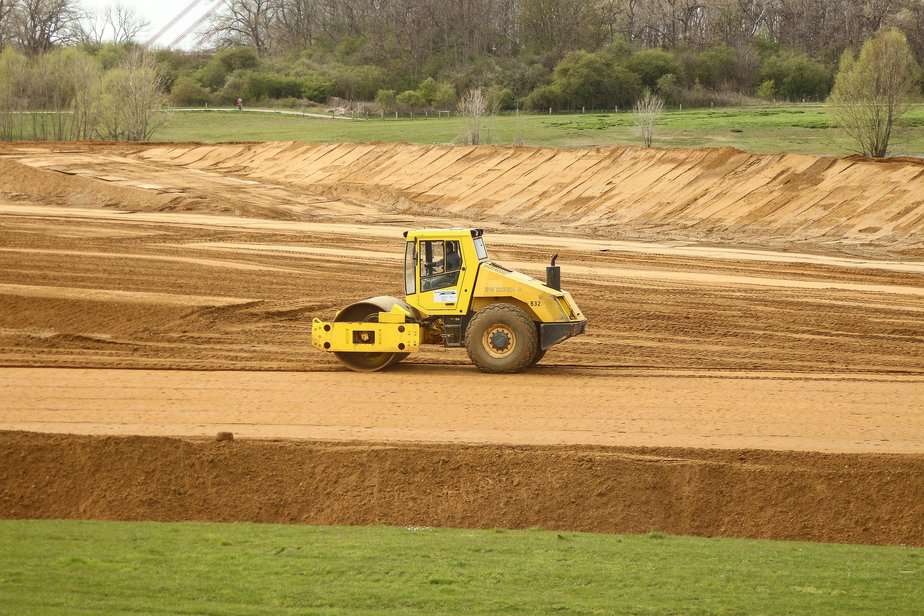
Earth dams on farms represent the age-old human endeavour to harness nature for sustenance.
Farming has always been at the intersection of human ingenuity and nature’s bounty. With the ever-growing demand for food and agricultural products, farmers constantly seek innovative ways to maximize productivity. One such method, prevalent across varying scales of farming, is the use of earth dams. These structures provide a reliable source of water for irrigation, livestock, and in some cases, even aquaculture. However, with increasing concerns about environmental sustainability, it’s vital to ensure that these dams are not only serving our agricultural needs but are also aligned with sustainable water management principles.

When one envisions the massive structures that hold back water, allowing for electricity generation, agricultural irrigation, and even recreation, the immense benefits of dams come into focus. Specifically, earth dams, made primarily of natural materials, are perceived as more ‘eco-friendly’ alternatives to their concrete counterparts. However, is this truly the case?
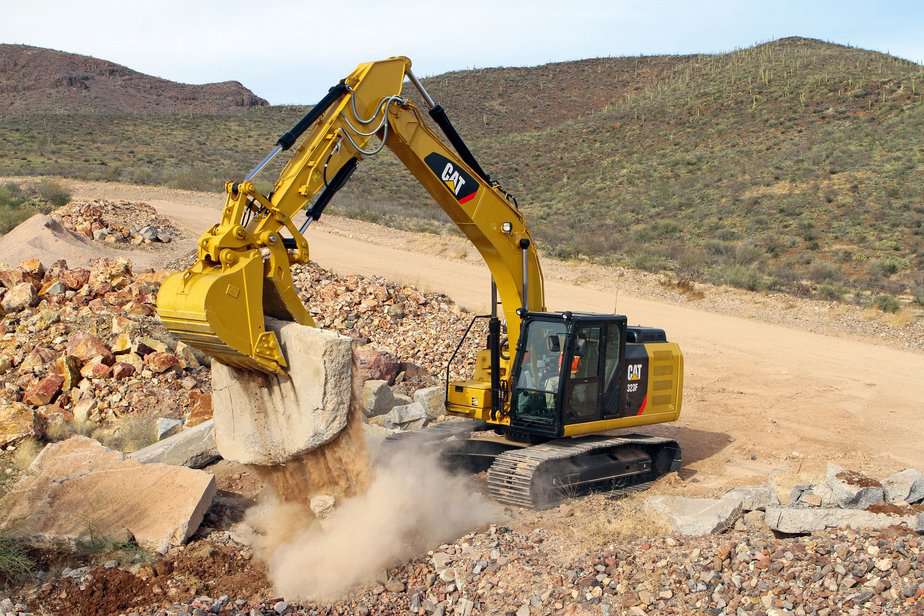
Dams are marvels of engineering. They provide a myriad of benefits like water storage, electricity generation, flood control, and even recreational opportunities. However, the construction of a dam is a complex process that requires meticulous planning, engineering expertise, and strict adherence to safety protocols. Let’s delve into the most common mistakes encountered in dam construction.

Dams, those colossal structures that alter the flow of rivers, have been pivotal in human civilization’s progress. They have been employed for numerous reasons – water supply, electricity generation, flood control, and recreation. However, the significance of a dam’s depth is a topic that often goes unnoticed. But why is depth such an important feature in dam design and functionality? Let’s dive in.
Water plays a pivotal role in sustaining all forms of life on Earth, including human civilization. As the most essential resource, water impacts various aspects of our society, from agriculture and industry to health and sanitation. In this blog post, we will delve into the ten critical reasons why water is indispensable for the survival and prosperity of civilization.
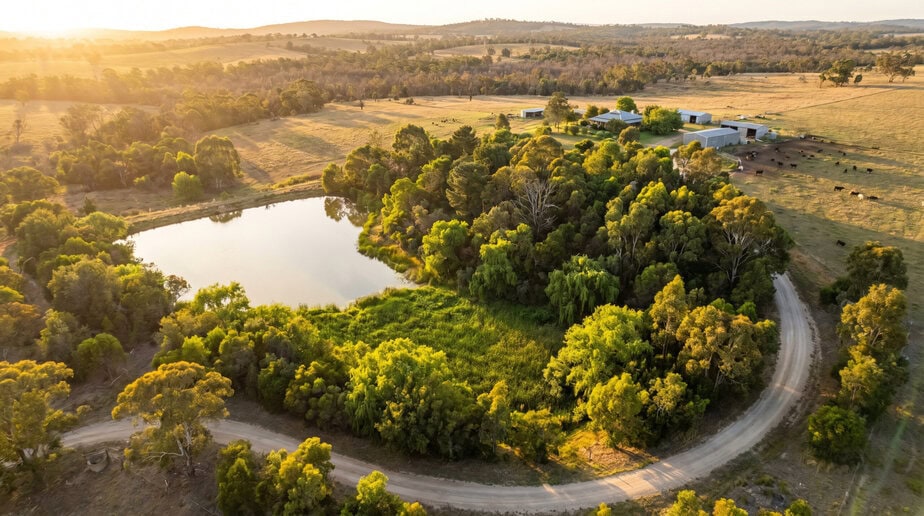
Farming is a delicate dance with nature, where every element of the environment plays a crucial role in crop and livestock management. One often-overlooked but essential aspect of farming is microclimate management. Microclimates refer to localized climate conditions within a larger area, and they can significantly impact crop growth, animal health, and overall farm productivity. In this blog post, we will explore the vital role that farm dams play in microclimate management on farms and how they contribute to sustainable and successful agriculture.
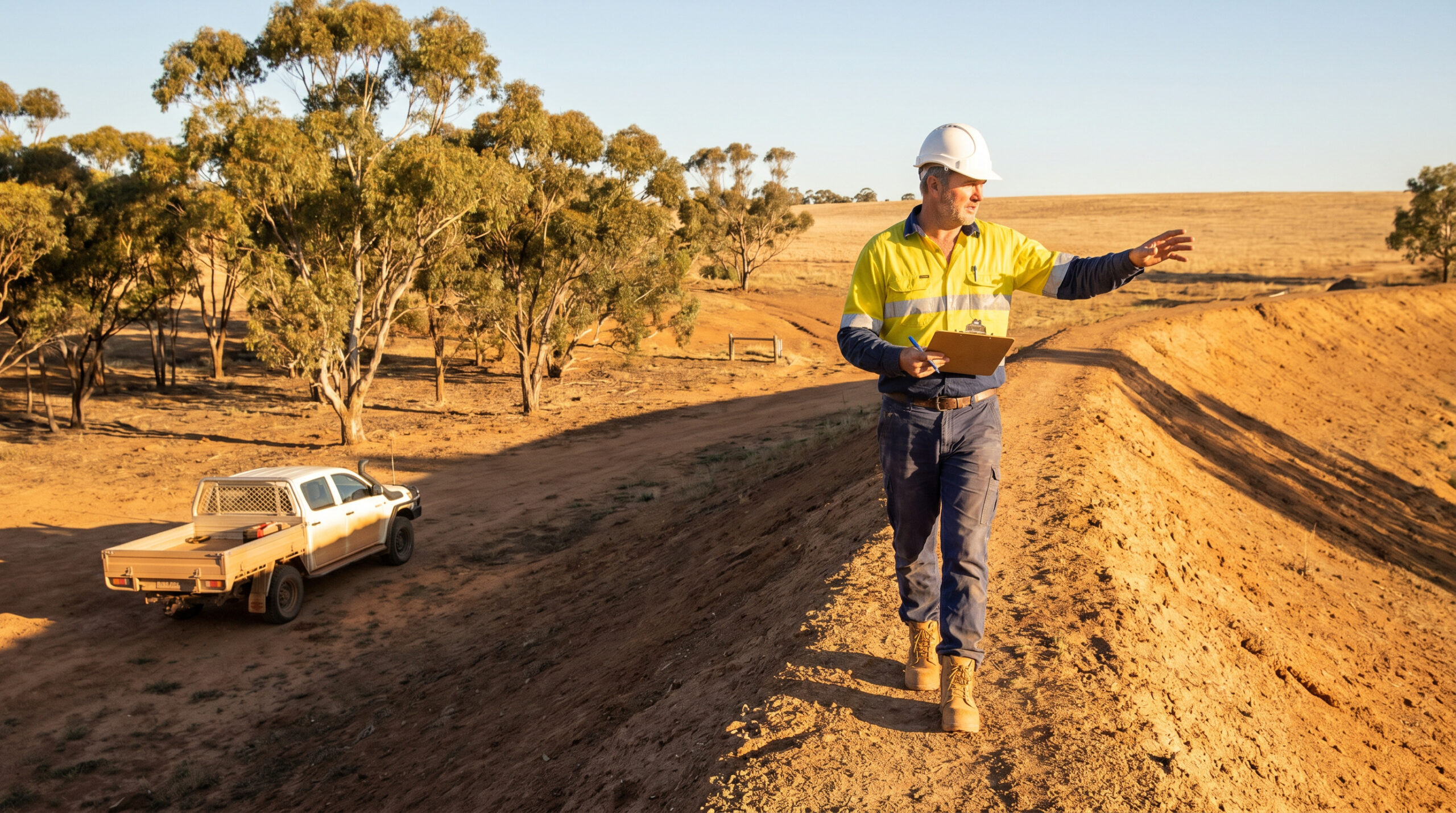
Dams are critical infrastructure that serve various purposes, from water supply to flood control and hydroelectric power generation. These structures are designed to withstand the test of time, but like any other infrastructure, they are not immune to wear and tear. Neglecting the maintenance and inspection of dams can lead to costly repairs, environmental disasters, and even loss of life. In this blog post, we will explore why investing just $500 in a site inspection of your dam can potentially save you thousands of dollars in the long run.

Climate change is causing shifts in weather patterns worldwide, leading to more frequent and severe droughts in various regions. These prolonged dry spells can have devastating consequences for agriculture, water supply, and ecosystems. To mitigate the impact of future droughts, it’s essential to be proactive and prepared. In this blog post, we’ll explore ten effective ways to prepare for the next seven years of droughts.

Water is an essential resource for life, and its scarcity during droughts can pose significant challenges to communities and individuals alike. To ensure water security in times of drought, having an adequate water storage system in place is crucial. But how much water do you actually need in storage to achieve this level of security? In this blog post, we will explore the various factors and calculations required to determine the right amount of water you should store to withstand a drought effectively.

As the global population grows and the demand for water and energy increases, the construction of dams has often been seen as a solution. Dams serve several purposes – from storing water and flood control to generating hydroelectric power. However, the environmental and social impacts of dams – including habitat destruction, displacement of communities, and changes to ecosystems – have led to growing concerns. As a result, alternatives to dam construction are being explored. Here are three sustainable alternatives to building a dam:

While its purple flowers are undeniably beautiful, the rapid growth and spread of this invasive plant can wreak havoc on dams and other water bodies. It impedes water flow, reduces sunlight penetration, depletes oxygen, and adversely impacts native species. With its potential to double its population in just two weeks, controlling water hyacinth is a priority for water resource managers. Here are six effective ways to manage this invasive species in dams:
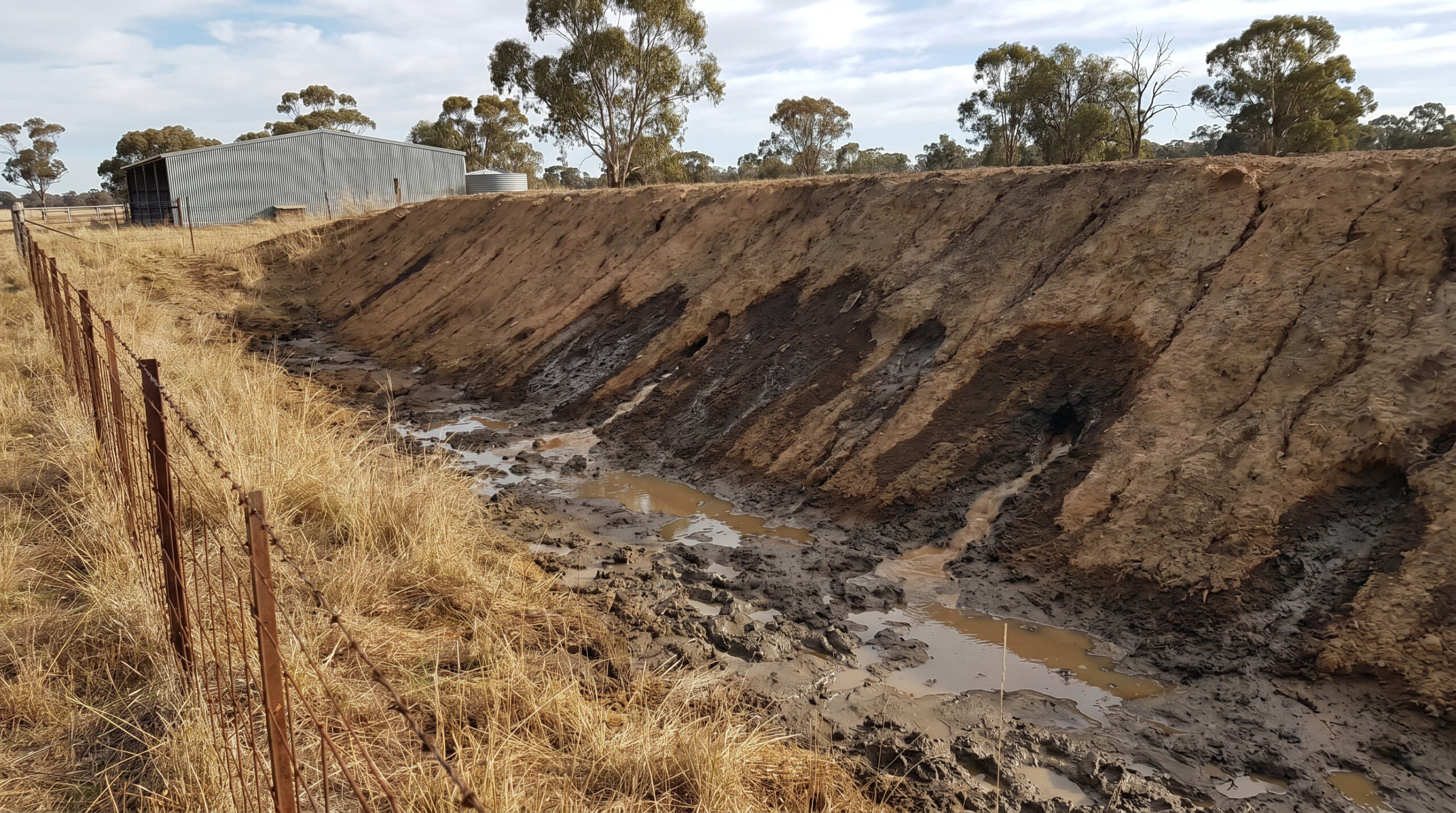
Dams are impressive feats of engineering. Designed to store or divert water, they play a pivotal role in generating electricity, providing irrigation, controlling floods, and more.
However, like all man-made structures, dams are not impervious to wear and tear. Leaks are one of the major concerns when it comes to dam safety. A small leak, if unchecked, can escalate into a serious threat.
Here are seven reasons why a dam might leak…

Constructing a dam is no small feat, and one of the most critical steps in ensuring its effectiveness is proper sealing. Dams, especially earthen ones, require an impervious barrier to prevent water seepage, which could weaken the structure and reduce its water storage capacity. Clay, with its fine particles and unique plasticity, has been used as a sealing material for centuries. But not all clays are created equal. In this article, we delve into the right types of clay to use when sealing a new dam.
In the world of agriculture, the management of water resources is synonymous with the heartbeat of life itself. The inherent value of water is recognized universally, but perhaps nowhere is it more profoundly understood than on a farm.
The farm dam, a structure that might seem rudimentary, plays a pivotal role in fostering sustainable agriculture practices, notably in the management of runoff and stormwater. In this discourse, we explore the role and significance of farm dams in managing these water resources, illustrating how they contribute to ecological balance and agricultural productivity.

Water is the most essential resource we need to survive. With increasing global challenges, such as changing weather patterns, growing populations, and depleting resources, water security has become a critical issue for many.
As responsible individuals, ensuring a consistent, clean, and adequate water supply for our families should be a top priority. Here’s a comprehensive guide on eight steps you can take to achieve water security for your family:
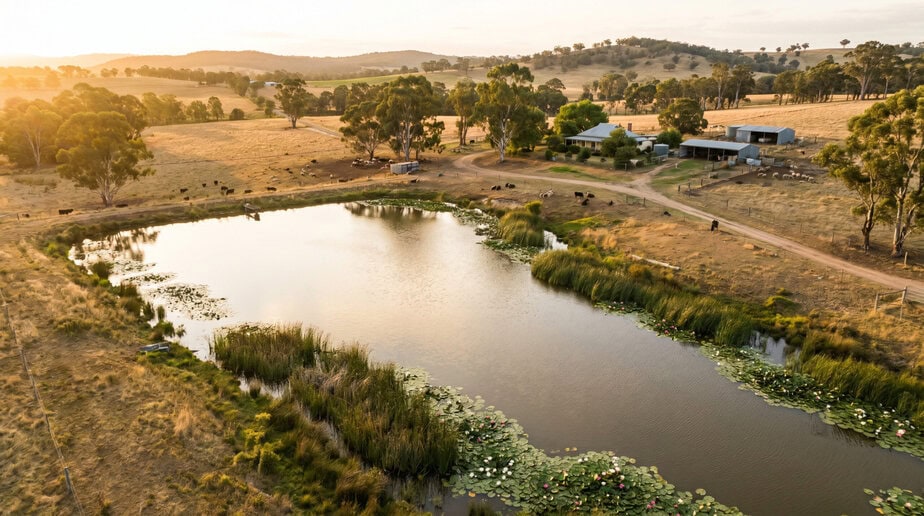
Building a dam delivers water security, livestock supply, irrigation, fire protection and capital value. The 10 real benefits of a farm dam — plus the trade-offs.
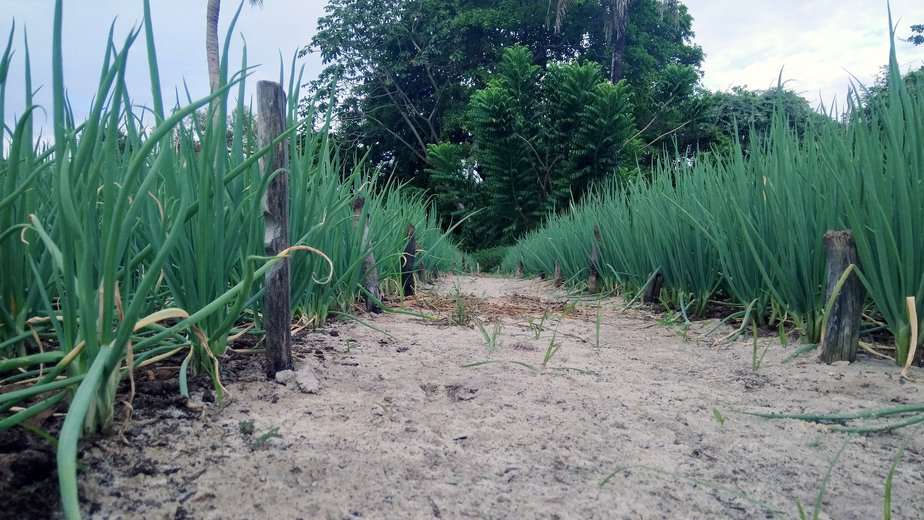
In the realm of sustainable and regenerative farming practices, Hugelkultur stands out as an innovative and effective technique. Rooted in centuries-old wisdom, Hugelkultur is a method that utilizes wood and organic matter to create raised beds with exceptional water retention and fertility. In this blog post, we delve into the concept of Hugelkultur and provide 19 practical tips for integrating it into your farm, transforming your land into a thriving oasis of productivity.
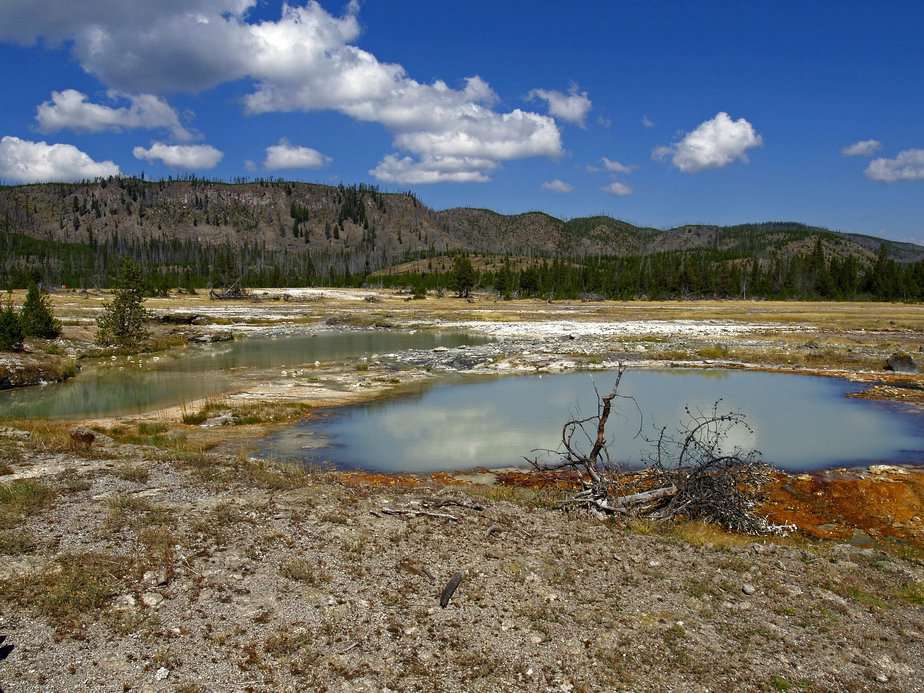
Farm dams are vital for irrigation, livestock watering, and flood control in rural areas, but they require erosion control.
Without proper erosion control measures, these essential water bodies can become sources of environmental degradation and soil erosion. Erosion not only affects the structural integrity of the dam but also leads to sedimentation in water bodies downstream. To ensure the longevity and effectiveness of your farm dams, implementing erosion control measures is crucial. Here are 10 tips to help you effectively manage erosion around your farm dams.
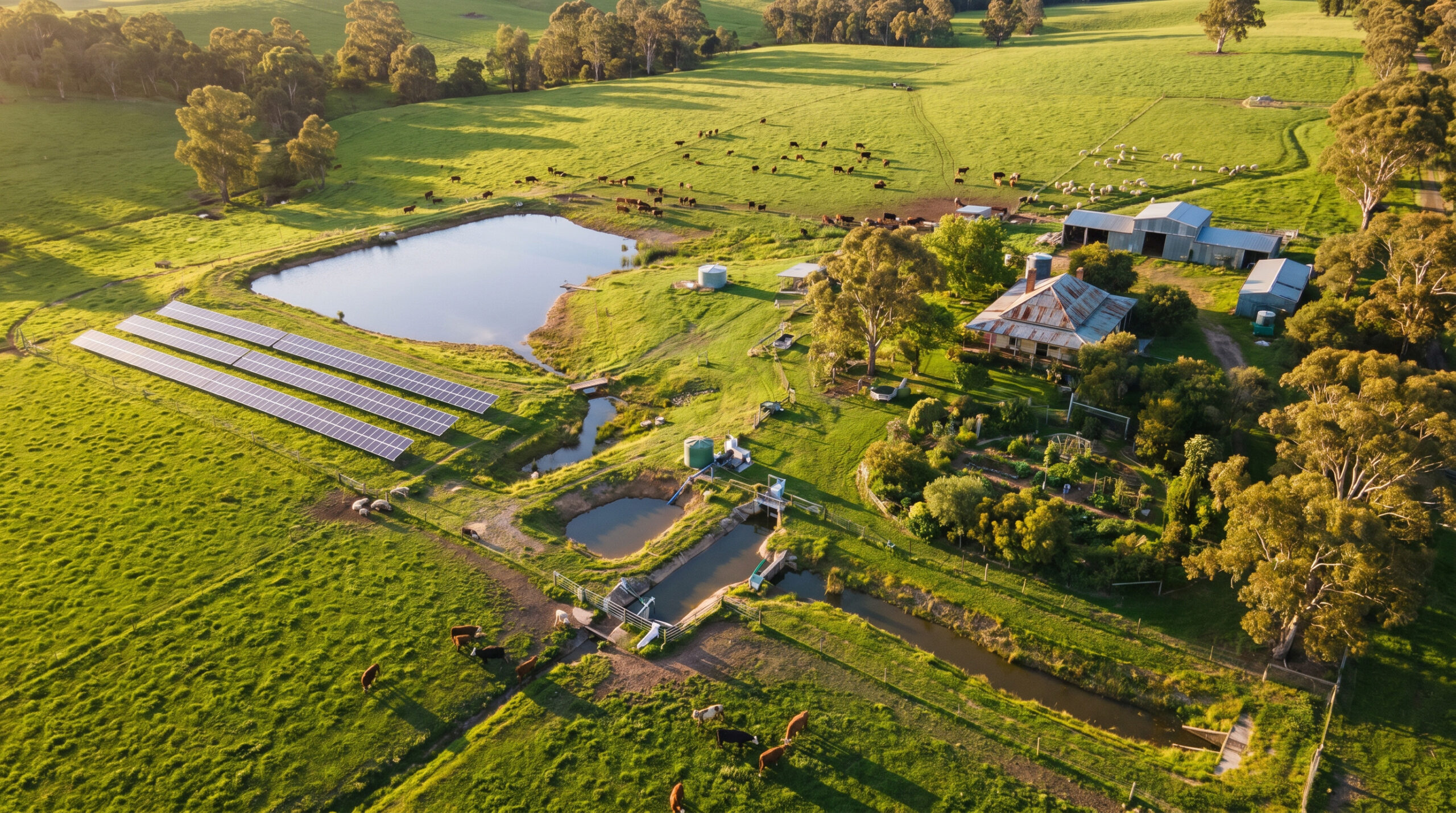
In an era of growing environmental concerns and changing climate patterns, it’s more important than ever for farmers to adopt sustainable water management practices. By incorporating effective water planning strategies, farms can ensure efficient water usage, safeguard resources, and contribute to the well-being of the environment. In this blog post, we’ll explore eight essential tips for implementing sustainable water planning on farms.
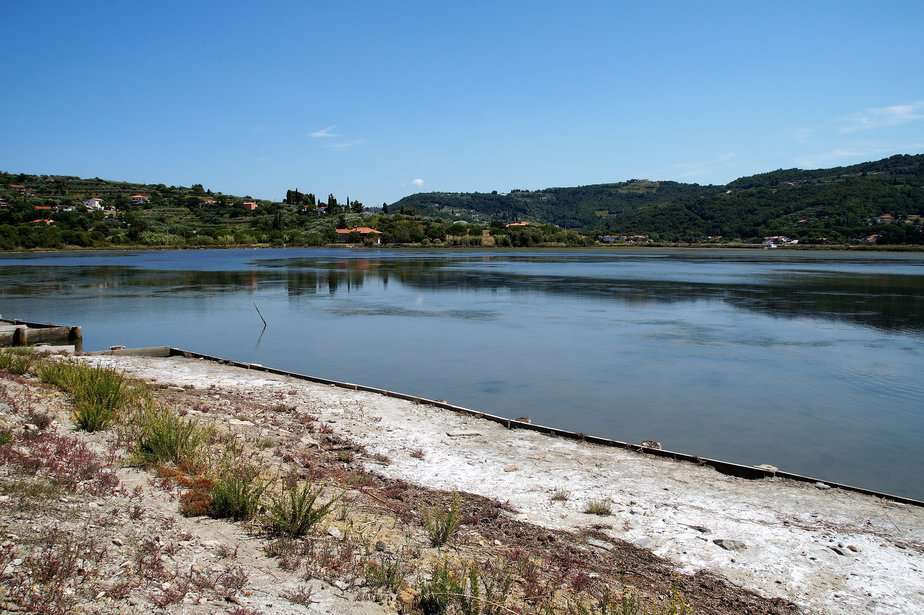
Dams play a critical role in water resource management, providing water for irrigation, drinking, power generation, and other essential needs. However, one of the major challenges dams face is evaporation, which leads to significant water losses over time. As climate change and water scarcity become more pressing concerns, it’s essential to adopt strategies that minimize evaporation losses from dams. In this article, we’ll explore eight effective ways to tackle this issue and optimize the water storage capacity of dams.

As the global climate continues to evolve, the frequency and intensity of extreme weather events are on the rise. This presents a pressing need to reevaluate and adapt critical infrastructure like dams to ensure their resilience in the face of these changes. Dams are essential structures that provide water storage, flood control, and hydropower generation. In this article, we’ll explore the key considerations and strategies for adapting dam design to climate change, ensuring their functionality and safety in an increasingly uncertain future.

In an era of growing water scarcity and climate change, adopting water-wise farming practices has become more critical than ever. Water-wise farming not only ensures the sustainability of agricultural operations but also contributes to overall water security. In this blog post, we will explore ten essential tips for farmers to implement water-efficient practices and secure their water resources for a resilient and productive future.

As concerns about environmental sustainability continue to grow, the need for innovative and eco-conscious engineering practices becomes more evident. One area that holds tremendous potential for incorporating sustainable principles is dam design. Permaculture, a holistic approach to designing systems that are harmonious with nature, offers a unique framework that can transform conventional dam construction into environmentally friendly and resilient projects. In this blog post, we’ll explore how to integrate permaculture principles into dam design for a more sustainable future.
Water, often taken for granted as a readily available resource, is facing unprecedented challenges in today’s world. Just as Peak Oil has played a pivotal role in shaping economies and geopolitics, water is emerging as the next critical resource that could drive global dynamics.
While water covers about 71% of the Earth’s surface, only a small fraction of it is freshwater suitable for consumption. In this blog post, we will explore five compelling reasons why water is being likened to the next oil and why we should be paying attention to its growing significance.
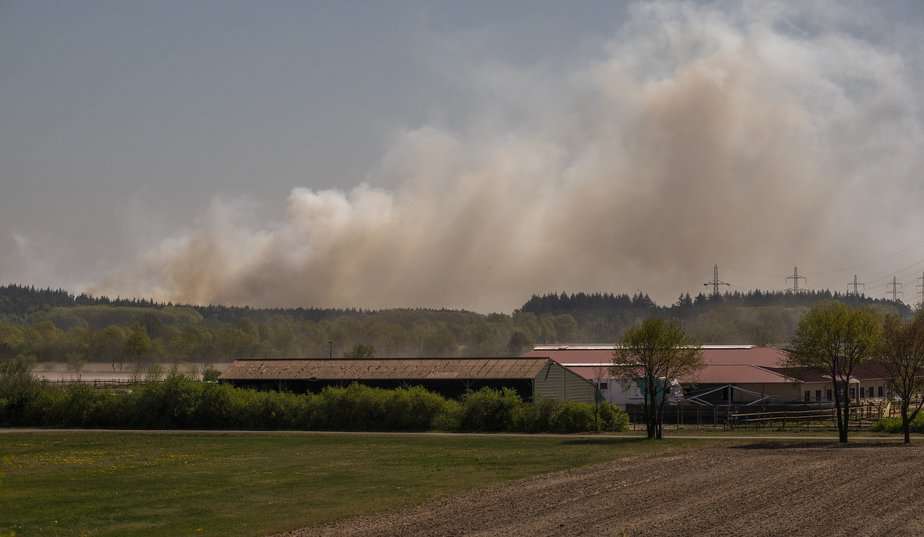
In an ever-changing world, where climate uncertainties and unexpected challenges can disrupt the regular flow of resources, being prepared for emergencies is crucial for the sustainability of agricultural operations. One of the fundamental components of emergency preparedness on a farm is the construction of a well-designed farm dam and efficient water storage systems. In this blog post, we will delve into the importance of farm dam construction, the benefits it offers to emergency preparedness, and the key considerations for creating a robust water storage solution.
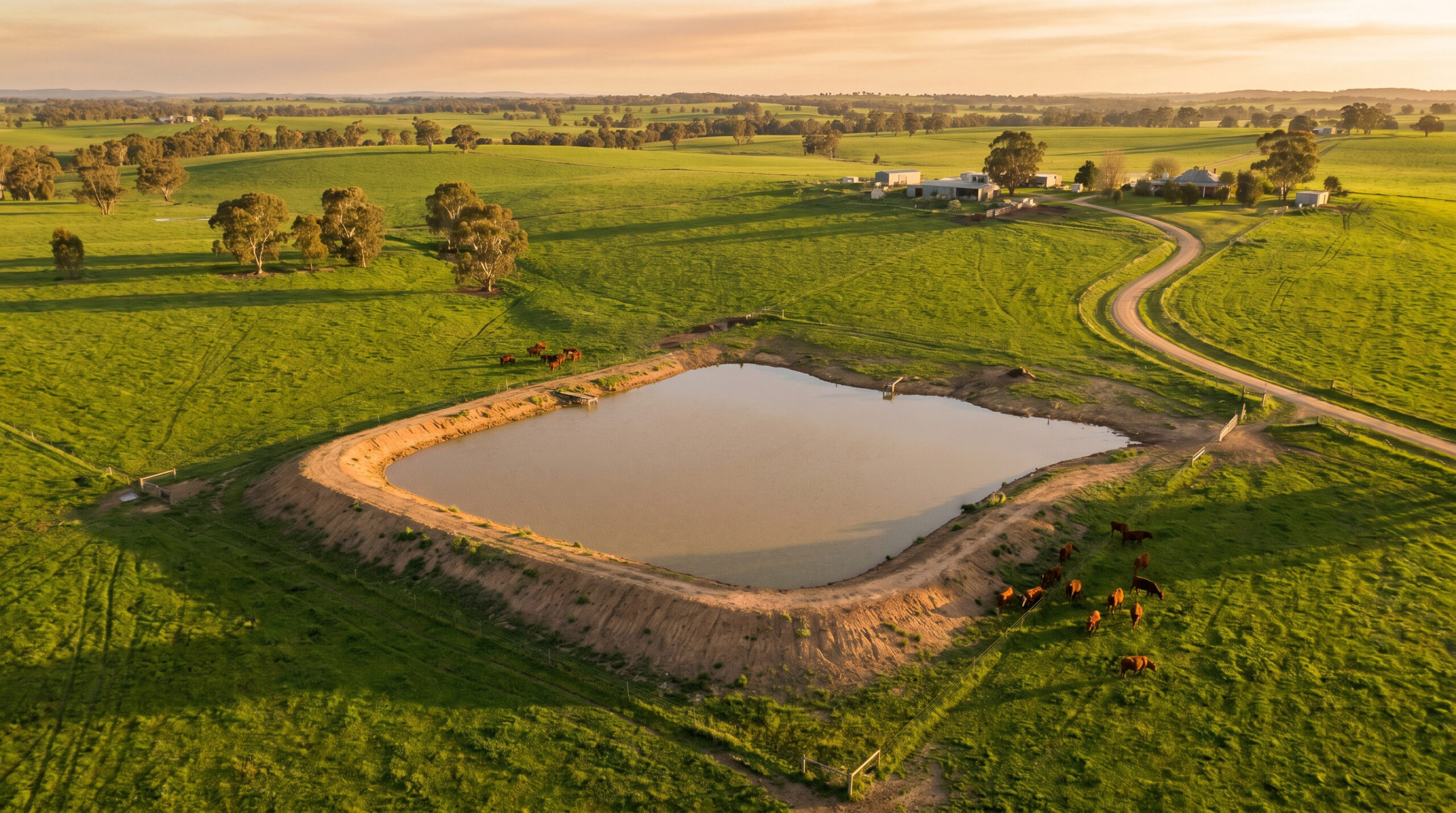
For small farm owners, a well-maintained farm dam is not only a vital water source but also a key component of the overall agricultural ecosystem. Proper farm dam maintenance ensures a reliable water supply for crops, livestock, and other agricultural activities. Neglecting dam upkeep, on the other hand, can lead to costly repairs, reduced efficiency, and potential environmental consequences. In this blog post, we will explore essential tips and guidelines to help small farm owners effectively maintain their farm dams, ensuring long-term functionality and sustainability.
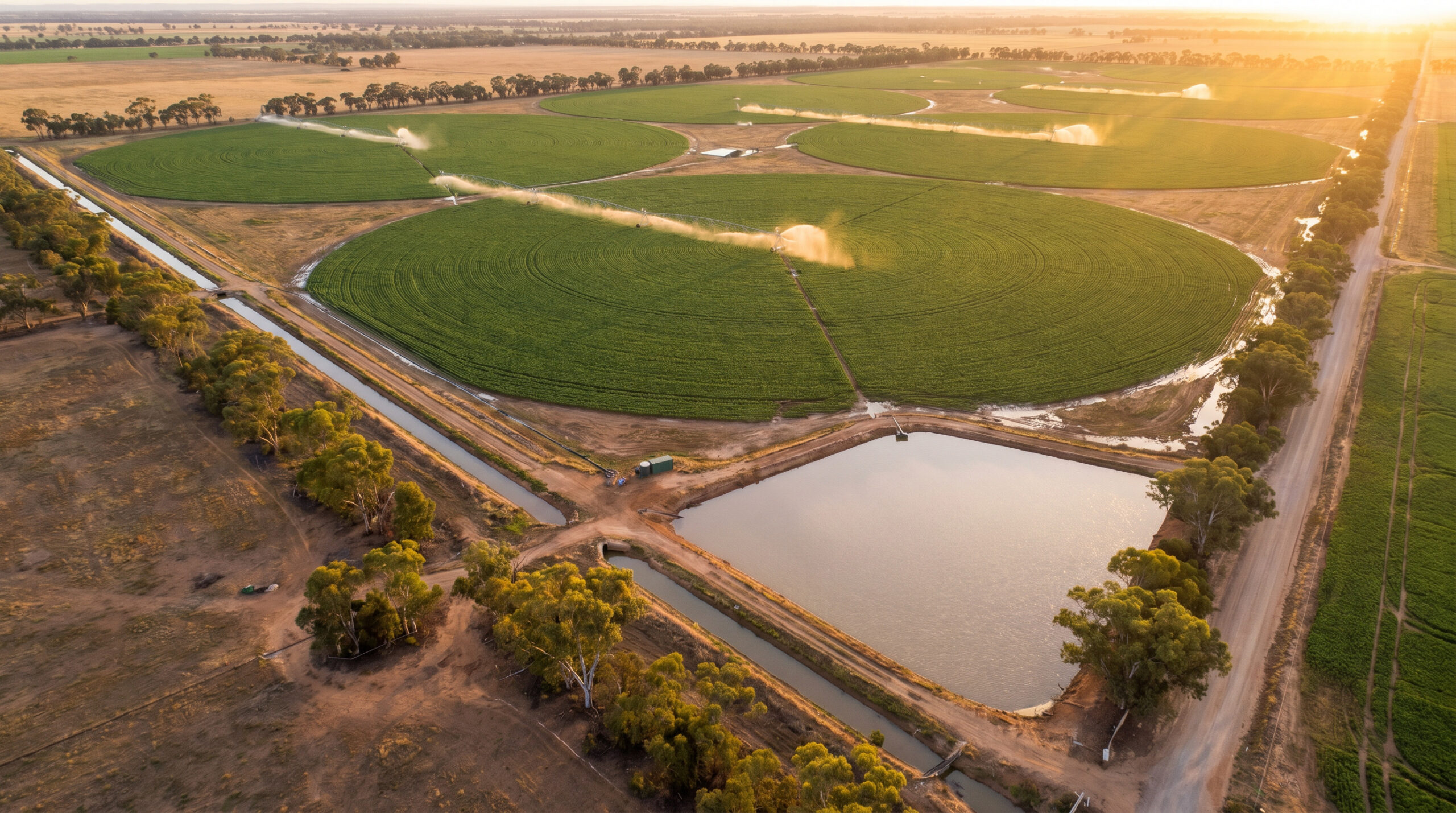
Efficient irrigation systems play a pivotal role in modern agriculture and landscaping. They ensure optimal water usage, minimize wastage, and contribute to sustainable resource management. Designing a super-efficient irrigation system requires careful planning, knowledge of the landscape, and the utilization of advanced technologies. In this guide, we will explore the key considerations and steps involved in creating irrigation systems that maximize water efficiency and promote healthy plant growth.
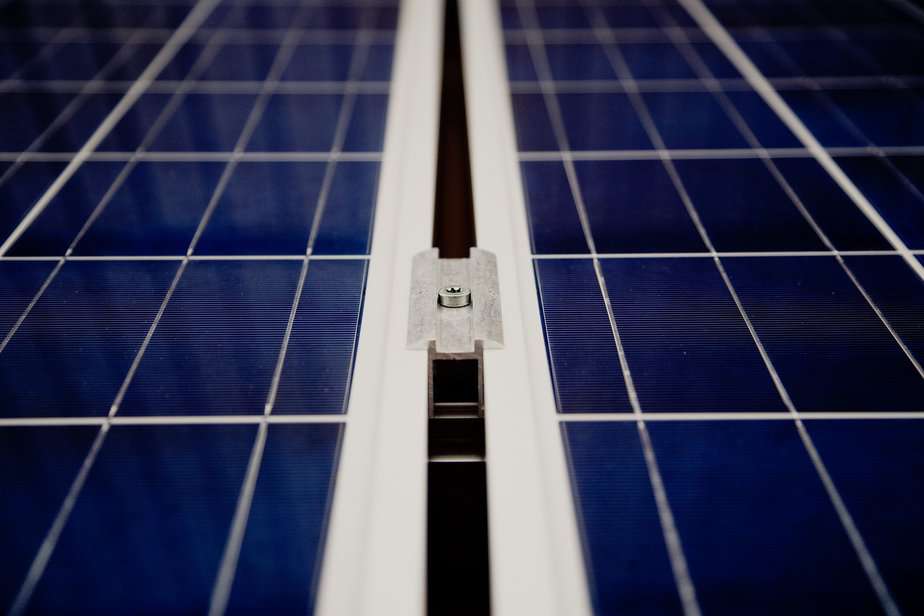
As the world seeks sustainable solutions to address the pressing challenges of climate change and energy consumption, innovative approaches that marry traditional agricultural practices with renewable energy sources are gaining prominence. One such symbiotic relationship is the integration of solar energy systems with farm dam infrastructure. This convergence not only aids in sustainable energy generation but also enhances water management and agricultural productivity. In this blog post, we delve into the benefits, considerations, and steps involved in seamlessly integrating solar energy systems with farm dam infrastructure.

Farm dams play a critical role in agricultural landscapes, serving as reservoirs for irrigation, stock watering, and other agricultural needs.
However, these dams also offer a unique opportunity to improve water quality and minimize environmental impacts on downstream ecosystems.

In the face of increasing global environmental challenges, the conservation of biodiversity has become more critical than ever before. While agricultural practices have often been associated with negative impacts on wildlife and ecosystems, farmers now have an opportunity to play a pivotal role in enhancing biodiversity on their lands. Farm dams, which are essential for irrigation and water storage, can also be transformed into thriving habitats for wildlife. In this blog post, we will explore the importance of enhancing biodiversity with farm dams and how farmers can create valuable ecosystems that support wildlife while still meeting their agricultural needs.

In farming communities, the construction of farm dams plays a crucial role in managing water resources, especially in regions with limited access to natural water bodies. However, building a farm dam in rocky terrain presents unique challenges that require innovative techniques and careful planning. Slopes are one of the primary concerns when constructing dams in rocky landscapes, as they can impact the dam’s stability and overall effectiveness. In this blog post, we will explore the techniques and challenges involved in farm dam construction in rocky terrain, with a specific focus on managing slopes.
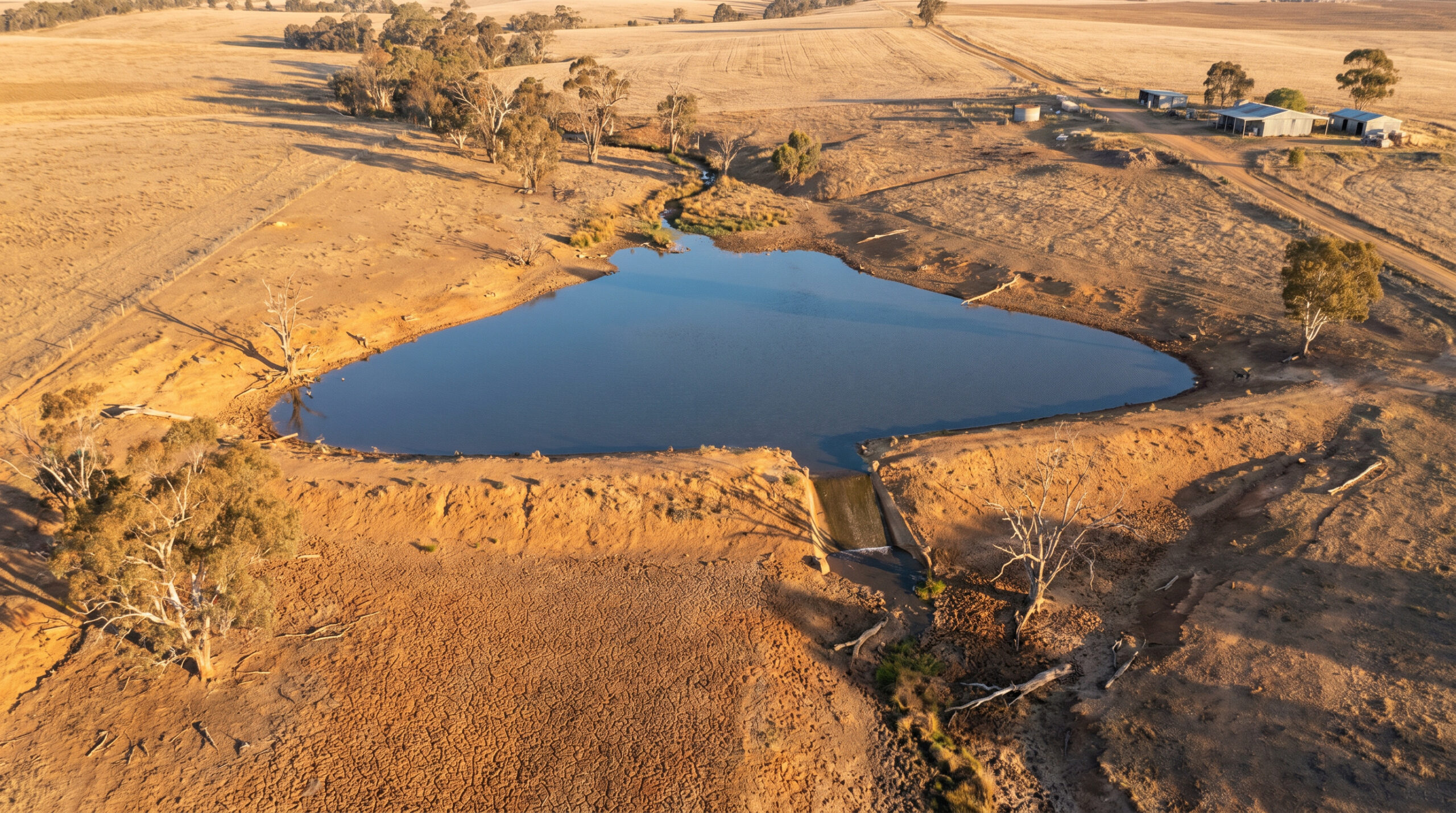
Droughts are natural phenomena that can have devastating effects on agriculture, particularly for small farms. As climate change intensifies, the frequency and severity of droughts are increasing, leaving farmers grappling with water scarcity and its impact on their livelihoods.
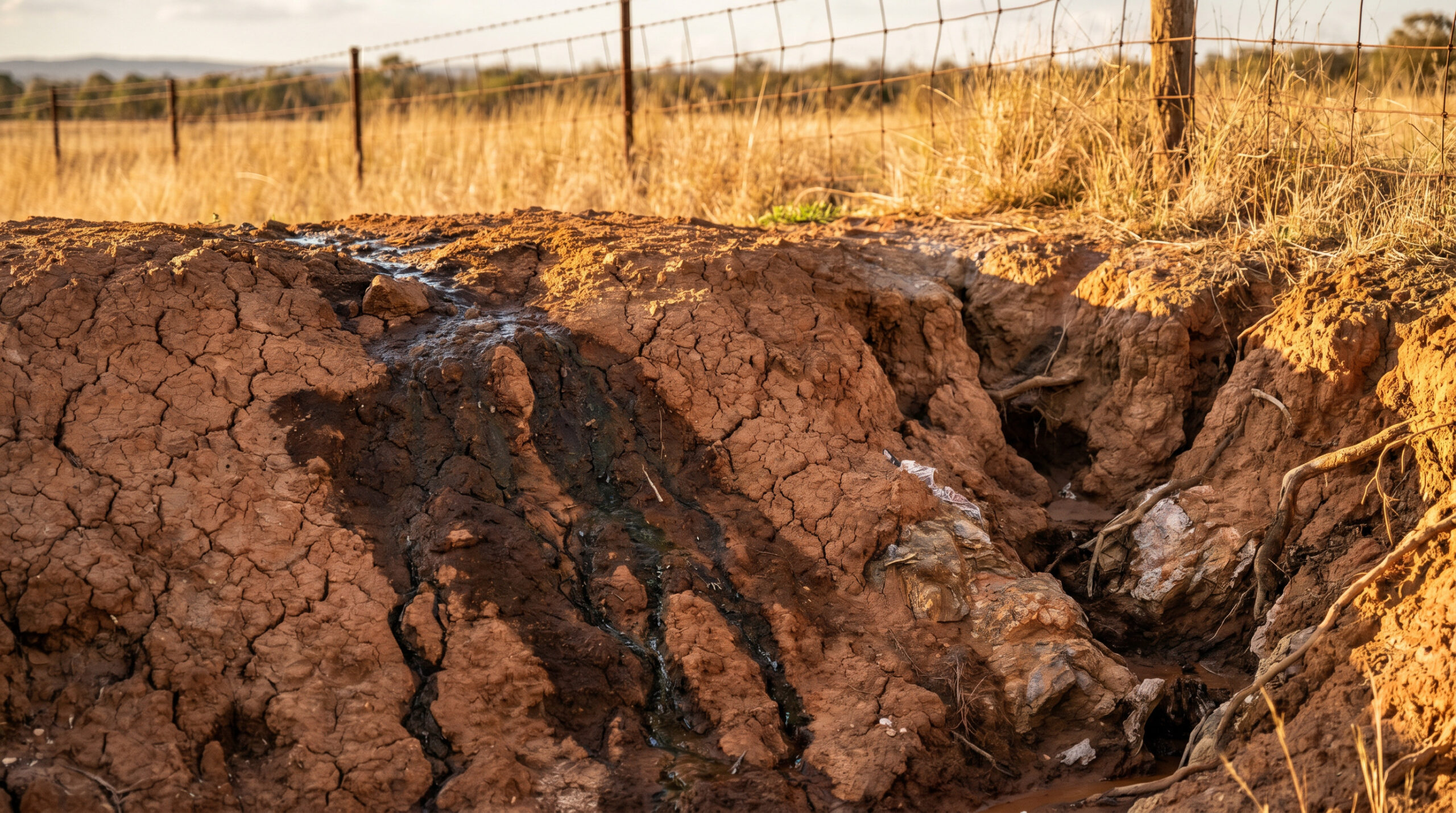
Earth dams are essential structures used to store water and manage water resources worldwide. While these dams serve critical purposes like irrigation, water supply, and flood control, they also carry inherent risks. Dam failures can lead to devastating consequences, causing loss of life, property damage, and environmental destruction. Identifying early warning signs of potential dam failure is crucial to prevent disasters and take timely corrective measures. In this blog post, we will explore the primary early warning signs of earth dam failure and the importance of proactive monitoring and maintenance.

Farm dams are essential water storage structures that play a crucial role in agricultural operations. They provide water for irrigation, livestock, and other farming needs. However, as with any man-made structure, farm dams require regular inspections to ensure their safety and functionality. Regular inspections not only help prevent potential disasters but also extend the lifespan of the dam, saving farmers from costly repairs and interruptions in water supply.
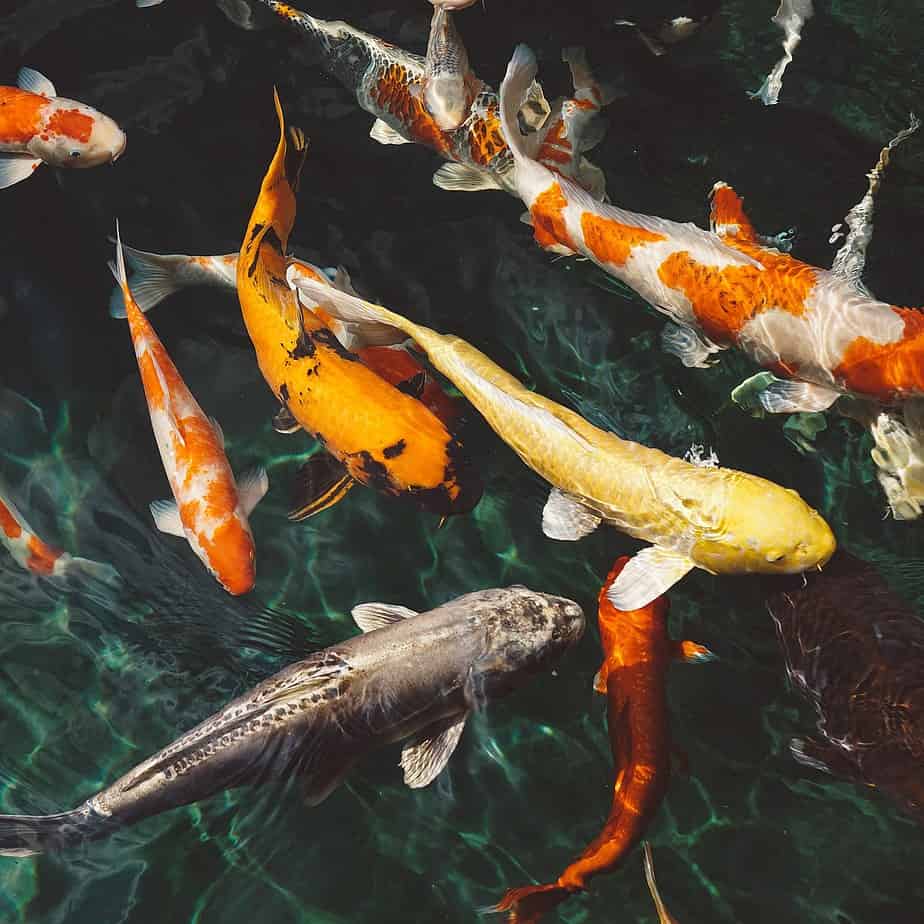
As the global population continues to grow, the demand for food production escalates, putting pressure on traditional farming practices. In the pursuit of sustainable and efficient food production, integrating aquaculture into existing farm dams presents an innovative and environmentally friendly solution.

Farm dams are essential to agricultural operations because they provide water for animals, irrigation, and other farming activities. However, over time, these water bodies can become susceptible to excessive vegetation growth, which can pose challenges for farmers. Striking a balance between maintaining a healthy ecosystem and preserving dam infrastructure is crucial for sustainable farming practices. In this blog post, we will explore the significance of farm dam vegetation management, the potential impacts of unchecked growth, and effective strategies to achieve a harmonious balance between ecosystems and infrastructure.
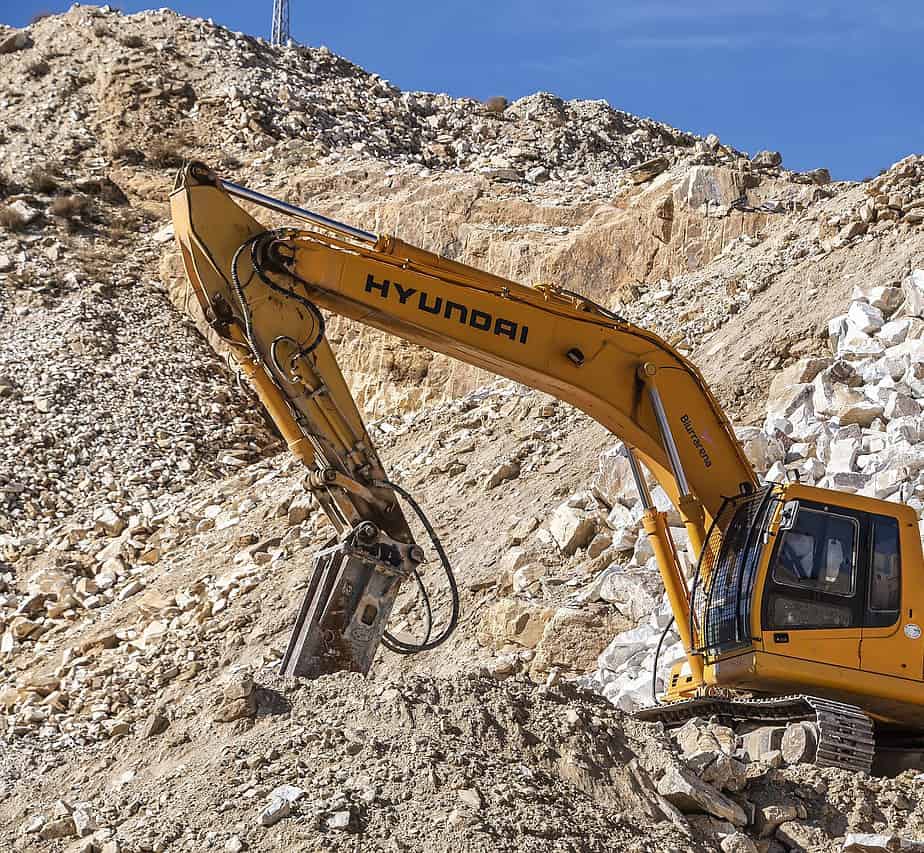
Farm dams are essential water storage structures for agricultural operations, providing a reliable supply of water for irrigation, livestock, and domestic needs. Constructing a farm dam on sloping terrain presents unique challenges that require careful planning, design, and attention to stability. In this blog post, we will explore the key considerations and best practices for designing and ensuring the stability of farm dams built on sloping terrain. By following these guidelines, farmers can optimize water storage capacity and reduce the risk of dam failure, ensuring the long-term success of their agricultural endeavours.

In recent years, the impact of agriculture on the environment has become a growing concern. As the global population increases, so does the demand for food production, which places significant pressure on natural resources and ecosystems. In this context, small farms have a crucial role to play in sustainable agriculture and conservation efforts. One essential feature of small farms that offers numerous environmental benefits is the farm dam. These man-made water reservoirs not only aid in water management for farming operations but also contribute positively to the local environment and biodiversity. In this blog post, we will explore the environmental benefits of farm dams on small farms and shed light on their significance in creating a sustainable future

Agriculture is the backbone of many economies, and effective water management plays a crucial role in ensuring the success of agricultural endeavors. In regions where water is scarce or irregularly available, farmers often turn to farm dam construction to capture and store water for irrigation and other agricultural needs. While traditional dam construction methods have been prevalent for centuries, advancements in technology have introduced innovative solutions to enhance water storage and conservation. One such technology that has gained popularity in recent years is the use of geomembranes in farm dam construction. In this blog post, we will explore the benefits of using geomembranes and how they can revolutionize water storage on farms.

Farm dams play a crucial role in the agricultural landscape, providing essential water storage for irrigation, livestock, and other farming activities. Over time, these structures may deteriorate due to various factors such as age, weathering, sedimentation, and poor maintenance. Dam failure can have catastrophic consequences, leading to property damage, loss of livelihood, and environmental degradation. To ensure the safety and sustainability of farm dams, rehabilitation and upgrading become necessary. In this blog post, we will explore the importance of farm dam rehabilitation, the common issues faced by aging dams, and the steps involved in upgrading and repairing an existing dam.
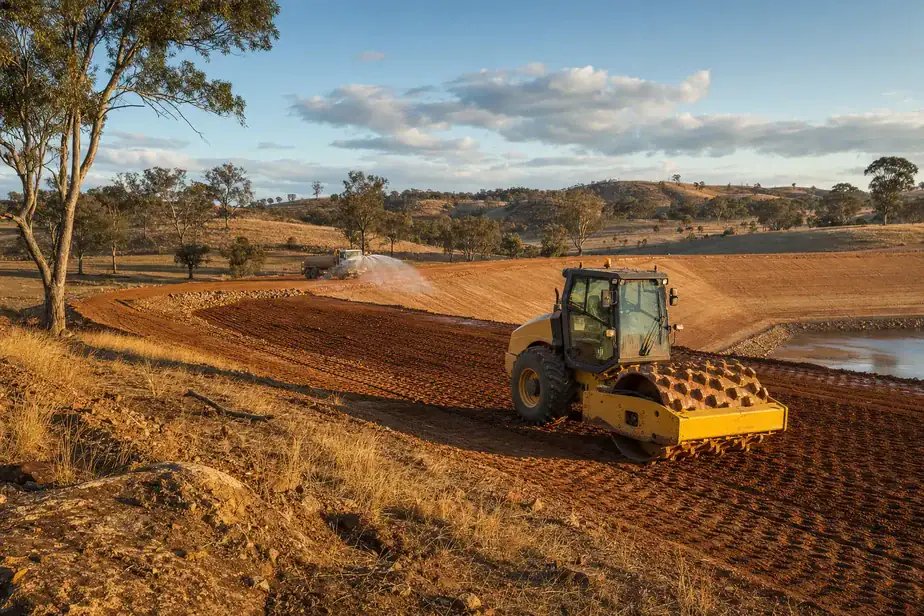
Farm dams are vital for agricultural operations, providing water storage for irrigation, livestock, and other farming activities. However, seepage, the leakage of water through dam structures, can lead to significant water losses and affect the dam’s overall effectiveness. In this blog post, we will explore various techniques and best practices for controlling seepage in farm dams. By implementing these strategies, farmers can improve water conservation, optimize their agricultural output, and ensure the longevity of their dam infrastructure.

Farm dams play a vital role in modern agriculture, providing a reliable and sustainable water supply for irrigation, livestock, and domestic use. However, constructing a farm dam requires careful planning and a thorough assessment of hydrological conditions. A poorly designed dam can lead to water scarcity, environmental damage, and financial losses. In this blog post, we will explore the key factors involved in assessing hydrological conditions for farm dam construction to ensure successful and efficient water management on agricultural properties.
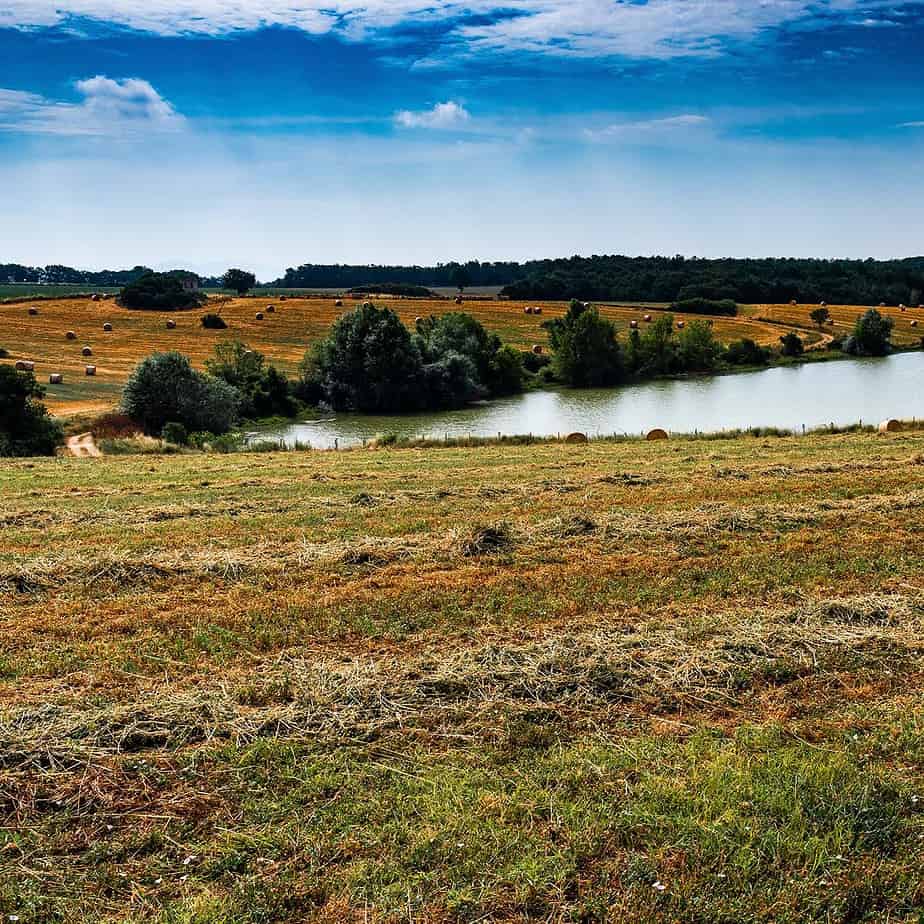
Farm dams play a vital role in agricultural practices, serving as a reliable water source for irrigation, livestock, and general farm operations. However, heavy rainfall or excessive water accumulation can lead to the dam’s water levels rising beyond capacity, potentially causing catastrophic consequences. To prevent such scenarios and ensure controlled overflow, designing effective spillways becomes crucial. In this blog post, we will explore the importance of spillways, their design considerations, and best practices for designing spillways that effectively manage excess water while safeguarding the integrity of farm dams.
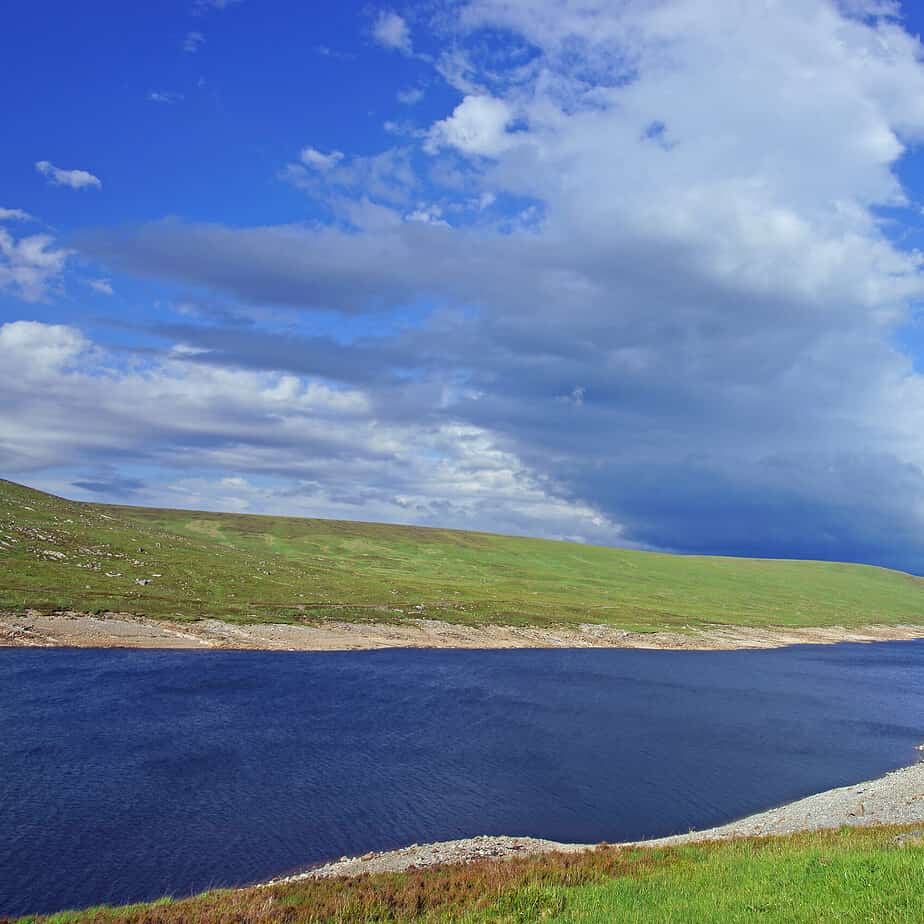
Water scarcity is a growing concern for farmers, especially those operating on small farms. In such scenarios, every drop of water counts, and implementing effective rainwater harvesting techniques becomes crucial. By maximizing rainwater harvesting on small farms, farmers can ensure a more sustainable and reliable water supply for their crops and livestock. In this blog post, we will explore some practical strategies to optimize rainwater harvesting on small farms.
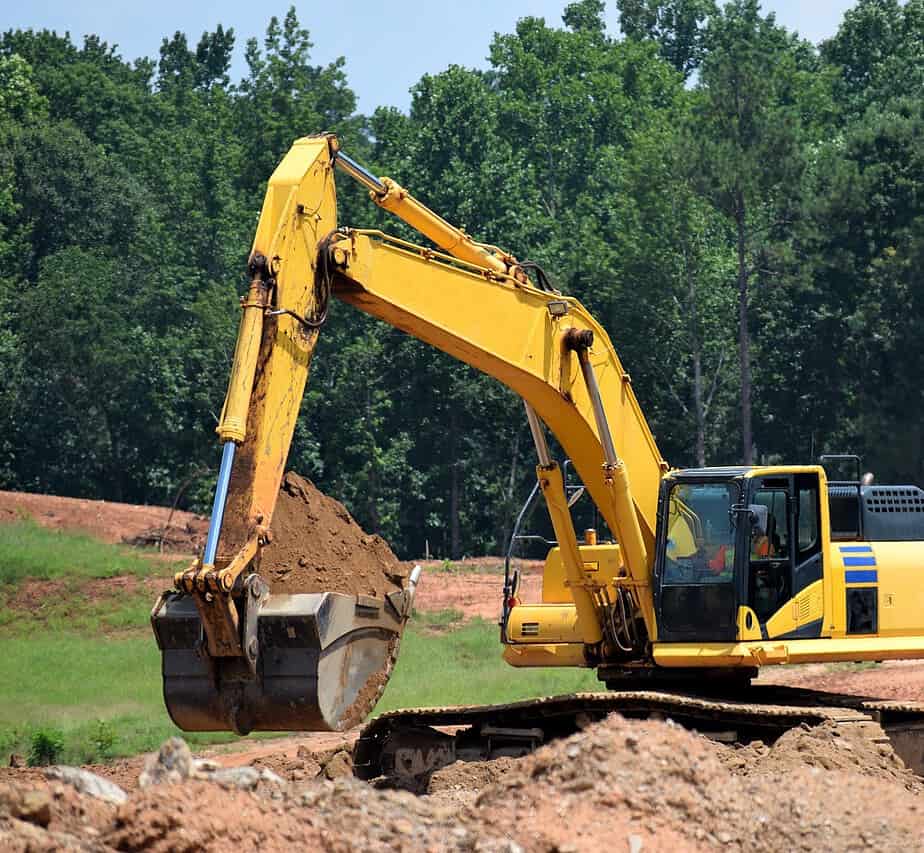
Farm dams play a crucial role in agricultural operations, providing water storage for irrigation, livestock, and domestic use. However, like any other infrastructure, they require regular maintenance to ensure their longevity and optimal functionality. Neglecting proper maintenance practices can lead to a host of problems, such as structural damage, water quality issues, and decreased water storage capacity. In this post, we will explore the essential practices for farm dam maintenance to help farmers maximize the lifespan of their dams and ensure a sustainable water supply.
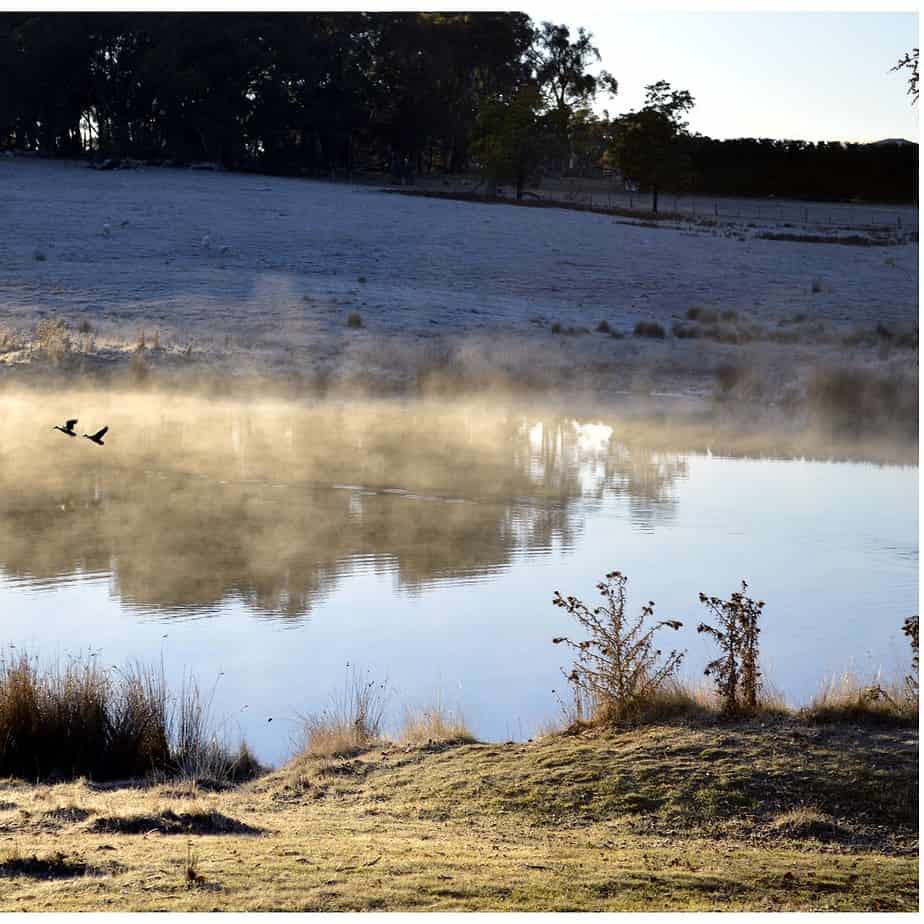
Farm dams are vital for agricultural operations, serving as a valuable water source for irrigation, livestock, and various farm activities. However, constructing a farm dam can be a complex endeavor, fraught with challenges that require careful planning and problem-solving. In this article, we will discuss some of the common challenges encountered during farm dam building and explore effective strategies to overcome them. By understanding these obstacles and implementing proactive solutions, farmers can ensure the successful construction of durable and efficient farm dams.

For small-scale farmers, ensuring a reliable water supply is crucial for successful agriculture. In regions with irregular rainfall patterns or limited access to natural water sources, farm dams play a pivotal role in providing irrigation water throughout the year. These on-farm reservoirs offer numerous benefits, enabling small farms to thrive and sustain their operations. In this blog post, we will explore the significant role of farm dams in irrigation for small farms and delve into the advantages they bring to agricultural practices.

Farm dams are essential to agricultural operations because they offer a dependable and sustainable water source for livestock, irrigation, and other farming tasks. Water requirements are an important issue when building a farm dam and require careful design and consideration of numerous elements. This blog post seeks to give farmers a thorough understanding of the water needs for building agricultural dams. When developing and constructing farm dams that fit their agricultural demands, farmers can make educated judgements by looking at variables including catchment area, rainfall patterns, evaporation rates, and water usage.
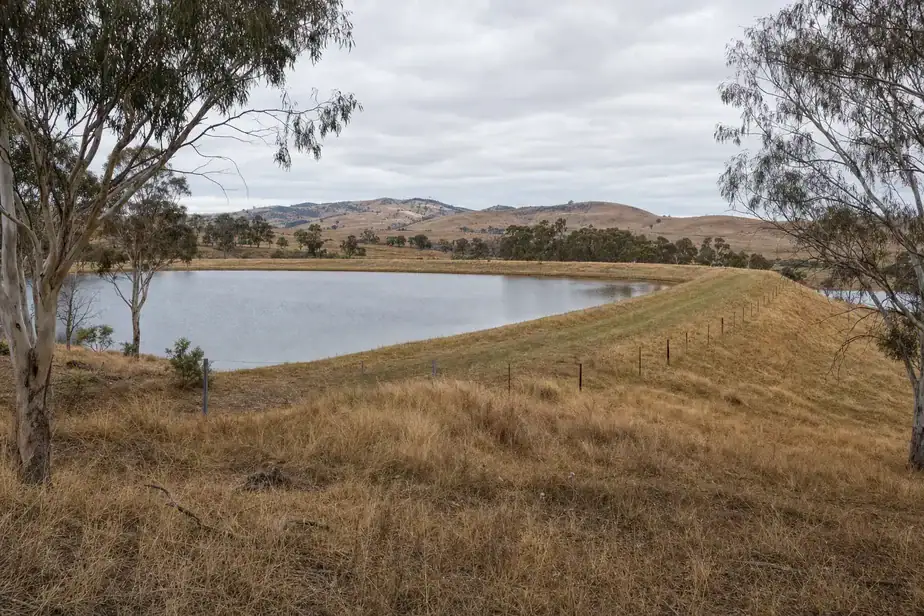
Farm dams are essential for agricultural operations, providing water for irrigation, livestock, and various farm activities. However, ensuring the structural integrity of these dams is crucial to prevent catastrophic failures that can lead to property damage, environmental pollution, and even loss of life. In this blog post, we will explore important steps and best practices to ensure the safety and structural integrity of farm dams. By following these guidelines, farmers and landowners can maintain a reliable water supply while prioritizing the safety of their operations and surrounding communities.
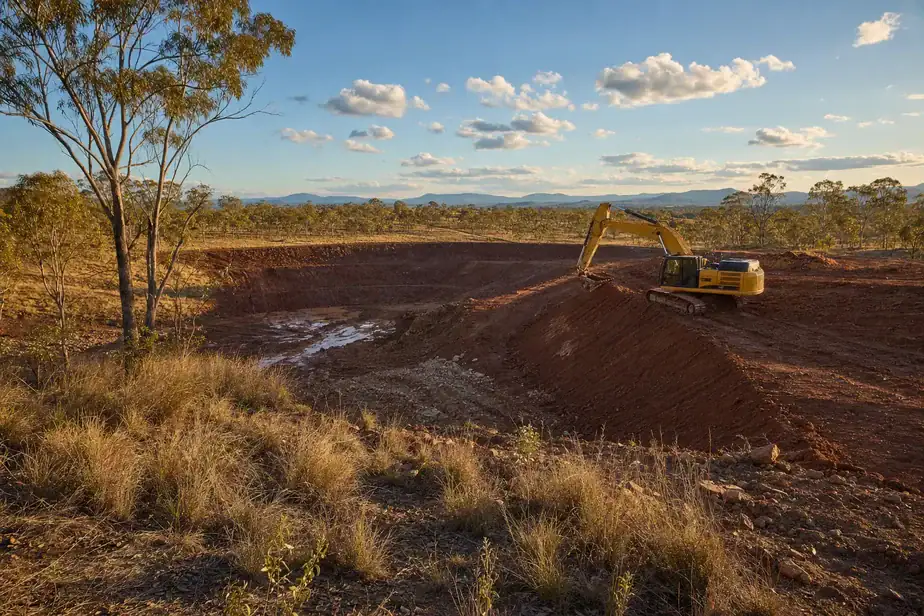
Building a farm dam on your property can provide valuable water resources for irrigation, livestock watering, and other agricultural needs. While it may seem like a daunting task, with proper planning and guidance, constructing a farm dam can be a rewarding and achievable endeavor. In this beginner’s guide, we will walk you through the essential steps and considerations for building a farm dam on your property. From site selection to construction techniques, this guide aims to provide you with the knowledge and confidence to embark on your farm dam construction project.
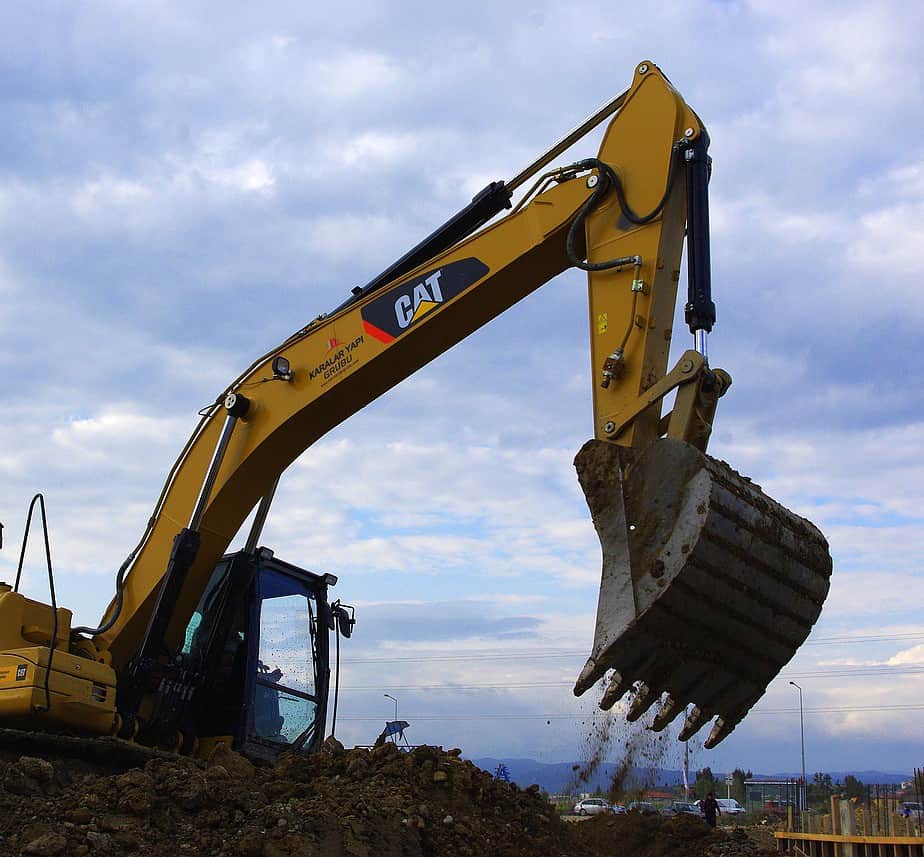
Building a farm dam is a crucial step for small-scale farmers looking to secure a reliable water supply for irrigation, livestock watering, and other agricultural needs. However, successful dam construction requires careful planning and attention to design considerations. In this blog post, we will explore the key factors that farmers need to consider when planning and designing a farm dam. By understanding these considerations, farmers can make informed decisions that will ensure the functionality, durability, and sustainability of their farm dam
In the world of small-scale agriculture, where every resource is precious, farm dams play a vital role in ensuring the success and sustainability of the operations. These man-made reservoirs hold water and offer numerous benefits to farmers, from providing a reliable water source for irrigation to supporting livestock and mitigating the effects of drought. In this blog post, we will explore the significance of farm dams in small-scale agriculture and delve into their essential functions.

Big Ditch Aquatecture has established itself as a frontrunner in the field of dam construction. With its unwavering commitment to engineering excellence, superior project management, and a strong focus on environmental sustainability, the company has left an indelible mark on the industry.
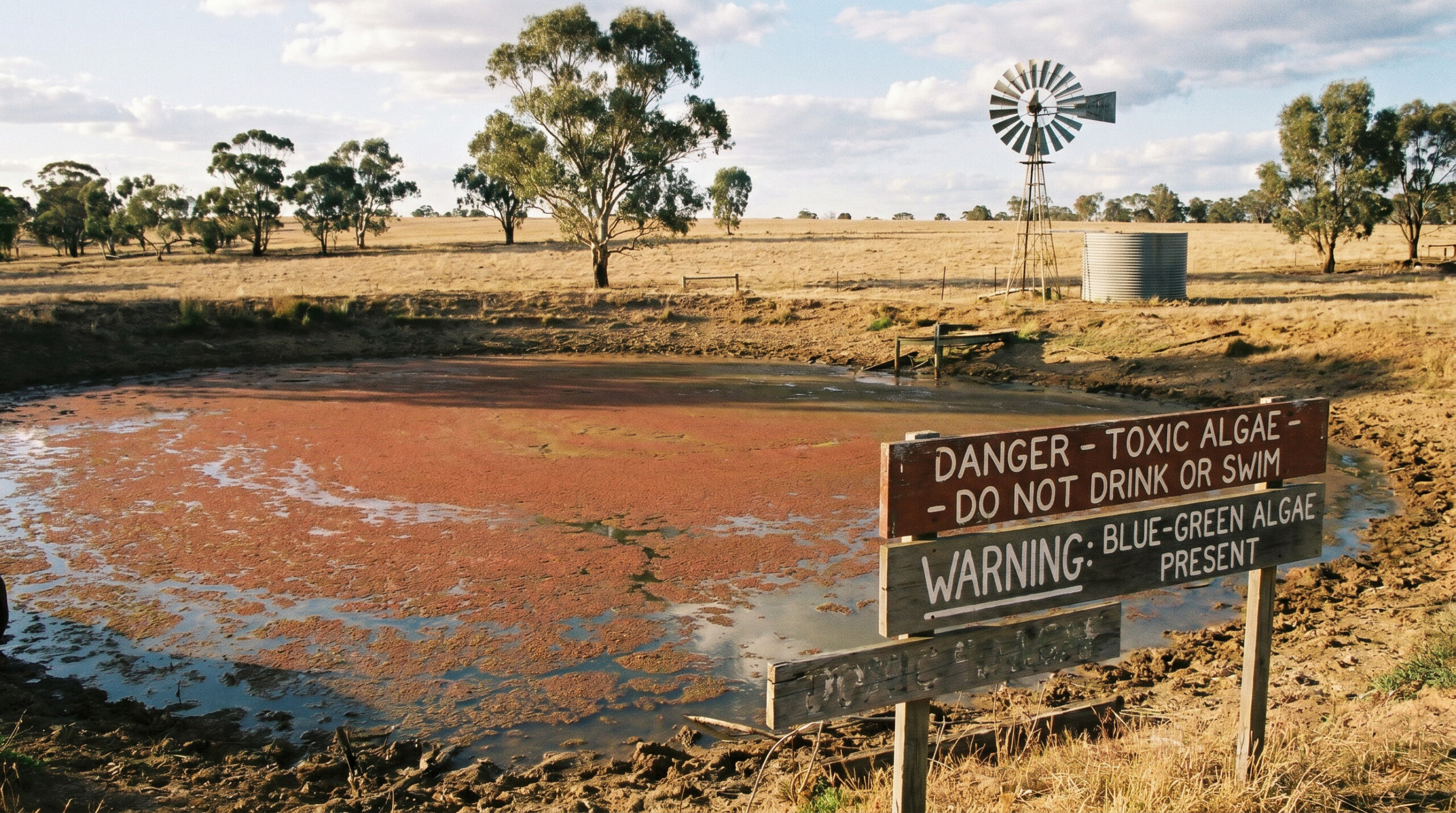
Rhodophyta, or red algae, can develop for a number of reasons, such as nutrient availability and environmental circumstances. A few of the major causes of red algae include the following

Short answer: Australia is the driest inhabited continent on Earth, with highly variable rainfall and some of the world’s most extreme water resource challenges. Despite covering a vast land area, much of Australia’s interior receives less than 250mm of rain annually, making water management critical for agriculture and communities. Investing in water storage and conservation …
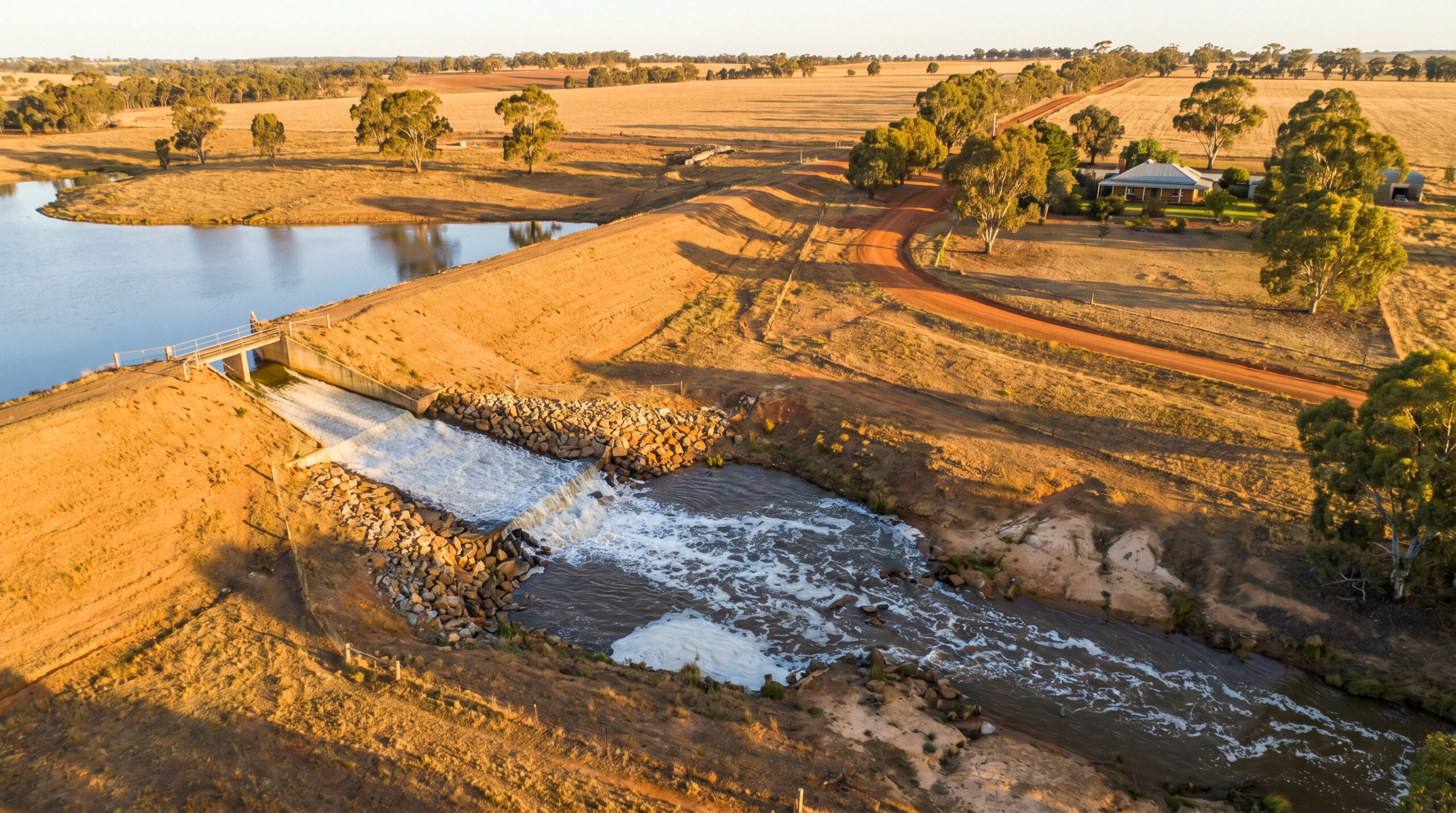
Short answer: Smart overflow management for earth dams involves designing spillways and overflow structures that safely discharge excess water without causing erosion or embankment damage. Properly sized and maintained overflow systems protect the dam’s structural integrity during heavy rainfall events. Investing in good overflow design extends dam lifespan and reduces costly repairs. Last updated: April …

Short answer: Managed flooding — sometimes called environmental flows — involves deliberately releasing water into river systems to mimic natural flood cycles that sustain riparian ecosystems. These engineered flows help trigger fish spawning, seed germination, and waterbird breeding events that depend on periodic inundation. Careful planning and coordination between water authorities and environmental scientists is …

Short answer: Australia’s inland river and wetland systems are under increasing pressure from water extraction, land clearing, climate change, and altered flow regimes. Once-permanent waterholes and seasonal floodplains are disappearing, threatening unique species and the communities that depend on them. Addressing these losses requires coordinated policy action, environmental water allocations, and catchment-scale restoration efforts. Last …

Short answer: Australia faces a complex water security challenge driven by a highly variable climate, growing agricultural demand, ageing infrastructure, and increasing drought frequency. Sustainable water management requires balancing the needs of farmers, urban communities, and river ecosystems under tightening supply conditions. Solutions will involve a mix of storage investment, efficiency improvements, recycling, and realistic …

Short answer: Unusual weather patterns — including longer droughts, more intense rainfall events, and shifting seasonal cycles — are disrupting traditional water availability across Australia. These changes make reliable water storage more important than ever for farms and regional communities. Understanding emerging climate trends helps landowners and planners design water systems that remain functional under …

Short answer: River regulation through dams, weirs, and diversions has fundamentally altered the natural flow regimes that riparian ecosystems depend on. Reduced flooding frequency, changed sediment loads, and blocked fish migration routes have degraded many of Australia’s regulated rivers. Balancing productive water use with maintaining ecological function in regulated catchments remains one of the country’s …

Short answer: Restoring Australian rivers involves removing or modifying barriers to fish passage, reinstating environmental flows, revegetating riparian zones, and reducing catchment-scale water extraction. Progress has been made in some systems, but many rivers remain far from their natural condition due to entrenched water use rights and legacy infrastructure. Sustained investment and long-term monitoring are …

Short answer: Very large dams — sometimes called mega-dams or super-dams — can provide significant water storage but come with substantial environmental, social, and economic costs. Flooding vast areas destroys ecosystems, displaces communities, and permanently alters downstream river systems. In many cases, smaller distributed water storage solutions and demand management deliver comparable benefits at far …

Short answer: Dams play a critical role in helping communities adapt to climate variability by providing reliable water storage during droughts and flood mitigation during intense rainfall events. As climate change increases the frequency of extreme weather, the value of well-designed water storage infrastructure continues to grow. Investing in dam construction, maintenance, and modernisation is …

Short answer: Climate change is significantly impacting Australia’s freshwater ecosystems through rising temperatures, altered rainfall patterns, and increased drought frequency. These changes reduce water availability, degrade water quality, and threaten aquatic biodiversity. Proactive water management and conservation strategies are essential to protect these vital systems. test

Short answer: Australia faces a profound climate challenge, with increasing temperatures and shifting rainfall patterns placing severe stress on water supplies and agricultural land. Reduced inflows into catchments and more frequent droughts are already affecting farming communities and natural landscapes. Adapting land and water management practices is critical for long-term resilience. Last updated: April 2026 …
Short answer: Building your first earth dam involves selecting a suitable site with impermeable soil, designing a stable embankment with appropriate spillway capacity, and carefully managing compaction during construction. Proper site assessment and engineering guidance are essential to ensure safety and longevity. A well-built earth dam can provide reliable water storage for decades. Quick Answer: …

From ineffective design to poor dam maintenance, there are many factors that can lead to high rates of dam evaporation. It’s not a secret that the effect of climate change on water availability is also detrimental; extreme weather, reduced precipitation, and prevailing winds, global and local climate systems are changing. Freshwater has already become a sacred resource across the globe and Australia, in particular.

Short answer: Designing filters for dam embankments involves selecting appropriate particle sizes to prevent piping while allowing controlled drainage. Testing these filters ensures they meet retention and permeability criteria before construction begins. A well-designed filter system is one of the most critical elements in preventing embankment dam failure. Last updated: April 2026 | Author: Angus …

Short answer: Lab particle retention trials determine whether a filter material will hold back fine soil particles from migrating through an embankment. These tests simulate real-world seepage conditions to validate filter designs before they are installed in the field. Rigorous lab testing is essential for ensuring long-term dam safety. Last updated: April 2026 | Author: …

Short answer: Foundation filters are installed beneath embankment dams to intercept and control seepage through the underlying soil. They prevent internal erosion and piping, which are leading causes of dam failure. Correctly designed and placed foundation filters are a fundamental safeguard for embankment dam integrity. Last updated: April 2026 | Author: Angus Hughson, Big Ditch …

Short answer: Drainpipes and filters work together in dam construction to manage internal seepage and relieve pore water pressure within the embankment. Properly installed drainage systems prevent saturation and maintain structural stability over the dam’s lifespan. Understanding their practical applications helps dam builders avoid costly failures. Last updated: April 2026 | Author: Angus Hughson, Big …