

Short answer: Commercial dam projects involve significantly larger storage volumes, higher construction standards, and greater downstream risk than typical farm dams, making professional engineering and construction expertise essential. A qualified contractor brings the technical knowledge required for structural design, spillway calculations, compaction testing, and regulatory compliance for larger-scale projects. Cutting corners on professional services for commercial dams can result in catastrophic and costly failures.
Last updated: April 2026 | Author: Angus Hughson, Big Ditch Aquatecture
📋 Quick Answer
Commercial dam projects — irrigation storage, mining tailings, effluent treatment, or large stock water systems — require professional dam builders who understand engineering standards, regulatory obligations, and risk management. Commercial dams above certain size thresholds are classified as ‘referable dams’ under state legislation and require mandatory engineering design, construction supervision, and inspection. Failure of a commercial dam can result in catastrophic downstream damage, significant legal liability, and potential criminal charges for the dam owner.
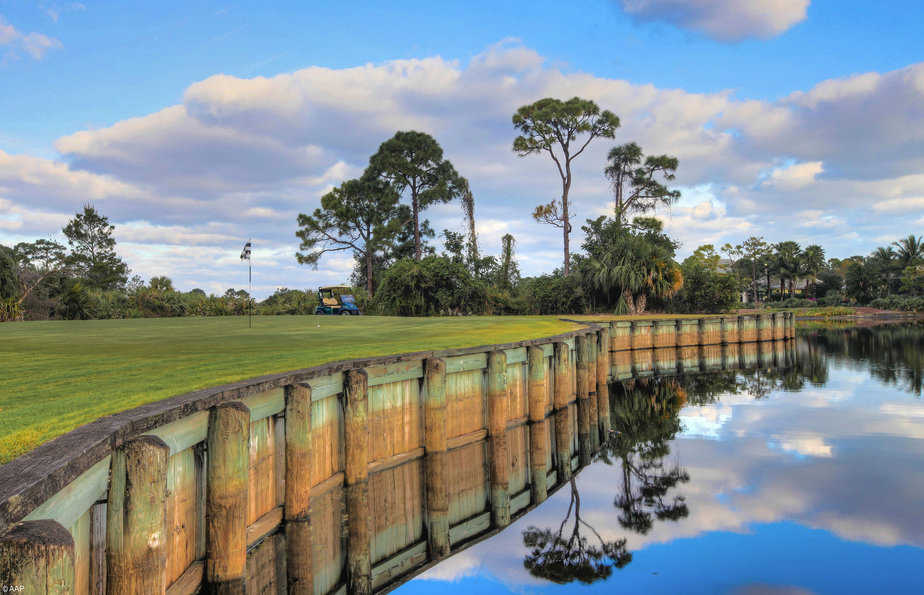
When it comes to commercial construction projects, dam building is one of the most crucial tasks that ensures the success and safety of the entire project. Dams play an essential role in managing water resources, generating power, preventing floods, and supporting agriculture through irrigation. With the significance of these structures, it is vital to have professionals handle dam building. Let’s explore why professional dam building is so vital for commercial projects and how it impacts industries around the world.
Managing Water Resources Efficiently
Dams help manage water resources effectively, which is especially important for commercial industries that rely on a steady water supply. By controlling the flow of rivers and streams, dams can create reservoirs that store water for use during dry periods. This ensures businesses such as agriculture, manufacturing, and energy production have access to water when they need it the most.
Professional dam builders understand the importance of creating solid and durable dams that can stand the test of time. Using suitable materials, design, and construction techniques, they can ensure the reservoir retains water without causing leaks or structural failures. Dams built by experts can prevent water wastage and ensure that water is available during critical times.
Power Generation through Hydroelectric Dams
One of the most common reasons for building dams is to generate electricity. Hydroelectric dams use the force of flowing water to turn turbines, which produce power. This renewable energy source is vital for industries that need a reliable power supply.
Professional dam builders know how to design and construct dams that efficiently harness water’s power. The structure must be able to handle the water pressure, gravity forces, and the height of the dam to ensure it operates safely. Using materials such as concrete or masonry, engineers can create dams that generate power while maintaining the safety of nearby areas.
Ensuring Flood Control
Dams are often built to control flooding, especially in areas where rivers and streams overflow during heavy rainfall. Flooding can damage infrastructure, homes, and businesses, causing significant financial losses. Professional dam building ensures that dams are designed to handle large volumes of water and divert it safely downstream.
The type of dam built depends on the region’s needs. Gravity dams are designed to withstand the weight of water pressing against them, while arch dams use the natural strength of curved structures to distribute water pressure. Both types of dams require professional expertise to ensure they are effective at flood control and remain stable even during extreme weather events.
Protecting the Environment
While dams significantly impact water management and flood control, they also have a substantial effect on the environment. Poorly designed or constructed dams can disrupt ecosystems, harm wildlife, and change natural water flows, leading to issues downstream. Professional dam builders take these environmental concerns into account during the design and construction phases.
Engineers and environmental experts collaborate to minimise the dam’s environmental footprint while maximizing its benefits. This might include designing a spillway to safely manage excess water or building fish ladders to allow aquatic wildlife to pass through the dam. By considering these factors, professional dam building ensures that the dam serves its purpose without harming the surrounding environment.
Handling Complex Engineering Challenges
Building a dam is not just about stacking materials and pouring concrete; it involves complex engineering processes that require specialised knowledge and experience. From the height and size of the dam to the type of foundation and spillway needed, professional dam builders must account for numerous technical factors.
Dams, such as gravity, arch, and buttress dams, require specific construction methods and materials. Engineers carefully analyse the soil, rock, and riverbeds to ensure the foundation can support the dam’s weight and pressure. Without professional oversight, there is a higher risk of structural failure, which can lead to catastrophic consequences such as dam breaches or collapses.
Safeguarding the Surrounding Area
Safety is a top priority in dam construction. A well-built dam must be strong enough to hold back massive amounts of water while protecting the communities and industries located downstream. Any structural weakness in a dam could lead to a breach, flooding the area and causing destruction.
Professional dam builders follow strict safety standards and regulations during the construction process. These standards ensure that dams are built to withstand natural disasters like earthquakes or extreme weather conditions. In addition, professional engineers regularly inspect dams to ensure their continued safety and functionality.
Long-Term Durability and Maintenance
Commercial projects require structures that can last for decades, and dams are no exception. Once built, dams need regular maintenance to ensure they continue functioning as designed. Professional dam builders understand the importance of using high-quality materials like concrete, rock, and masonry to create long-lasting dams.
They also design dams with ease of maintenance in mind. Spillways, for instance, help manage excess water during storms, while the design of the dam’s face and structure can prevent erosion over time. Routine inspections and maintenance work ensure that the dam remains safe, operational, and cost-effective for years to come.
Tailored Solutions for Every Project
Not all dams are built the same. Commercial projects have different needs, depending on the location, water source, and purpose of the dam. Professional dam builders offer tailored solutions to meet the specific requirements of each project.
For example, in regions with limited space, an arch dam may be the best choice, as its curved design uses natural forces to hold back water. In areas with soft soil, embankment dams made of earth and rock might be more appropriate. Whatever the project, professional dam builders ensure that the design, materials, and construction techniques match the site’s unique conditions.
Ready to Build a Reliable and Durable Dam for Your Project?
At Big Ditch, we specialise in professional dam building for commercial projects. Our expert engineers design and construct dams that prioritise safety, efficiency, and longevity.
Whether it’s managing water resources, generating power, or controlling floods, we tailor each dam to meet your project’s unique needs.
Contact us today to discuss how we can help your next project succeed!
Frequently Asked Questions
What classifies as a commercial dam in Australia?
Classification varies by state, but generally a ‘commercial dam’ or ‘referable dam’ is any dam that poses a significant risk to life or property downstream if it fails. This is determined by factors including storage volume, wall height, population at risk downstream, and consequence category (typically A, B, or C under ANCOLD guidelines). In NSW and QLD, dams above certain height/volume thresholds automatically require engineering design and regular safety inspections by accredited dam safety engineers.
What engineering standards apply to commercial dam construction in Australia?
Commercial dams in Australia must comply with: ANCOLD (Australian National Committee on Large Dams) Guidelines on Dam Safety Management, AS/NZS 3778 and related standards for earthfill dams, state dam safety regulations and guidelines (WaterNSW in NSW, DNRME in QLD, Agriculture Victoria), and if applicable, environmental and cultural heritage requirements. ANCOLD guidelines set standards for hazard classification, design flood, inspection frequency, and Emergency Action Plans.
Do commercial dams require an Emergency Action Plan?
Yes. Under ANCOLD guidelines, all dams classified as ‘Significant’ or ‘High’ consequence (i.e., where dam failure could cause loss of life or major downstream damage) must have an Emergency Action Plan (EAP). The EAP documents warning procedures, evacuation routes, emergency contacts, and dam failure scenarios. In NSW and QLD, EAPs must be lodged with state dam safety authorities and updated regularly. The dam owner is responsible for maintaining and exercising the EAP.
What are the liability implications of dam failure?
Dam owners in Australia can face significant legal liability if their dam fails due to negligence. Liability extends to downstream property damage, personal injury, environmental remediation, and in cases of gross negligence, potential criminal charges. Proper dam design, construction by qualified professionals, regular inspection, and maintenance of an Emergency Action Plan are the primary ways to manage this liability. Ensure your dam is listed on your property insurance and that the insurer is aware of its capacity and classification.
How much does commercial dam construction cost in Australia?
Commercial dam construction costs vary enormously based on size, purpose, site conditions, and regulatory requirements. A medium-sized irrigation storage dam (50 to 200 ML) costs about $250,000 to $1,000,000 + GST to construct at Big Ditch’s $5,000 per megalitre rate, excluding mobilisation, fuel surcharge, engineering and approvals. Large tailings storage facilities (TSFs) for mining operations can cost tens of millions. Always budget separately for engineering design (typically 5–10% of construction cost) and approvals (allow 6–18 months for significant dams).
🎯 Key Takeaways
- Commercial dams are legally regulated — Dams above state-defined thresholds are ‘regulated’ or ‘referable’ structures requiring mandatory engineering design, construction oversight, and regular safety inspections under state legislation.
- ANCOLD guidelines set the standard — All significant Australian dams must comply with ANCOLD (Australian National Committee on Large Dams) safety guidelines. Your engineer should be familiar with ANCOLD requirements for your dam’s consequence category.
- Emergency Action Plans are mandatory for significant dams — Any dam where failure could cause loss of life or major downstream damage must have an EAP lodged with state authorities. This is a legal requirement, not optional.
- Dam owners carry ongoing liability — Liability for dam failure rests primarily with the dam owner, not the builder. Regular professional inspections, proper maintenance records, and EAP compliance are the primary risk management tools.
- Engineering costs are an investment, not overhead — Proper engineering design typically costs 5–10% of construction cost. This investment protects the dam owner from liability, ensures regulatory compliance, and prevents costly construction defects.
- Hire dam-specialist engineers and builders — Commercial dam engineering requires practitioners experienced specifically in dam design and construction — not just general civil engineers. ANCOLD membership and dam safety engineering accreditation are key credentials to look for.
Practical dam advice, straight to your inbox
Get an email when Big Ditch publishes a new article about dam construction, repairs or water management.
Get dam updates
Confirm your email to subscribe. Unsubscribe at any time. Privacy Policy