
Last updated: April 2026 | Author: Angus Hughson, Big Ditch Dam Building Company
📋 Quick Answer
Big Ditch Dam Building Company has been constructing and repairing farm dams across New South Wales, Queensland, and Victoria for over 35 years. Every farm dam built to the right standards — correct clay, proper compaction, adequate spillway — can provide 50–100+ years of reliable water storage.
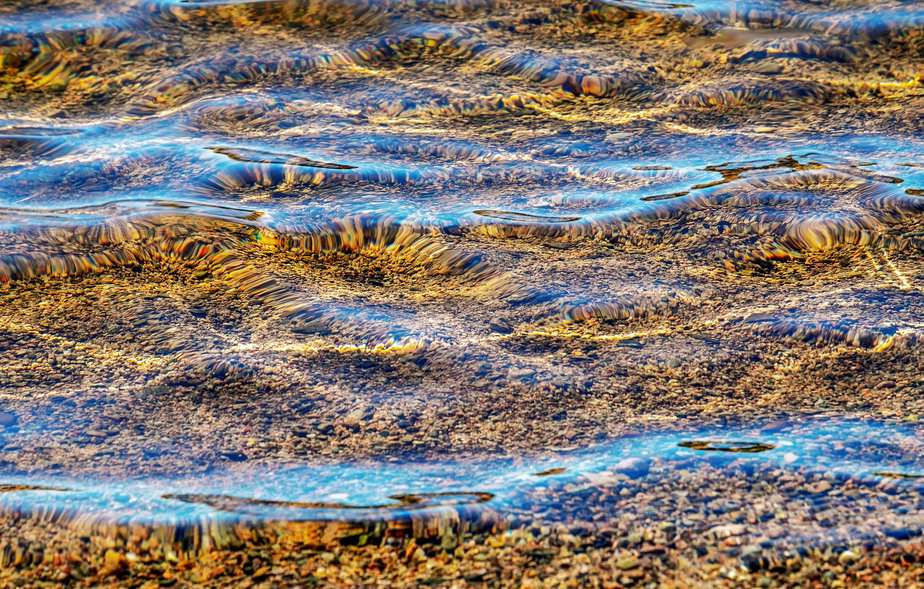
A Guide to Achieving Clear Water in Your Dam
A dam is a remarkable feat of engineering that serves multiple purposes, from providing water for irrigation and drinking to generating hydroelectric power.
However, maintaining the water quality in your dam is crucial to ensure its functionality and the overall health of the ecosystem it supports. The quest for clear water in your dam involves a combination of strategic planning, regular maintenance, and sustainable practices. In this guide, we’ll explore actionable steps to help you achieve and maintain crystal clear waters in your dam.
Choose the Right Location
Before construction even begins, selecting the right location for your dam is of paramount importance. Ensure that the area chosen has minimal sediment runoff, contamination, and pollution sources. Sediment-laden water can cause murkiness in the dam, so opting for a site with naturally clean water sources can significantly contribute to clear water quality.
Proper Design and Construction
A well-designed and properly constructed dam is the foundation of clear water quality. The dam’s design should incorporate features that prevent sediment buildup and promote water circulation. Adequate spillways, sediment basins, and water flow management systems can all play a role in maintaining clear water. Additionally, consider including features like silt fences during construction to minimize soil erosion and sediment runoff.
Regular Inspections and Maintenance
Frequent inspections are essential to identify potential issues early on. Regularly check for signs of erosion, sediment accumulation, and any possible pollution sources in the surrounding area. Addressing these problems promptly can prevent water quality degradation. Create a maintenance schedule that includes sediment removal, vegetation management, and infrastructure repairs.
Vegetation Management
Proper vegetation management around the dam can significantly impact water quality. Vegetation acts as a natural buffer, preventing soil erosion and reducing the influx of sediments into the water. Planting native vegetation and maintaining a healthy buffer zone can help filter runoff before it enters the dam, leading to clearer water.
Erosion Control
Implement erosion control measures to prevent soil erosion and sedimentation within the dam. Techniques such as hydroseeding, mulching, and geotextile installation can stabilize the soil and reduce sediment runoff. The less sediment entering the dam, the clearer the water will remain.
Water Circulation and Aeration
Aeration and water circulation systems can improve the oxygen levels in the dam, preventing the buildup of excess nutrients and algae blooms. Installing aeration systems, such as fountains or diffusers, can keep the water moving and help maintain a healthy ecological balance.
Nutrient Management
Excess nutrients, particularly phosphorus and nitrogen, can lead to water quality issues such as algae overgrowth. Implement practices to manage nutrient inputs, such as avoiding excessive fertilization near the dam and implementing vegetative filter strips to capture runoff before it enters the water.
Sediment Removal
Over time, sediment will accumulate at the bottom of the dam, leading to decreased water depth and potential water quality problems. Regularly schedule sediment removal operations to maintain the dam’s storage capacity and water clarity. Ensure that sediment removal is conducted in an environmentally responsible manner.
Water Testing
Regular water testing is essential to monitor the chemical composition and overall health of the water in your dam. Test for parameters such as pH, turbidity, dissolved oxygen, and nutrient levels. These tests can provide valuable insights into the water quality and guide any necessary corrective actions.
More reading
Designing Farm Dams for Sediment Trapping and Water Quality Improvement