

Short answer: Consistent dam maintenance and monitoring transformed previously unproductive land into a high-yielding farm by ensuring reliable water availability across all seasons. Regular checks identified leaks, sedimentation, and structural issues early, allowing timely repairs that kept the dam functioning at full capacity. With secure water supply, the farmer was able to achieve three harvests per year from land that was previously too dry to farm reliably.
Quick Answer: Regular dam inspections — visual checks every 6–12 months — catch problems before they become expensive failures. The key things to look for: seepage on the downstream batter, cracks or settlement in the wall, vegetation overgrowth, spillway damage, and stock damage at the waterline. Catching these early has saved many farms from losing their entire water supply.
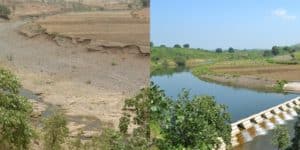
To address the inadequate supply of water in the area, an integrated watershed project built 23 new check dams and revamped six existing dams in the region. Read more
Key Takeaways
- Regular visual inspections (every 6–12 months) are the cheapest form of dam maintenance
- Early signs of piping — wet patches downstream, cloudy water, sinkholes — are emergencies requiring immediate action
- Cracks and settlement in the wall indicate consolidation or movement — get a professional opinion promptly
- Stock damage at the waterline destroys bank stability and any clay seal — fence the dam and install troughs
- A well-maintained dam that holds water reliably year-round transforms land productivity — stock water, irrigation, and fire protection all depend on it
Frequently Asked Questions
How often should I inspect my farm dam?
At minimum, a thorough visual check every 6–12 months and after every significant rainfall or flood event. Walk the full perimeter and check the downstream batter, spillway, and inlet.
What are the warning signs of a dam about to fail?
Wet or boggy patches on the downstream face, seepage with discoloured water, cracks in the wall crest, sinkholes or depressions on the wall or upstream batter. Any of these warrants urgent professional assessment.
Can I inspect my own dam or do I need a professional?
You can do routine visual checks yourself with a simple checklist. But for any defect you find — or for dams over 5 ML — a professional inspection every 5–10 years is money well spent.
What does a Big Ditch dam inspection cost?
Big Ditch carries out paid site inspections across NSW. Contact us for current pricing. For a large or complex dam, a full engineering assessment costs more but can prevent a catastrophic and expensive failure.
Need help with your own dam? Book a site inspection with Big Ditch — we build and repair dams across NSW, Queensland, and Victoria.
Practical dam advice, straight to your inbox
Get an email when Big Ditch publishes a new article about dam construction, repairs or water management.
Get dam updates
Confirm your email to subscribe. Unsubscribe at any time. Privacy Policy